

Cart
0
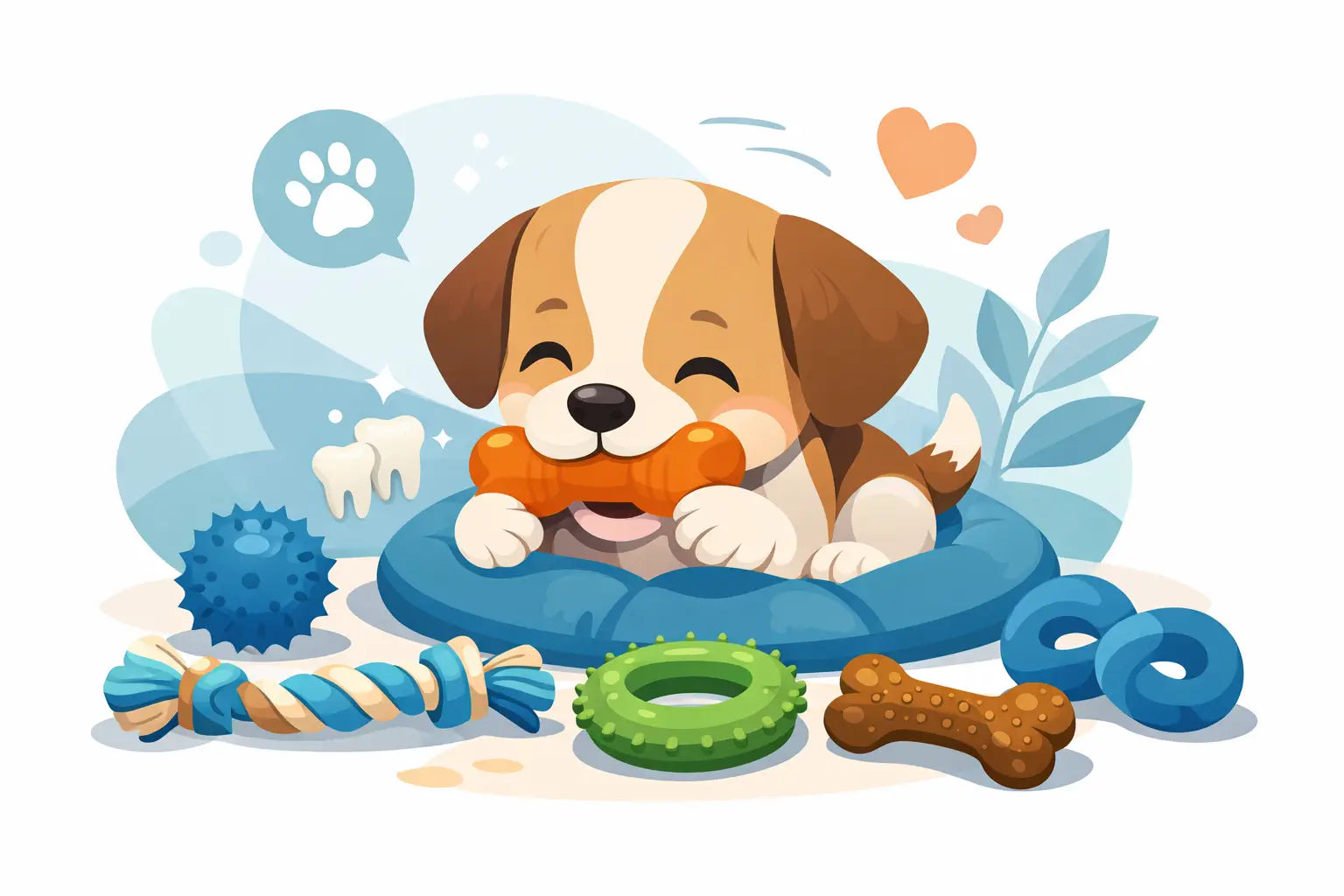
That little crunching sound from the corner of the room usually means one thing - your puppy found something to chew that was never meant to be a toy. Puppy chew toys for teething can save your shoes, table legs, and throw pillows, but more importantly, they give your pup safe relief during a stage that can be uncomfortable, messy, and surprisingly intense.
Teething puppies are not being naughty for the fun of it. They are dealing with sore gums, new teeth pushing through, and a strong urge to bite down on almost anything that feels good in their mouth. The right chew toy helps redirect that urge, keeps them engaged, and gives pet parents a much easier way to manage everyday puppy chaos.
Why teething puppies need the right chew toy
Most puppies begin teething around a few months of age, and that chewing phase can last for weeks or even months depending on the dog. During that time, you may notice more mouthing, more interest in furniture, and more determination to grab hands, socks, or anything left within reach.
A good teething toy does more than keep your puppy busy. It can help soothe tender gums, support healthy chewing habits, and offer a safer outlet than household objects. That matters because some things puppies love to chew are too hard, too sharp, or too easy to swallow.
There is a balance to aim for here. A toy that is too soft may shred quickly and create a mess or a safety risk. A toy that is too hard may be uncomfortable for sore mouths or even risky for developing teeth. That is why choosing puppy-specific options usually makes more sense than grabbing the toughest chew in the bin.
What to look for in puppy chew toys for teething
Softness matters, but so does durability. The best puppy chew toys for teething usually have a little give when pressed, while still holding their shape during regular chewing. Rubber and flexible puppy-safe materials are popular for a reason - they tend to be gentle enough for tender gums without falling apart right away.
Texture can make a big difference too. Raised ridges, nubs, grooves, and varied surfaces give puppies more to explore and can feel satisfying on irritated gums. Some toys are designed to be chilled before use, which many puppies find especially soothing. Cold can help calm inflamed gums, though it should feel cool, not rock-hard.
Size is just as important as material. A toy should be large enough that your puppy cannot swallow it, but easy enough for them to carry, mouth, and reposition on their own. Tiny toys can become hazards, while oversized toys may get ignored because they are awkward to manage.
It also helps to think about your puppy's chewing style. Some pups gently nibble. Others attack toys like they have a personal grudge. A light chewer may enjoy plush or softer rubber pieces, while a more determined chewer often needs a sturdier option made specifically for puppies with stronger jaws.
The most helpful types of teething toys
Rubber chew toys are usually the easiest place to start. They are versatile, easy to clean, and available in a wide range of shapes and firmness levels. Many can also hold treats, which turns chewing time into a longer-lasting distraction when your puppy is especially restless.
Freezable teething toys are another favorite for good reason. When used as directed, they can offer extra comfort during peak teething days. They are especially useful for puppies who seem fussy, mouthy, or eager to chew after naps and play sessions.
Rope-style toys can work for some puppies, especially during supervised play, but they are not always the best choice for heavy shredders. Once fibers start coming loose, it is time to retire them. The same goes for plush toys with seams that your puppy can rip open in minutes.
Edible chews can also have a place, but this is where trade-offs matter. They may satisfy your puppy quickly, but some are too rich, too hard, or too easy to gulp. If you choose edible options, match them to your puppy's age and size, and keep a close eye on chew sessions.
How to choose based on your puppy's age and size
A small-breed puppy teething at twelve weeks has very different needs from a large-breed puppy with a stronger bite. Smaller puppies usually do best with lightweight toys they can pick up easily. If the toy feels bulky or awkward, they may lose interest and go back to chewing the rug.
Larger puppies often need something with more structure. They still need puppy-friendly softness, but they may wear through very thin toys quickly. In that case, look for toys labeled for larger puppies rather than jumping straight to products made for adult power chewers.
Age matters because very young puppies are often still learning how to interact with toys. Simpler shapes, softer textures, and easy-to-grab designs tend to work well early on. As your puppy grows, you can add more variety and move toward longer-lasting chew options that still suit developing teeth.
Signs a chew toy is not the right fit
Sometimes the problem is not that your puppy dislikes toys. It is that the toy is wrong for their stage, size, or chewing habits. If your puppy ignores a toy completely, drops it after a few seconds, or keeps returning to household items, the toy may not be comfortable or interesting enough.
You should also watch for signs of overuse or damage. Deep cracks, missing chunks, frayed threads, and loose pieces all mean a toy should be replaced. A favorite toy is only a good toy while it is still safe.
If your puppy seems frustrated rather than soothed, try changing one variable at a time. A colder toy, a softer texture, or a different shape can make all the difference. Puppies can be surprisingly opinionated, and what works beautifully for one may get ignored by another.
How to make teething toys more appealing
Presentation matters more than many pet parents expect. If you simply drop a toy on the floor, your puppy may sniff it and walk away. But if you wiggle it, play with it together, or offer it right when your puppy starts chewing something off-limits, it becomes part of a more useful routine.
Rotation helps too. Instead of leaving every toy out all day, keep a few available and swap them regularly. That small change keeps toys feeling fresh and can renew interest without buying something new every week.
For treat-dispensing rubber toys, using a small amount of puppy-safe filling can make chewing much more rewarding. Just keep portions reasonable. The goal is comfort and engagement, not turning every chew session into a snack overload.
If your puppy loves cold relief, try chilling a teething toy before offering it after active play or during the evening when chewing tends to ramp up. This can become a comforting habit that helps your puppy settle.
Teething relief and household harmony
The real win with puppy chew toys for teething is not just gum comfort. It is the way a good toy changes the atmosphere at home. Instead of constantly saying no, pulling slippers out of your puppy's mouth, or guarding the corners of your furniture, you get to redirect with confidence.
That matters for training. Puppies learn faster when they are shown what to chew, not only what to avoid. A reliable set of teething toys supports better habits from the start and gives you more chances to praise good choices.
It can also reduce stress for the whole household. Families with kids, busy schedules, or multiple pets often need easy wins, and the right chew toys provide exactly that. They give puppies something satisfying to focus on while helping everyone else relax a little.
Building a small teething toy collection that works
One toy is rarely enough. Most puppies do best with a small mix of textures and shapes so they have options throughout the day. A soft rubber chew for casual nibbling, a chilled toy for sore-gum moments, and a sturdier interactive option for longer sessions can cover a lot of ground.
This is where variety becomes genuinely helpful, not just extra shopping. Puppies change quickly, and so do their preferences. Having a few dependable choices on hand makes it easier to meet the moment, whether your pup needs comfort, distraction, or a better outlet for those sharp little teeth.
At My Pet Your Pet Our Pet, that is exactly the kind of everyday care that makes life with pets feel more joyful and a lot less chaotic. When you choose chew toys with your puppy's comfort, size, and chewing style in mind, you are not just protecting your stuff. You are helping your pup feel safe, soothed, and right at home while they grow through one of their most mouthy stages.
A teething puppy will still test your patience now and then, but the right chew toy can turn a rough afternoon into a much easier one - and sometimes that is the kind of small victory every pet-loving home needs.

