

Cart
0
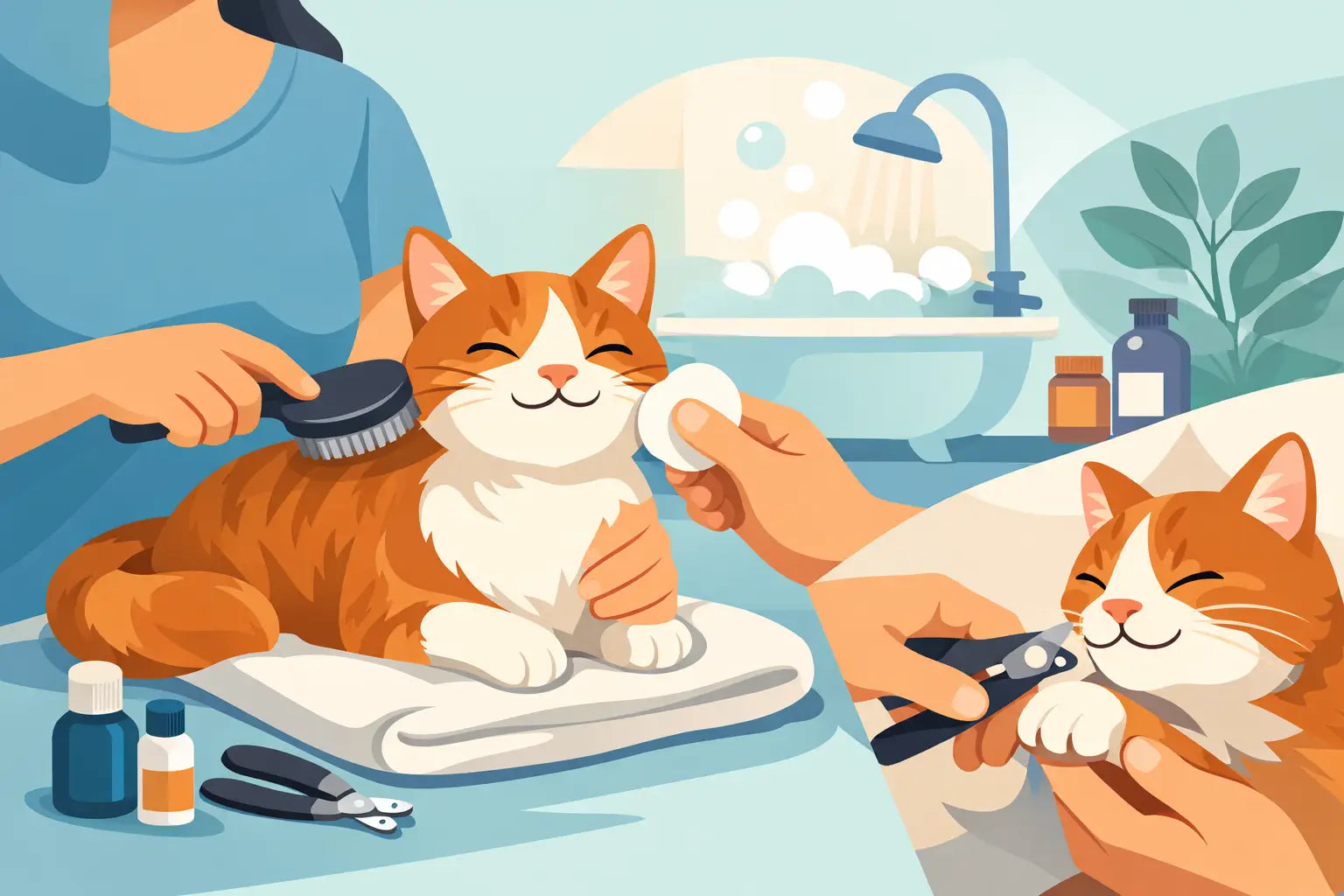
A cat who has decided grooming is suspicious can turn a simple brush into a full-body escape plan. The good news is that learning how to groom a cat does not mean wrestling your pet into submission or turning bath day into a household emergency. With the right tools, a gentle approach, and short sessions, grooming can become one more way to help your cat feel comfortable, clean, and loved.
Cats do plenty of self-grooming, but they still need help with loose fur, small tangles, nails, and the hard-to-reach spots that can cause discomfort. Regular checks also give you a chance to notice changes in their skin, coat, ears, or behavior before a minor issue becomes a bigger concern.
Set Up a Calm Grooming Space
Choose a quiet room with a stable surface, good lighting, and no tempting escape routes. A nonslip mat on a table, counter, or even the floor can help your cat feel more secure. Keep the first sessions short - five minutes is plenty when you are building trust.
The best time to groom is often after a meal, during a sleepy afternoon, or when your cat has already settled beside you. Avoid trying to groom an energetic cat who is ready to play. A few treats, a favorite toy nearby, and a calm voice go a long way. If your cat becomes tense, flicks their tail sharply, flattens their ears, or tries to leave, pause. Ending before they feel overwhelmed helps make the next session easier.
You do not need a cabinet full of supplies. A basic at-home kit should include a brush suited to your cat's coat, a fine-tooth comb, cat-safe nail clippers, a towel, and cotton pads for gentle spot cleaning. Keep every tool clean and within reach so you are not searching for supplies with a half-groomed cat in your lap.
How to Groom a Cat From Head to Tail
Start with a quick visual check. Look at the eyes, ears, coat, paws, and rear area while your cat is relaxed. You are watching for fleas, dry patches, swelling, redness, bald spots, unusual lumps, discharge, or mats. Grooming is not a replacement for veterinary care, so contact your vet if something looks painful, infected, or noticeably different.
Brush the coat gently
Brushing is the part most cats benefit from most often. It removes loose hair before it lands on furniture, helps reduce hairballs, and keeps the coat feeling soft. For short-haired cats, a rubber brush, grooming glove, or soft bristle brush is usually enough. Long-haired cats often need a slicker brush and a metal comb to reach the undercoat and prevent mats.
Begin with a few easy strokes along the back and sides, following the direction the fur grows. Let your cat sniff the brush first if they seem unsure. Praise them, offer a treat, and stop while the experience is still positive. Many cats enjoy cheek and neck brushing but dislike their belly, tail, or hind legs being handled. That is normal. Work around sensitive areas gradually instead of forcing it.
A short-haired cat may only need brushing once a week, though shedding season can call for more. Long-haired breeds and cats with dense coats may need attention every day or every other day. Senior cats, cats with arthritis, and cats carrying extra weight can struggle to groom themselves well, so their coats may need more frequent help.
If you find a small tangle, hold the fur near the skin with one hand so you do not pull, then use a comb to work gently from the outer edge inward. Never yank a mat or cut it with household scissors. Mats can pull painfully on the skin, and cat skin is thinner than it looks. Large, tight, or skin-level mats are a job for a groomer or veterinarian.
Check the ears, eyes, and face
Healthy ears are usually pale pink and mostly free of odor or debris. You can wipe the outer ear flap with a dry cotton pad or a pad lightly moistened with a vet-approved ear cleaner. Do not push cotton swabs into the ear canal. If you see dark buildup, strong odor, swelling, repeated head shaking, or frequent scratching, call your veterinarian instead of trying to clean deeply at home.
A little sleep in the corner of the eye can be wiped away with a soft, damp cotton pad. Use a fresh pad for each eye. Persistent tearing, redness, squinting, cloudiness, or thick discharge needs professional attention.
Most cats do not need their faces washed. If food or dirt is stuck in the fur, use a warm, damp cloth and take your time. Keep water away from the nose and avoid scented products that can irritate sensitive skin.
Trim nails with patience
Indoor cats still need nail trims because their claws may not wear down enough on scratching posts alone. Check them every two to four weeks. If you hear clicking on hard floors or see nails catching in blankets, it is probably time.
When your cat is calm, gently press one toe to extend the claw. You will see the clear curved tip and the pink center, called the quick. Clip only the sharp clear tip, staying well away from the pink area. Cutting the quick hurts and can bleed, so small trims are always better than one bold cut.
If your cat resists, trim one or two nails, reward them, and come back later. There is no prize for finishing all four paws in one sitting. A scratching post or cardboard scratcher can support healthy claw care between trims, but it will not always replace nail clipping.
Clean the paws and rear area when needed
Check between the toes for litter, debris, or tangled fur. A damp cloth is usually all you need for a quick paw cleanup. Long-haired cats may need occasional trimming around their paw pads or rear area to prevent litter from sticking, but this can be tricky with a wiggly cat. If you are not confident, a professional groomer is the safer choice.
For a messy rear end, use an unscented pet wipe or warm damp cloth. Be especially gentle, and never ignore repeated diarrhea, constipation, scooting, or suddenly poor hygiene. Those changes can signal a health issue rather than a grooming problem.
Do Cats Need Baths?
Most healthy cats do not need routine baths. Their natural grooming habits usually keep them clean, and frequent bathing can dry out the skin or create unnecessary stress. A bath may be useful if your cat gets into something sticky, greasy, smelly, or potentially toxic, or if your veterinarian recommends medicated shampoo.
When a bath is truly needed, prepare first. Use a sink or shallow tub with a nonslip towel, lukewarm water, cat-specific shampoo, several dry towels, and a cup for rinsing. Close the door before you begin. Wet the body slowly, avoiding the face and ears, then lather gently and rinse completely. Shampoo left behind can irritate the skin.
Keep the process quick, wrap your cat in a towel afterward, and place them somewhere warm until fully dry. Never use human shampoo, dish soap, essential oils, or strongly fragranced products. If your cat has gotten into a chemical, paint, oil, or unknown substance, call your veterinarian or a pet poison resource before bathing. Some substances can become more dangerous if they are spread through the coat or licked during cleanup.
Make Grooming a Routine Your Cat Can Trust
Consistency matters more than perfection. A weekly mini-check for short-haired cats and more frequent coat care for long-haired cats can prevent most grooming troubles. Keep sessions predictable: the same spot, familiar tools, gentle handling, and a reward at the end. Over time, your cat may begin to recognize the brush as a signal for attention rather than trouble.
It also helps to match your tools to your cat instead of buying the fanciest option on the shelf. A soft grooming glove may be ideal for a brush-shy short-haired cat, while a wide-tooth comb can make daily care much easier for a fluffy coat. At My Pet Your Pet Our Pet, the goal is simple: everyday care should feel more manageable for you and more comfortable for the pet you love.
If grooming suddenly becomes difficult for a cat who once tolerated it, do not assume they are being stubborn. Pain from arthritis, dental disease, skin irritation, or another underlying issue can change how they respond to touch. A little patience, a few treats, and a gentle brush can be wonderful care - and knowing when to ask your vet for help is just as loving.

