

Cart
0
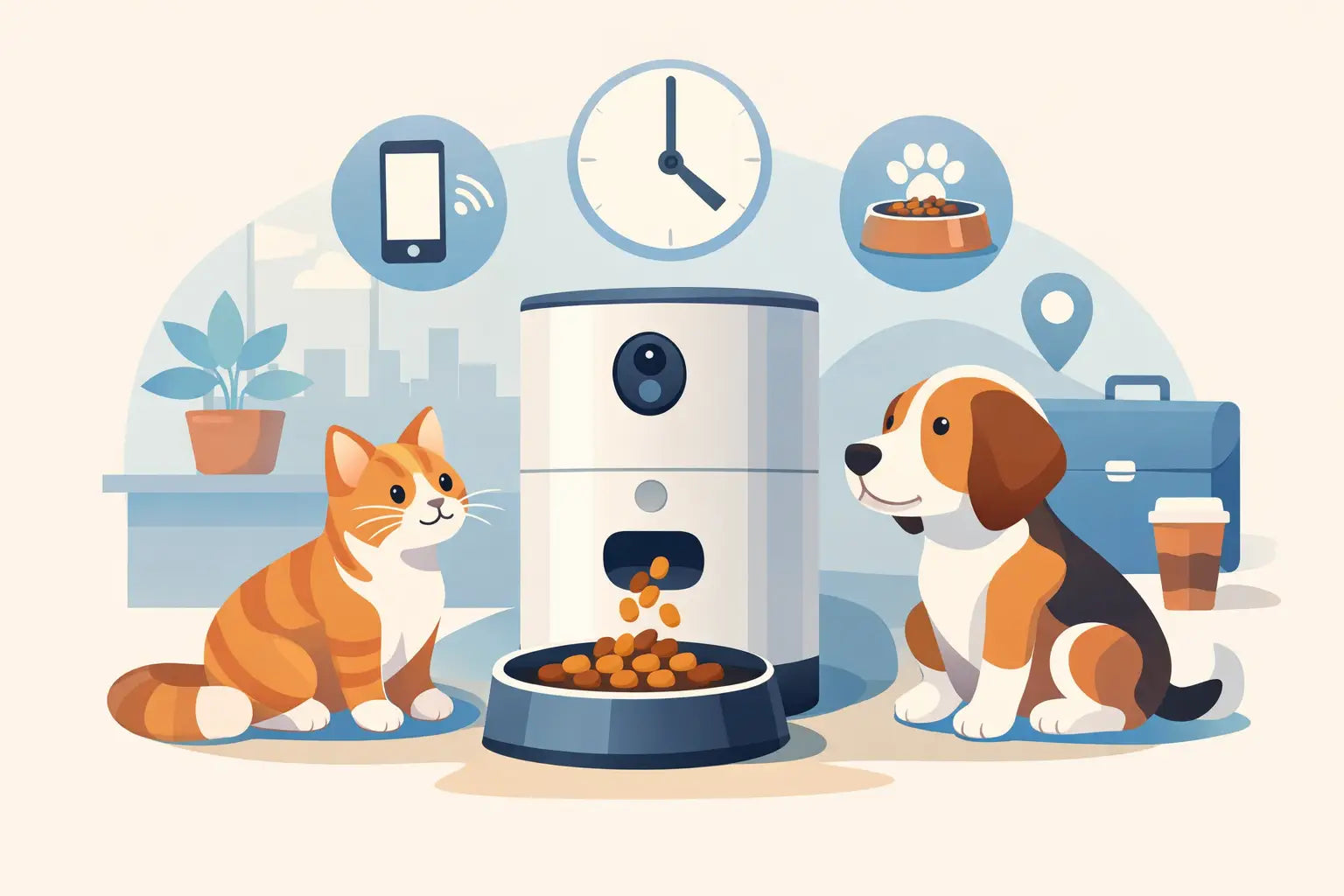
The breakfast stare is real. Whether your cat starts singing at 5 a.m. or your dog recognizes the sound of a scoop from across the house, mealtime can quickly become the most closely watched part of the day. This automatic pet feeder review is for pet parents who want dependable routines without making every meal a race against the clock.
Automatic feeders can make life easier, especially for early meetings, school drop-offs, errands, or households where everyone seems to be moving at once. But the best choice is not always the feeder with the biggest screen or the most settings. It is the one that fits your pet’s food, appetite, schedule, and your own peace of mind.
What an Automatic Pet Feeder Actually Helps With
A good automatic feeder releases a measured amount of dry food at selected times. That sounds simple, but it can make a meaningful difference for pets who do best with a steady routine. Cats that wake the household for breakfast may learn that food comes from the feeder, not from tapping your face. Dogs who gulp a full bowl can receive smaller, scheduled servings instead.
For busy pet parents, the biggest benefit is consistency. You can keep breakfast and dinner on schedule even when traffic is slow or a workday runs long. It is also useful when different family members share feeding duties. Everyone can see the plan, and your pet is less likely to receive an accidental second dinner.
A feeder is not a replacement for daily care. Fresh water, bathroom breaks, exercise, play, medication, and a quick check on your pet’s behavior still need a real person. Think of it as a helpful feeding assistant, not a pet sitter.
Automatic Pet Feeder Review: Features Worth Comparing
The right feeder depends on your household, but a few features matter more than flashy extras.
Portion settings should match your pet’s needs
Portion control is often the first reason people shop for an automatic feeder. Look closely at how the machine defines one portion. Some feeders dispense very small increments, while others release larger amounts that may not suit a small cat or toy-breed dog.
If your pet is on a veterinarian-guided weight plan, precision matters. Measure a test portion in a standard measuring cup or on a kitchen scale before relying on the feeder for every meal. Kibble size can affect how much food comes out, so the setting that works for one recipe may need adjustment when you switch foods.
Scheduling should be easy, not fussy
Most households do well with two to four meals per day. A simple control panel can be better than an app packed with settings you never use. If you like managing household devices from your phone, a Wi-Fi feeder can be convenient, especially for checking or adjusting a schedule while away.
Still, app control is not essential for every pet parent. A reliable programmable feeder with clear buttons may be the better value if your schedule rarely changes. Choose the setup you will actually feel comfortable using after the first week.
Capacity needs a practical reality check
Large-capacity feeders are appealing, but more food in the hopper is not always better. Dry food can lose freshness over time, particularly in warm or humid spaces. A smaller hopper that you refill weekly may be a smarter fit for one cat, while a multi-pet dog household may appreciate extra storage.
Consider where the feeder will live, too. It should sit on a level surface away from splashing water, direct sun, and areas where a determined pet can knock it over. For eager eaters, a sturdy, wide-based design is worth prioritizing.
Power backup protects the routine
A feeder that only works while plugged in can be fine until a storm or outlet mishap interrupts dinner. Battery backup is one of the most practical features to look for. It helps preserve the feeding schedule during a power outage and provides extra confidence when you are out of the house.
Before buying, check whether batteries are included, how long they typically last, and whether the feeder alerts you when power is low. A reminder is much better than discovering the problem after your pet has missed a meal.
Food compatibility prevents jams
Most automatic feeders are designed for dry kibble. They may not work with wet food, homemade meals, very large pieces, or unusually shaped kibble. Check the recommended kibble size before choosing a model. A dispenser that jams can leave food stuck in the hopper while your hungry pet waits below.
For wet-food eaters, look for a tray-style feeder with covered compartments and, if needed, ice packs to help keep portions cooler. These models typically hold fewer meals and require more frequent cleaning, but they can suit cats and dogs who do not eat dry food.
The Trade-Offs Pet Parents Should Know
Automatic feeders are convenient, but they are not one-size-fits-all. Food-motivated pets can be surprisingly creative around a dispenser. Some paw at the chute, tip the unit, or learn that making noise earns attention. If your pet is a determined snack hunter, choose a secure lid and a sturdy base, then supervise during the first few days.
Multi-pet homes can be trickier. One confident pet may eat both portions before the other gets close. In that case, feeding in separate rooms can help. Microchip-activated feeders are another option for households where one cat needs a special diet or tends to steal meals, though they usually cost more than basic timed feeders.
A feeder may also be a poor fit for pets with medical conditions that require close monitoring of appetite. A sudden change in eating can be an important health clue. If your pet has diabetes, a prescribed feeding plan, frequent digestive issues, or a history of food guarding, ask your veterinarian how an automatic feeder could fit into their care.
How to Introduce a New Feeder Without Stress
Do not wait until the morning you need to leave early to set it up. Place the feeder near your pet’s usual dining area, with the machine turned off at first. Let them sniff it, inspect it, and understand that it is not something to fear.
For the first few meals, dispense food while you are nearby. The sound can surprise sensitive pets, but most quickly connect it with something wonderful: dinner. If your pet seems uneasy, start with the feeder beside their regular bowl and move their meals over gradually.
It is also wise to test the schedule before trusting it overnight or during a long day away. Set a small test portion, watch it dispense, and confirm that the amount looks right. Check that the lid closes securely and that your pet cannot easily reach food inside the storage compartment.
Cleaning Is Part of Reliable Feeding
A feeder handles food every day, so it needs regular care. Crumbs, oils, and dust can build up in the bowl and chute. Follow the manufacturer’s instructions for taking it apart, and clean food-contact pieces on the recommended schedule. Make sure every part is completely dry before refilling to help prevent clumping.
Keep an eye on the food level rather than assuming the hopper is full. Many feeders have low-food alerts, but a visual check remains a caring habit. It takes seconds and helps you spot stale food, a jam, or a curious pet who has tried to break into the stash.
At My Pet Your Pet Our Pet, we love practical essentials that make everyday care feel a little lighter. An automatic feeder can be one of those small changes that helps your pet’s routine stay steady while your household keeps moving.
A Quick Buying Checklist
Before adding a feeder to your cart, make sure it answers these everyday questions:
- Does it work with your pet’s usual food size and type?
- Can it dispense portions that align with your feeding plan?
- Is the schedule simple enough for everyone in the household to use?
- Does it have battery backup or another plan for a power interruption?
- Is the bowl easy to remove and clean?
- Will its capacity keep food reasonably fresh for your pet?
Choose with your pet’s real routine in mind, give the feeder a few supervised test meals, and keep mealtime full of the comfort they count on. A reliable dinner schedule is a small act of love, but your pet will notice every day.

