

Cart
0
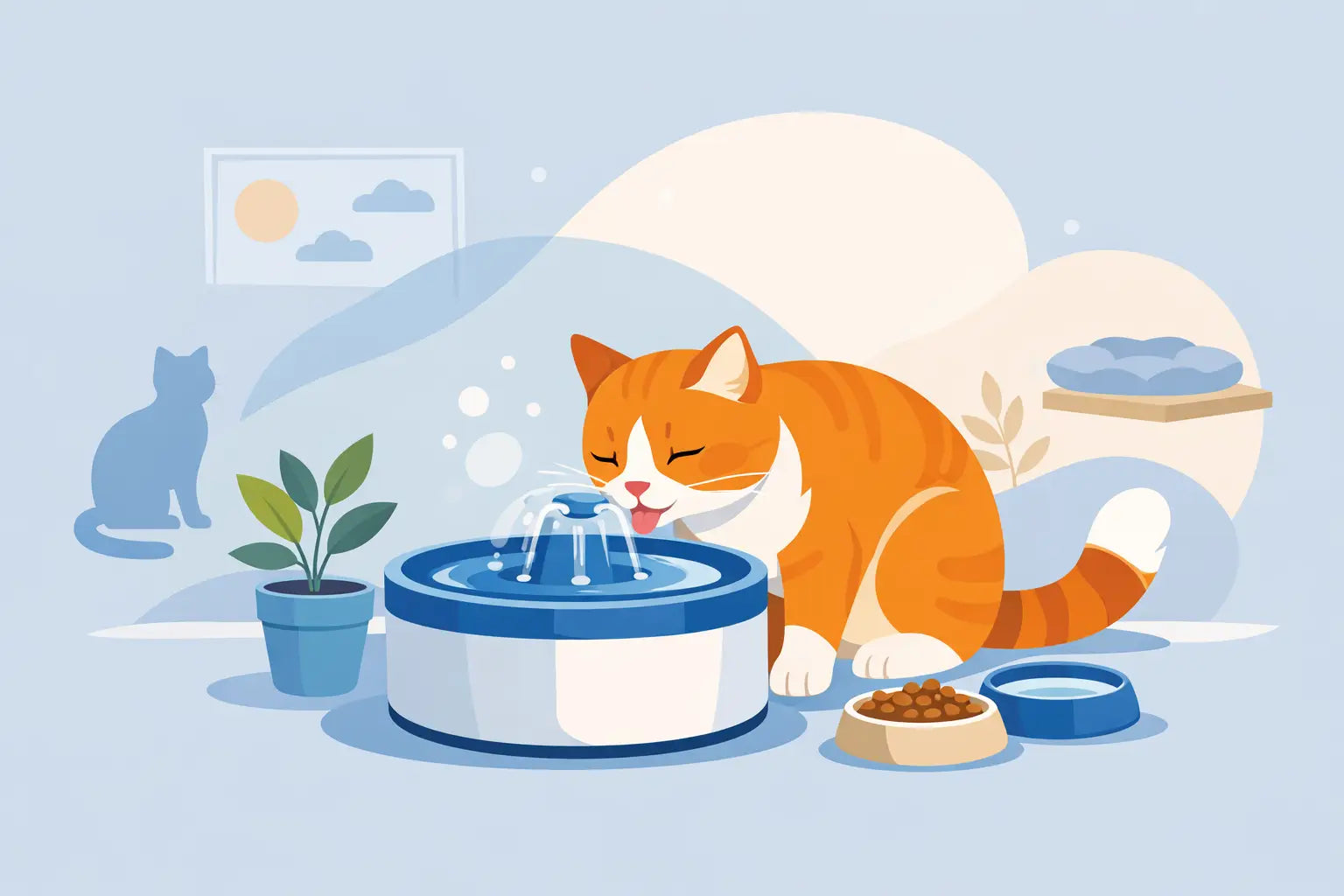
A cat who ignores a full water bowl can leave even the most loving pet parent wondering, “Are they drinking enough?” That is where the real cat water fountain benefits can make a difference. Moving water catches many cats’ attention, giving them a more inviting place to sip throughout the day while adding a little extra comfort and enrichment to their routine.
For every pet, with love, hydration is one of those everyday details that deserves care. A water fountain is not a magic fix for every drinking concern, but for many households, it is a simple feeding accessory that helps make fresh water more appealing and easier to manage.
Why Cats Often Prefer Moving Water
Cats are individuals. Some happily drink from a classic bowl, while others seem far more interested in a dripping faucet, a running shower, or the water glass you left on the nightstand. That curiosity has a practical side: moving water can look and sound fresher than still water.
A fountain creates a gentle stream or bubbling flow that can encourage a cat to investigate and return for another drink. For cats that are picky about water, that added interest may be enough to support more consistent sipping. It also gives indoor cats a small, calming point of activity in their day, especially when it is placed away from a busy feeding area.
The key word is “may.” A fountain can encourage drinking, but each cat has preferences. Some love a soft trickle, while others dislike a stronger stream or the quiet hum of a pump. Giving your cat time to adjust is part of choosing the right setup.
Cat Water Fountain Benefits That Matter Every Day
The biggest benefit is simple: a fountain can make water more tempting. Cats tend to drink in small amounts, and a pet fountain creates regular visual and sound cues that remind them water is nearby. This can be particularly helpful for cats eating mostly dry food, since they get less moisture from meals than cats on wet-food diets.
Many fountains also circulate water through a filter. Depending on the model, that filter can help catch hair, crumbs, and small bits of debris before they settle in the drinking area. Circulation may also keep water tasting and smelling more appealing between refills. It does not replace cleaning, but it can make the bowl feel fresher for your cat.
There is a convenience benefit for pet parents, too. A larger fountain reservoir often holds more water than a standard bowl, so you may refill it less often. That can be especially welcome in multi-cat homes or during packed weekdays. You still need to check the water level every day, but there is more breathing room than with a small dish that seems empty the moment you turn around.
A fountain can also reduce the little messes that come with enthusiastic drinkers. Some cats paw at standing water, splash the surface, or tip lightweight bowls. A well-designed fountain with a stable base can help contain the action, though a waterproof mat underneath is still a smart choice for protecting floors.
Hydration Support Without the Guesswork
Water supports normal body functions, including digestion and temperature regulation. Because cats can be subtle about changes in their habits, making fresh water easy to find is a caring part of everyday wellness.
That said, a fountain should never be used to brush off a sudden change in drinking. If your cat is drinking dramatically more or less than usual, seems uncomfortable, is vomiting, has changes in litter box habits, or appears tired and withdrawn, contact your veterinarian. A fountain is a helpful routine accessory, not a medical tool.
The best hydration setup is often a combination of choices. A fountain can be the main water station, while one or two clean bowls in quiet areas give your cat options. This is useful in larger homes, homes with more than one floor, and households with multiple pets. Some cats also prefer their water away from food, because strong food smells can make the water less appealing.
Choosing a Fountain Your Cat Will Actually Use
The best cat fountain is not always the biggest one or the one with the most features. Think about your cat’s habits first. Does your cat prefer drinking from the edge of a bowl, lapping from a shallow pool, or chasing a thin stream? A shy cat may like a low, quiet fountain, while a curious cat may enjoy a visible bubbling flow.
Material matters, too. Stainless steel and ceramic fountains are popular choices for pet parents who want a smooth, easy-to-clean surface and a little more weight at the base. Plastic fountains are often lightweight and budget-friendly, but they should be cleaned carefully and inspected for scratches or wear. Whatever material you choose, look for a design with parts that are easy to take apart. A fountain only helps if it is simple enough to keep clean.
Noise is another practical consideration. Many pumps are designed to run quietly, but the sound can change when the water level gets low. If your cat is sensitive to noise, choose a quieter model and keep it topped up. Place it on a stable, level surface where the pump will not vibrate against a wall or cabinet.
For a home with dogs and cats, location can matter as much as the fountain itself. A cat may avoid a water station if a playful dog passes by, a child frequently runs through the kitchen, or another cat guards the area. Give your feline friend a calm spot where drinking feels safe.
A Clean Fountain Is a Better Fountain
Filters help, but they are not a substitute for regular care. Hair, saliva, minerals, and food particles can collect inside the pump, around the spout, and along the basin. When a fountain is neglected, the very feature meant to make water more inviting can become less appealing.
A simple routine keeps things easy. Refresh the water as needed, rinse the visible surfaces frequently, and follow the manufacturer’s instructions for a full cleaning and filter replacement. In homes with several pets, heavy shedding, or hard water, you may need to clean more often.
Pay special attention to the pump. It is usually the part that collects the most hidden buildup, and it can become noisy or stop circulating properly when it is dirty. Before cleaning, unplug the unit. Take it apart, rinse each removable piece, and use a small brush to reach corners and pump openings. Let every part dry as directed before putting it back together.
If your cat suddenly stops using the fountain, start with the basics. Clean it thoroughly, add fresh water, check that the pump is working, and make sure the water level is not too low. Then consider whether anything else has changed, such as a new location, a new pet, a louder household routine, or a different cleaning product scent.
Helping Your Cat Make the Switch
Some cats will investigate a new fountain within minutes. Others need a gentler introduction. Start by setting the fountain near your cat’s usual water bowl, then run it on its quietest setting if it has options. Keep the familiar bowl available at first so your cat never feels pressured.
You can also let your cat explore the fountain while it is turned off, then introduce the flowing water later. Avoid picking your cat up and placing them at the fountain or trying to coax them with repeated attention. Curiosity works better when it is on their terms.
If your cat prefers still water, that is perfectly fine. Keep offering clean bowls and focus on what supports their normal drinking habits. The goal is not to make every cat love a fountain. The goal is to give them a comfortable, dependable way to drink.
Is a Cat Water Fountain Worth It?
For many pet parents, yes. A fountain can make hydration feel more appealing to cats, hold more water than a standard bowl, and bring a fresher feel to an everyday essential. It can also add one more thoughtful touch to a home built around your pet’s comfort.
Still, it depends on your cat and your routine. If you want low maintenance, choose a fountain with few parts and easy cleaning access. If your cat is noise-sensitive, prioritize a quiet pump. If you have multiple pets, look for a larger capacity and a sturdy design. Affordable options can work beautifully when they fit your household and receive regular care.
A water fountain is a small upgrade, but the daily ritual behind it is a meaningful one: fresh water, a peaceful place to drink, and a little reminder that your pet’s comfort belongs in the everyday moments, too.

