

Cart
0
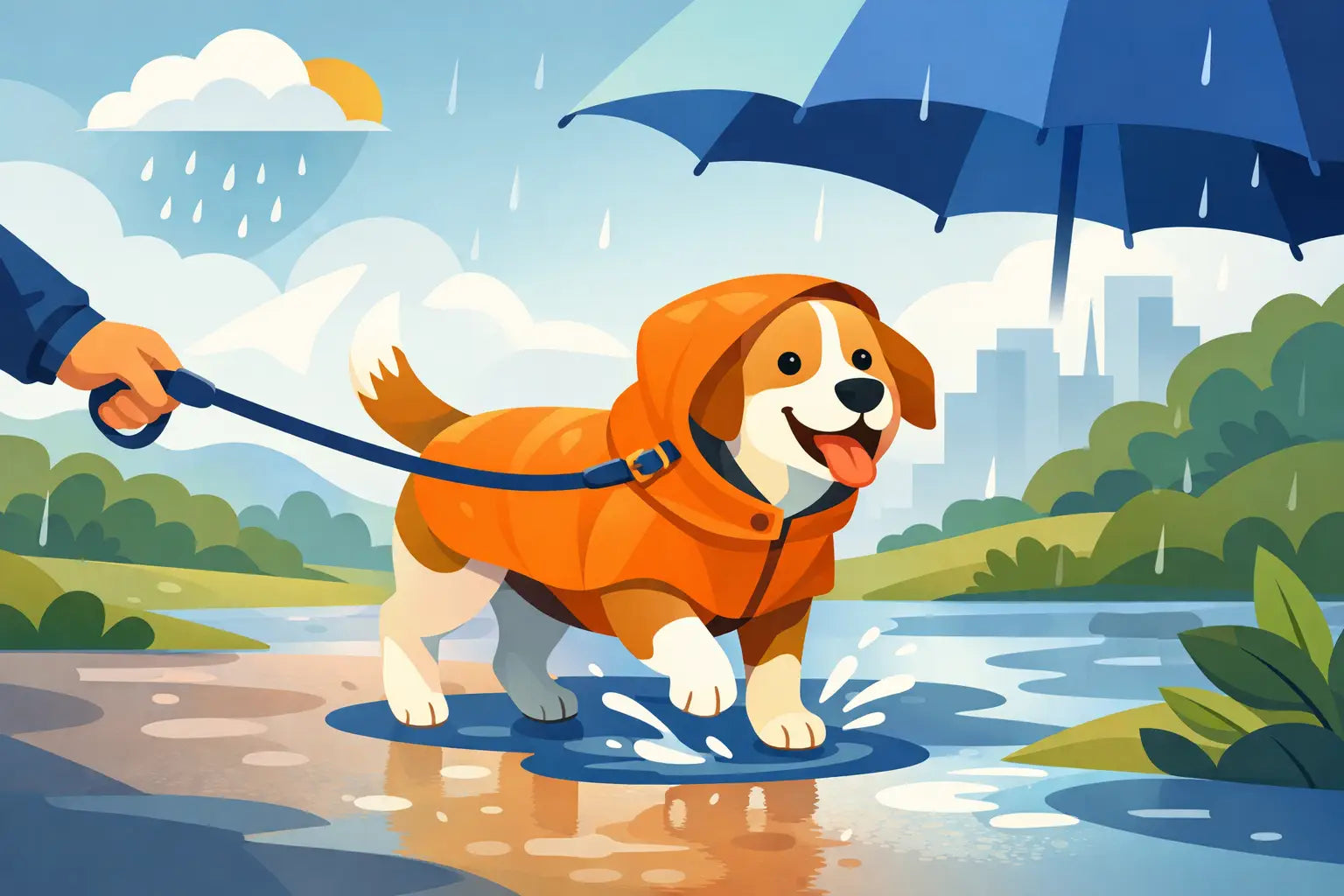
The first shake starts before you even get back to the door. If your pup loves walks no matter the forecast, finding the best dog rain coat can mean fewer soggy messes, less post-walk cleanup, and a much happier outing for both of you.
Some dogs do not care about rain at all. Others take one step onto a wet sidewalk and act personally offended. A good rain coat helps in both cases, but not every coat works for every dog. The right choice depends on your dog’s size, coat type, energy level, and how you actually use it - a quick potty break needs something different than a long neighborhood walk in steady rain.
What makes the best dog rain coat?
The best dog rain coat keeps water off without making your dog feel stiff, hot, or bothered. That balance matters more than people think. A coat can be technically waterproof, but if it rubs under the legs, slides sideways, or traps too much heat, your dog will let you know fast.
Fit comes first. A rain coat should cover the back from shoulders toward the tail without blocking movement. The chest area should stay secure but not tight, and the neck should sit comfortably without chafing. If your dog freezes, flops over, or starts walking like a tiny robot, the fit is wrong or the material is too restrictive.
Coverage is next. Some dogs only need light back coverage for drizzly walks. Others benefit from extended chest panels, belly coverage, or a hood-like collar that helps shield the neck. Short-haired dogs, senior dogs, and smaller breeds often appreciate more coverage, especially when the weather is cold as well as wet.
Then there is the fabric. Water-resistant material can work for light rain or quick trips outside. For regular wet-weather walks, waterproof fabric with sealed seams does a better job. Breathability matters too. If the inside gets clammy after ten minutes, your dog may end up damp anyway.
Best dog rain coat features worth shopping for
When you are comparing options, look past the cute prints first. Style is fun, but comfort and function are what turn a coat into a favorite.
Adjustable closures matter more than you think
Velcro is quick and easy, which makes it popular for dogs who do not enjoy getting dressed. Buckles can feel more secure, especially on active dogs. Adjustable straps around the chest and belly help create a better fit, which is especially useful if your dog is between sizes or has a deep chest.
A little flexibility goes a long way. Dogs are not built to one standard shape, and a coat with some adjustment is easier to live with than one that only fits perfectly when your dog is standing still in the living room.
Leash access should match your setup
Some rain coats are designed for collar attachment, while others include a harness opening on the back. This is an easy detail to miss until walk time. If your dog wears a harness every day, a harness-friendly opening makes life much simpler.
It is also worth checking where the opening sits. If it does not line up well with your dog’s gear, the coat may bunch or pull during walks.
Reflective details add everyday safety
Rainy walks often mean gray skies, lower visibility, and drivers who are watching the road through a wet windshield. Reflective trim, strips, or accents help your dog stand out in dim conditions. It is a practical feature that feels small until you really need it.
Lightweight lining keeps things comfortable
A rain coat is not the same as a winter coat. If your climate is mild, a lightweight lining may be all your dog needs. If your area gets cold rain, a slightly warmer interior can help, especially for short-haired pups or smaller dogs.
Too much insulation can be a problem, though. Dogs that run warm, have thick coats, or stay active on walks may do better in a lighter shell.
How to choose the best dog rain coat for your dog
This is where shopping gets easier. Instead of asking which coat is best overall, ask which one fits your dog’s routine.
A small dog close to the ground deals with more splashback and puddle contact than a taller dog. That usually means more chest and belly coverage is helpful. A large athletic dog may care less about full coverage and more about freedom of movement. A fluffy dog may not need warmth, but can still benefit from a waterproof outer layer that keeps their coat from turning into a damp sponge.
Personality matters too. Some dogs tolerate clothing right away. Others need the simplest possible design with minimal fuss. If your dog dislikes having things pulled over the head or adjusted around the legs, choose a rain coat that wraps on and off quickly.
Think about your local weather honestly. If rain usually means a short dash outside and back in, a simple, lightweight coat is probably enough. If you walk daily through windy rain, colder temperatures, or messy sidewalks, stronger waterproofing and better coverage are worth it.
Sizing tips that save time and returns
A dog rain coat that looks perfect online can disappoint quickly if the size is off. Measuring before you shop makes the whole process easier.
Start with your dog’s back length, from the base of the neck to the base of the tail. Then measure the chest at its widest point and the neck where a collar naturally sits. Compare all three measurements, not just weight or breed suggestions. Two dogs of the same breed can wear very different sizes.
If your dog falls between sizes, the better choice depends on the design. For coats with lots of adjustability, sizing up can work. For more structured styles, too much extra fabric may shift around or trip up your dog. Always prioritize chest fit and shoulder movement over getting the longest possible back coverage.
Common mistakes when buying a rain coat
One of the biggest mistakes is choosing based only on appearance. Yes, a bright yellow slicker is adorable. But if it gaps at the neck or leaves the chest fully exposed, it may not do much in real weather.
Another common mistake is buying too heavy a coat for rainy days that are not actually cold. Dogs can overheat, especially on brisk walks. A lighter waterproof shell often makes more sense than a thick coat unless temperatures are truly low.
It is also easy to overestimate how much gear your dog will tolerate. If your pup already dislikes sweaters, a simple rain coat with easy closures will likely get more use than a more elaborate design with extra panels and complicated straps.
Helping your dog get used to a rain coat
Even the best dog rain coat can take a little adjustment if your dog has never worn one before. Start indoors. Let your dog sniff it, then put it on for a minute or two with praise and a treat. Keep the first few sessions short and upbeat.
Once your dog seems comfortable, try a dry outdoor walk before introducing actual rain. That helps separate the feeling of wearing the coat from the distraction of wet weather. Most dogs settle in quickly when the coat fits well and does not limit movement.
If your dog seems uncomfortable, do not force it. Check for rubbing near the front legs, tightness around the chest, or excess fabric bunching near the tail. Sometimes the issue is not clothing itself - it is just the wrong style.
When a dog rain coat is especially useful
Not every dog needs a rain coat every time it drizzles. But there are situations where one really earns its place by the door.
Short-haired dogs often benefit because they get cold and wet fast. Senior dogs may appreciate staying warmer and drier on stiff, rainy mornings. Dogs with long or thick coats can be harder to towel off after walks, so a rain coat helps cut down on soaked fur and cleanup time. City dogs walking on slushy sidewalks or through constant drizzle also tend to benefit more than dogs who just pop into a backyard for a minute.
There is also the convenience factor, which pet parents know is very real. A good coat means less mud splatter on the chest, less water tracked through the house, and less time spent drying off a wiggly dog who would rather be doing anything else.
Shopping for the best dog rain coat with confidence
If you are choosing for everyday use, start with the basics: water protection, easy fit, leash access, and comfort in motion. From there, think about the details that suit your dog best, whether that is extra coverage, reflective trim, or a lighter feel for active walks.
At My Pet Your Pet Our Pet, the goal is simple - helping pet families find everyday essentials that make life a little easier and a lot more comfortable for the pets they love. A rain coat may seem like a small thing, but on wet mornings, it can make the difference between a stressful walk and one that still feels fun.
The best pick is not the fanciest one or the one with the most features. It is the coat your dog can move in, stay dry in, and wear without a fuss, so when the clouds roll in, you are both still ready to head out.

