

Cart
0
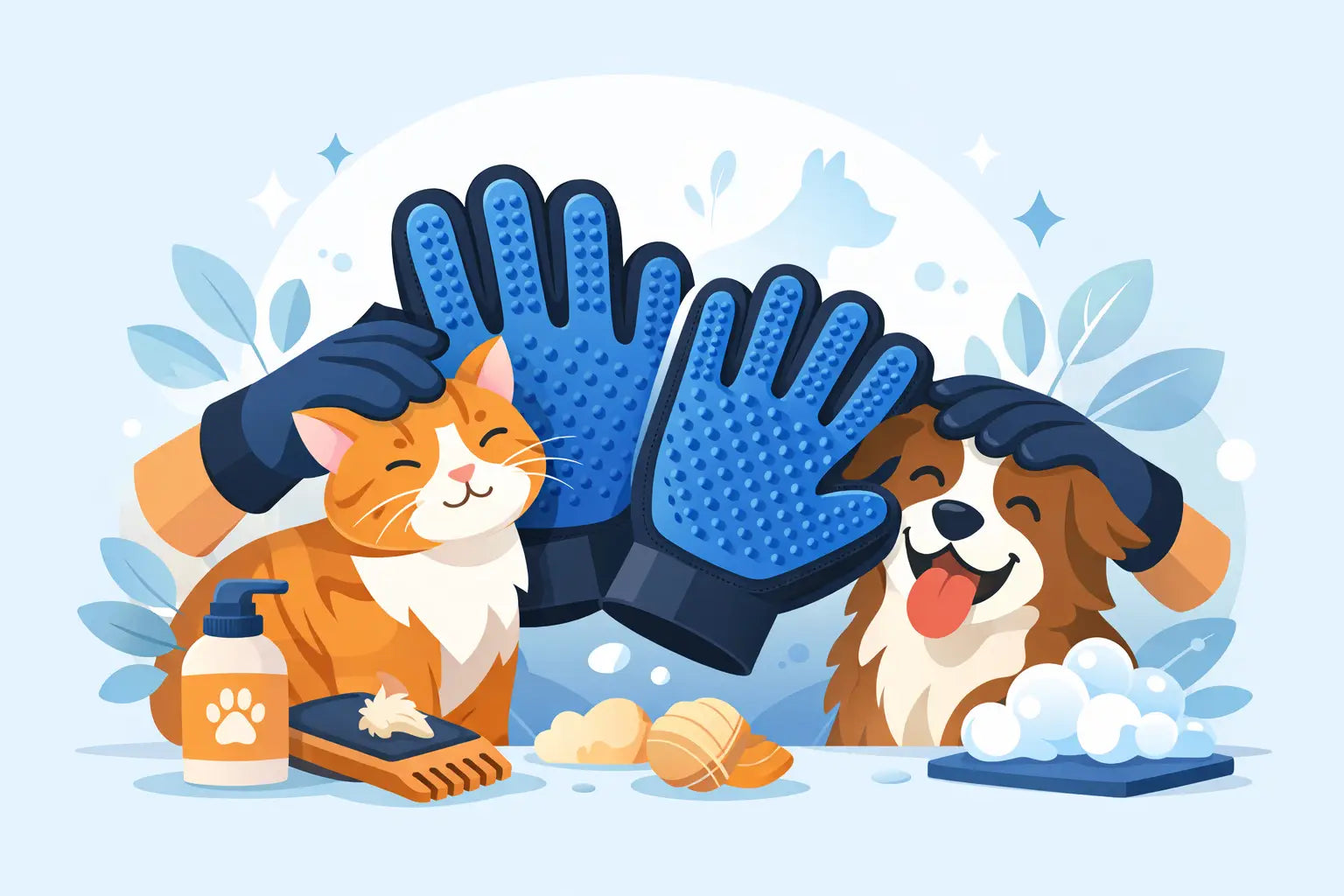
A brush can make some pets disappear under the couch. A grooming glove feels more like the affection they already love. The best pet grooming gloves turn everyday petting into a simple way to lift loose fur, smooth the coat, and share a few calm minutes with your cat or dog.
For busy pet parents, that matters. A little regular grooming can mean less fur on the sofa, fewer tumbleweeds under the table, and more opportunities to spot dry skin, little tangles, or debris caught in the coat. The right glove is not a replacement for every grooming tool, but it can become one of the easiest essentials in your pet-care routine.
What Makes the Best Pet Grooming Gloves?
The best choice is the one your pet will happily tolerate and you will actually use. Start with the palm. Most grooming gloves use soft silicone or rubber nubs that catch loose hair while gently massaging the skin. Flexible, rounded nubs are usually a smart starting point for short-haired cats and dogs, sensitive pets, and animals who are new to grooming.
A glove with a secure adjustable wrist strap is worth looking for. If it slides around your hand, you will lose the gentle, even contact that makes glove grooming comfortable. A close fit also helps you reach behind the ears, around the chest, and down the legs without awkward handling.
Consider whether you need one glove or a pair. A single glove is plenty for quick sessions and lets your free hand offer treats or reassurance. A pair can make grooming a larger dog faster, especially during seasonal shedding. Neither option is automatically better. It depends on your pet's size, coat, and patience level.
Easy cleanup is another small feature with a big payoff. Fur that gathers into a peel-away sheet is much easier to remove than fur that clings between stiff bristles. If cleanup feels frustrating, a helpful grooming habit can quickly become a drawer-dweller.
Match the Glove to Your Pet's Coat
Grooming gloves work best on loose surface hair. They are especially handy for pets with short, smooth, or medium coats, where the nubs can glide over the fur and collect what is ready to shed. Think of them as a gentle daily maintenance tool, not a heavy-duty fix for every coat concern.
Short-haired cats and dogs
For a sleek-coated cat, beagle, pug, Labrador, or similar pet, a soft grooming glove can be wonderfully practical. Use long strokes from the neck toward the tail, following the direction of hair growth. The experience often feels like regular petting, which is why many wary pets accept it more easily than a traditional brush.
Short coats may still shed a surprising amount, especially in spring and fall. A few minutes two or three times a week can help catch fur before it settles into favorite blankets and car seats.
Medium and double coats
Medium-coated pets and double-coated breeds can benefit from gloves during light shedding or between fuller grooming sessions. The glove can lift topcoat fur and help spread natural oils for a smoother look. However, it may not reach enough undercoat during a major seasonal shed.
For a fluffy dog or cat with a thick undercoat, pair glove grooming with a tool designed for deeper de-shedding when needed. Keep the pressure light. Pulling hard at packed fur is uncomfortable and can make your pet dislike grooming altogether.
Long, curly, or tangled coats
A grooming glove is lovely for bonding and finishing touches on long-haired pets, but it will not safely work through mats. Long coats often need regular combing to prevent tangles from tightening near the skin. Curly coats may also need a comb or slicker-style brush that can reach through the curls.
If you find a mat, do not tug at it with the glove. Hold the fur near the skin and work very gently with the right detangling tool, or ask a professional groomer for help if the mat is tight, large, or close to sensitive areas.
How to Use Pet Grooming Gloves Without Stress
The secret to a good grooming session is not speed. It is teaching your pet that the glove is safe, familiar, and followed by something nice. Let your cat or dog sniff it first. Put it on, offer a calm hello, and begin with the places they already enjoy being petted, such as the shoulders, back, or chest.
Use slow strokes in the direction the fur grows. Start with one or two minutes, then stop while your pet is still relaxed. A favorite treat, gentle praise, or a quick play session afterward can help create a positive association.
Avoid the face, eyes, inside of the ears, genitals, and any sore or irritated area. Be especially gentle over bony spots, such as hips and elbows. If your pet flinches, turns away repeatedly, growls, swats, or tries to leave, take a break. Grooming should support comfort, not become a contest.
Cats often prefer shorter sessions than dogs. Try a minute of grooming after a nap or while they are settled beside you. Dogs may enjoy a longer session after a walk, when they have worked out extra energy. Every pet has a different comfort zone, and yours, mine, and ours all deserve to be respected.
The Places Pet Parents Often Miss
Most loose fur collects along the back and sides because those are the easiest places to reach. A grooming glove makes it simple to give attention to the spots that can get overlooked. Gently sweep under the collar area, along the chest, over the shoulders, and around the base of the tail if your pet enjoys it.
For dogs, the belly and legs can pick up dust, grass, and loose fur after outdoor time. For cats, a few soft passes around the neck and upper back can be especially satisfying. Always watch body language. A relaxed tail, soft eyes, leaning into your hand, or a contented purr are good signs. Stiffness and quick head turns mean it is time to ease off.
Cleaning and Replacing Your Grooming Glove
After each session, remove the collected fur and toss it in the trash. If the glove is washable, rinse it with warm water and mild soap, then let it dry completely before storing it. Clean nubs work better and prevent oils or dirt from building up on the surface.
Check the glove every so often for cracked silicone, loose seams, rough edges, or a worn-out wrist strap. A damaged glove can snag fur or feel scratchy against the skin. Replacing a tired grooming tool is a simple way to keep care sessions gentle.
It also helps to keep the glove somewhere visible. Leave it near the pet bed, by the leash, or with your other care essentials. When a tool is easy to grab, a two-minute grooming moment becomes part of real life instead of another task on the list.
A Small Ritual That Makes Home Feel Better
Pet grooming is not only about managing hair. It is a chance to check in with your companion and give them attention that feels calm and personal. You may notice a new bump, a patch of dryness, or a tiny burr before it turns into a bigger problem. More often, you will simply have a cleaner coat, a happier pet, and a little less fur following you around the house.
At My Pet Your Pet Our Pet, we believe everyday care should feel easy, loving, and within reach. Choose a grooming glove that fits your hand, suits your pet's coat, and makes them lean into every gentle stroke. That is the kind of pet essential both of you can feel good about.

