

Cart
0
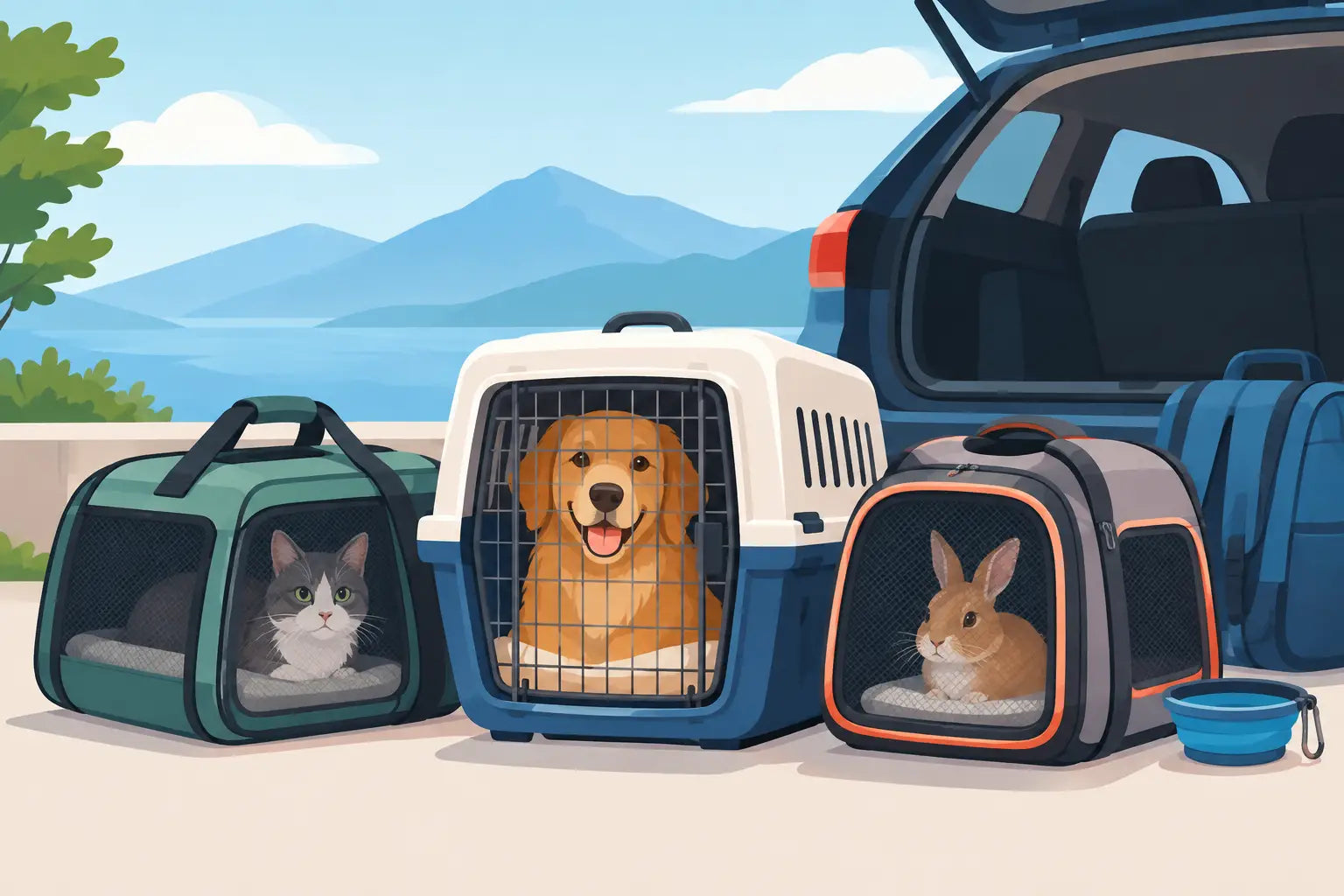
The best pet travel carriers do more than get your cat or dog from point A to point B. They give your favorite passenger a familiar, protected little space when the car is moving, the waiting room is busy, or a new place feels strange. The right choice can mean less scrambling, less stress, and a much happier trip for both of you.
Whether you are headed to the vet, visiting family, taking a weekend road trip, or preparing for a flight, the carrier should fit your pet's body, temperament, and travel plans. A cute design is a bonus. Secure closures, good airflow, and a comfortable fit are the features that truly earn a place in your everyday pet essentials.
What Makes a Pet Carrier a Good Choice?
A carrier should feel safe, not cramped. Your pet needs enough room to stand up, turn around, and lie down in a natural position. More space is not always better, though. A carrier that is too large can let a pet slide or lose balance during a car ride. For most cats and small dogs, a cozy, correctly sized carrier feels more reassuring than a wide-open one.
Start by measuring your pet while standing. Measure from the tip of the nose to the base of the tail, then from the floor to the top of the ears or head. Compare those measurements with the product's interior dimensions, not only its exterior size. If your pet is still growing, consider their expected adult size before choosing.
Safety matters just as much as comfort. Look for reliable zippers or latches, sturdy handles, breathable mesh or vent openings, and a solid base that will not sag under your pet's weight. A washable liner is a thoughtful extra for muddy paws, shed fur, and the occasional travel mishap.
Best Pet Travel Carriers by Trip Type
There is no single carrier that works perfectly for every pet and every outing. The best style depends on how you travel, how long you will be away, and whether your pet prefers privacy or likes to look around.
Soft-sided carriers for everyday outings
Soft-sided carriers are a favorite for cats and small dogs because they are lightweight, easy to store, and often comfortable to carry close to your body. Mesh panels let pets see and smell their surroundings while supporting airflow. Many styles also include a padded bottom, side pockets for treats or waste bags, and a top opening that makes it easier to place a nervous cat inside.
This option works especially well for vet visits, short car rides, and travel with a pet that settles when they are close to you. Choose one with reinforced sides and a firm base, especially for a heavier pet. A flimsy soft carrier may look comfortable but can dip in the middle and make your pet feel unsteady.
For air travel, soft-sided carriers can be a practical choice for pets flying in the cabin. Still, airline rules differ by carrier, aircraft, and route. Always check the current requirements before you buy, including the allowed dimensions and whether your pet must remain under the seat for the entire flight.
Hard-sided carriers for extra protection
Hard-sided carriers offer a more structured, enclosed space. They are often easier to wipe clean and can be a smart option for pets that chew, scratch, or feel calmer in a den-like setting. Their rigid walls also provide more protection if a carrier gets bumped during a busy day of travel.
A hard carrier is often a great match for car travel, longer drives, and pets that need a stable base. Many have a front door with a secure latch, while some have a top-loading opening that can make loading a reluctant cat less of a wrestling match.
The trade-off is bulk. Hard carriers take up more storage space and may be less comfortable to carry for long distances. They are also not ideal for every airline cabin arrangement, so check measurements carefully if flying is on your calendar.
Backpack carriers for hands-free adventures
A pet backpack carrier can be fun for small dogs and curious cats that enjoy being near their people. It keeps your hands free for a day out, a walk through a pet-friendly area, or a trip where you need to carry other bags. Look for wide padded shoulder straps, multiple ventilation points, and a stable, flat bottom.
Backpack carriers are best for pets that are already comfortable being carried and can relax with motion. They are not a shortcut for a pet that is frightened, overheated, or too large for the design. Watch for panting, restlessness, or repeated attempts to escape, and give your pet breaks whenever possible.
Rolling carriers for heavier small pets
Rolling carriers can take pressure off your shoulders when your pet is small enough to fit comfortably but heavy enough to make carrying tiring. They can be helpful in airports, larger buildings, and longer walks from the parking lot. A quality rolling carrier needs smooth wheels, a strong telescoping handle, and a secure structure that will not tip over.
Some pets dislike the vibration and sound of wheels. If yours does, choose a carrier with both wheels and carry handles so you can lift it when needed. It depends on your pet's personality: one may enjoy the easy ride, while another feels safest tucked against your side.
Comfort Details Your Pet Will Notice
The little touches make a big difference. Add a familiar blanket or small towel that smells like home, provided it does not take up too much floor space. For a pet that is nervous around new environments, familiar scent can be more comforting than a brand-new plush cushion.
Keep bedding simple and secure. Avoid loose items that could bunch up under your pet's feet or block ventilation. On longer drives, plan regular stops for dogs to stretch, drink water, and use the bathroom. Cats may prefer to remain in the carrier, but they still need access to water and a calm temperature-controlled environment.
Never leave a pet carrier in a parked car, even for a quick errand. Temperatures inside can rise or fall far faster than expected. In the car, secure the carrier so it cannot slide across a seat or tip over. The floor behind the front seat is often stable for smaller carriers, while a properly secured seat position may work for others.
A Simple Safety Check Before You Leave
Before every trip, take one quiet minute to inspect the carrier. This quick habit protects your pet and helps you avoid surprises away from home.
- Test each zipper, latch, buckle, and door before loading your pet.
- Check that vents and mesh panels are clear and undamaged.
- Place an ID tag on the carrier with your name and current phone number.
- Pack water, a collapsible bowl, cleanup supplies, and any needed medication.
- Bring a leash or harness for dogs and a secure plan for cats before opening the carrier outside.
Choosing a Carrier Your Pet Will Actually Use
The best carrier is the one your pet can travel in safely and you can use confidently. For a shy cat, that may be a structured carrier with a cozy cover and top-loading access. For a small dog who joins family outings, it may be a breathable soft-sided style with comfortable handles. For regular road trips, stability and easy cleaning may matter more than a fashionable shape.
At My Pet Your Pet Our Pet, we believe the travel gear you choose should support all the moments you share, from routine appointments to exciting new adventures. Choose comfort first, check the fit twice, and give your pet time to make the carrier feel like their own little home away from home.

