

Cart
0
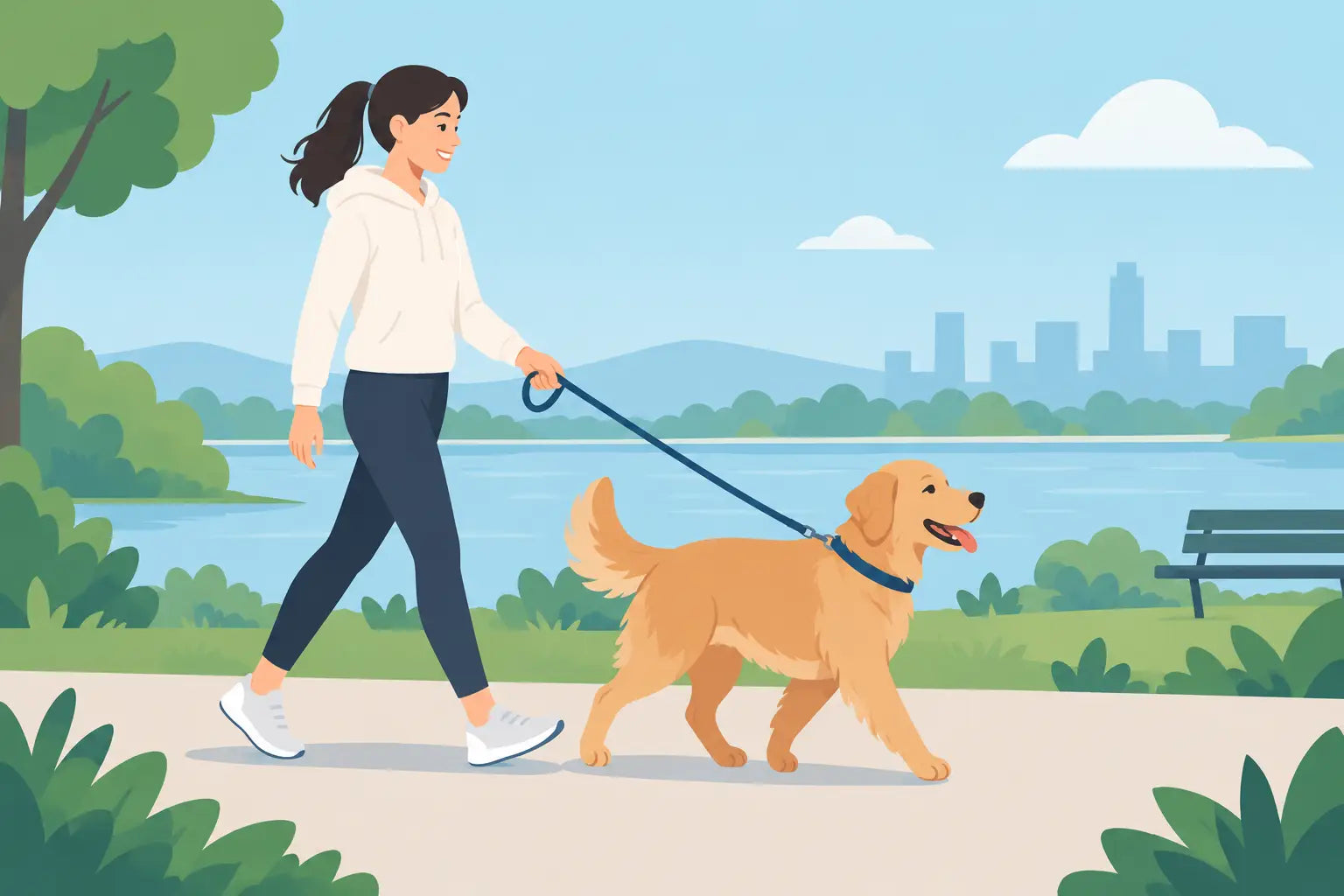
A walk should not feel like a tug-of-war before you have made it to the end of the driveway. This dog leash training guide is for pet parents who want safer, calmer outings and more of those happy little moments - sniffing the grass, greeting the neighborhood, and enjoying time together. Whether your dog is a bouncy puppy or an enthusiastic adult, patient practice can make a real difference.
Leash skills are not about making your dog march perfectly at your side every second. They are about teaching them that staying connected to you makes walks more comfortable, interesting, and rewarding. Small sessions, the right gear, and plenty of praise go a long way.
Start With the Right Leash Training Setup
Before training begins, check that your dog is comfortable in their collar or harness. A properly fitted harness should be snug enough that your dog cannot back out of it, yet loose enough for you to slide two fingers beneath the straps. Many dogs who pull hard do well with a front-clip harness because it gently redirects their body when they surge forward. Other dogs are perfectly comfortable in a standard flat collar, especially when they are not strong pullers.
Choose a regular leash that gives you control without wrapping around your hands or dragging on the ground. A 4- to 6-foot leash is often a practical choice for neighborhood walks and early training. Retractable leashes can have a place in wide, quiet areas with reliable recall, but they make it harder to teach a dog that a loose leash is the goal. For early practice, a fixed-length leash keeps the message clearer.
Bring pea-sized treats your dog truly loves. Kibble may be enough for a calm dog in the living room, while chicken, soft training treats, or a favorite toy may be more useful outdoors. The more distracting the setting, the more worthwhile the reward needs to feel.
Teach the Leash Before You Head Outside
For a puppy or a dog new to leash training, start indoors where squirrels, passing cars, and exciting smells are not competing for attention. Let your dog wear the harness or collar for a few short, supervised periods. Offer a treat, speak warmly, and let them move around normally. The goal is for the gear to predict good things rather than frustration.
Next, clip on the leash and follow your dog around the house for a minute or two. Do not pull them toward you. Instead, reward them when they look at you, step close to you, or move with the leash loose. You are building a simple association: staying near my person feels good.
Practice a few steps at a time. Say your dog's name, take one or two steps, and reward them beside your leg when the leash stays loose. There is no need to demand a formal heel unless that is a skill you want to teach later. A comfortable walking zone beside or slightly in front of you is enough for most everyday walks.
The Core Skill: A Loose Leash Gets You Forward
Dogs pull because pulling works. If pulling gets them to the fascinating fire hydrant, the next patch of grass, or the friendly person across the street, they learn to pull again. The kindest and clearest response is to make forward movement the reward for a loose leash.
When your dog reaches the end of the leash, stop walking. Keep your arms relaxed and avoid jerking or yanking them back. Wait quietly for even a tiny bit of slack, such as your dog turning toward you or taking one step back. The moment the leash loosens, praise them and continue forward.
At first, you may only make it a few yards. That is normal. Think of it as practice, not a failed walk. If stopping makes your dog more frustrated, turn and walk a few cheerful steps in the other direction instead. Reward them when they follow. The right approach depends on your dog: some respond beautifully to stopping, while others reset more easily with a gentle change of direction.
Use a friendly cue such as “let's go” when you begin moving. With repetition, your dog will connect the words, the loose leash, and the chance to keep exploring. Consistency matters more than a long session. Five focused minutes can teach more than a 30-minute walk where pulling is allowed most of the time.
Make Outdoor Practice Easier, Not Harder
The front yard may be more challenging than your living room, and a busy park may be much harder than the front yard. Build skills gradually. Begin at a quiet time of day on a familiar route, then add more activity as your dog becomes successful.
Let sniffing be part of the reward. Dogs learn about their world through scent, and a walk does not need to be a nonstop obedience exercise. Ask for a few loose-leash steps, then say “go sniff” and allow them to investigate. This teaches your dog that they do not have to drag you to every interesting smell. Calm walking gets them there.
Keep an eye on your dog's body language. A dog who is staring, barking, lunging, or refusing treats may be over their comfort threshold. Create more distance from the trigger, cross the street, or turn down a quieter path. Training is easier when your dog can still think and respond to you.
For energetic dogs, a little play or a puzzle toy before the walk can take the sharpest edge off their excitement. For nervous dogs, keep the outing short and predictable. Not every dog needs the same kind of walk, and progress rarely happens in a straight line.
Common Leash Training Mistakes to Skip
Avoid using leash pops, harsh corrections, or equipment that causes pain. These methods may interrupt behavior in the moment, but they can also create fear or make a dog associate other dogs, people, or outdoor sounds with discomfort. Gentle, reward-based training takes patience, yet it helps build trust along with better habits.
Another common mistake is expecting too much too soon. A young puppy may only be ready for a brief outing with lots of pauses. A newly adopted dog may need time to settle before they can focus outdoors. If your dog is pulling nonstop, shorten the route and make the environment easier rather than adding more pressure.
It also helps if everyone in the household follows the same basic rule: tight leash means we pause or change direction, and loose leash means we move forward. Mixed messages can slow learning, especially for a clever dog who quickly notices that different people have different rules.
Turn Daily Walks Into a Routine You Both Love
Aim for frequent, low-pressure practice. Celebrate the small wins: your dog checking in after a loud truck passes, choosing to turn with you, or walking past a tempting smell without pulling. Those moments add up.
Make sure your everyday essentials support the routine, too. A comfortable harness, dependable leash, treat pouch, water for longer outings, and a few favorite rewards can make leaving the house feel easier for both of you. At My Pet Your Pet Our Pet, the best pet essentials are the ones that fit naturally into the loving care you already give every day.
Some dogs learn loose-leash walking quickly; others need weeks of consistent practice. If pulling is severe, if your dog reacts strongly to people or animals, or if you feel unsafe on walks, a qualified force-free trainer can provide personalized help. There is no shame in getting support when your dog's well-being is on the line.
Keep the mood light, reward the behavior you want to see, and give your dog time to learn. Soon, that trip around the block can become less about managing the leash and more about sharing a part of the day that belongs to both of you.

