

Cart
0
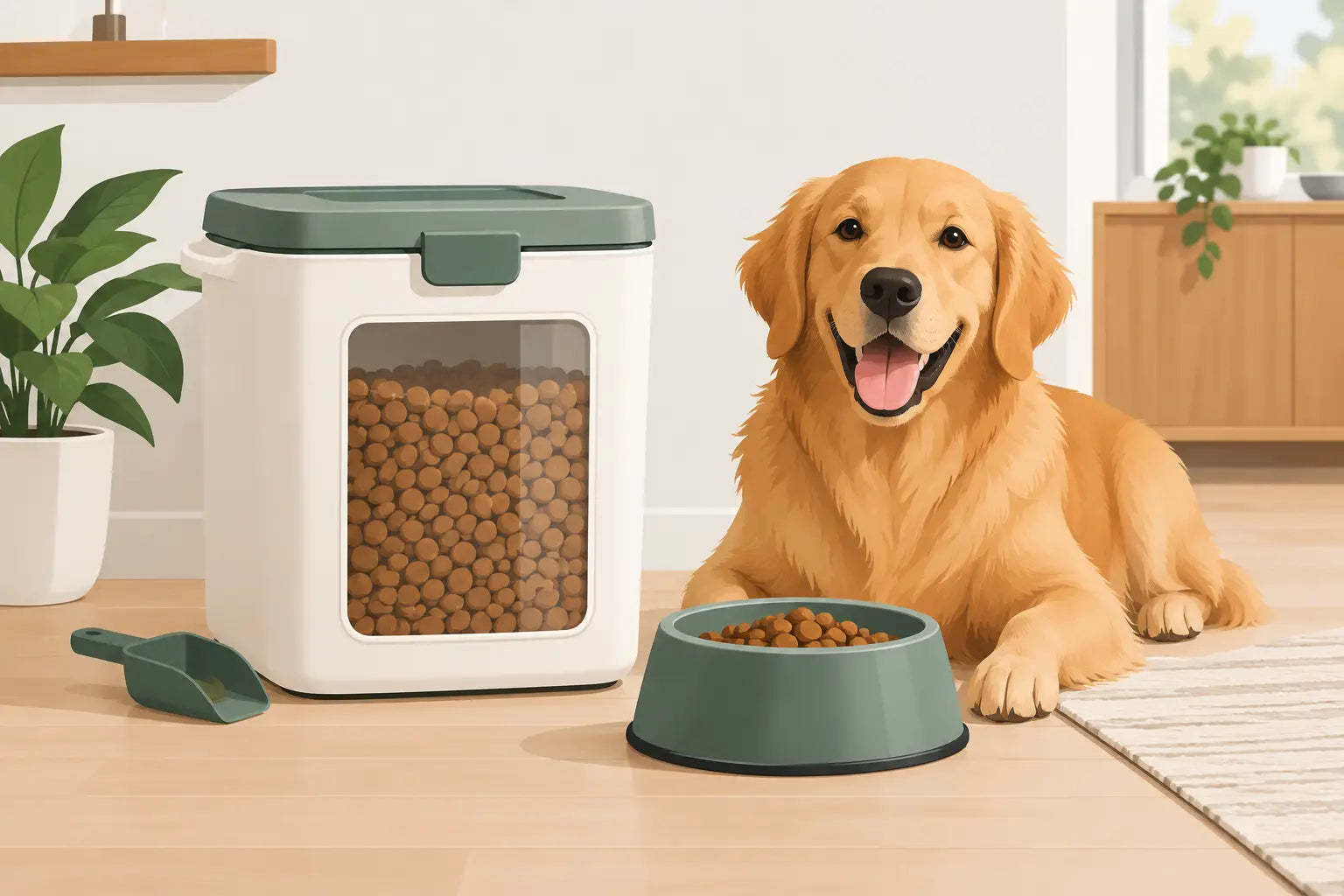
That last scoop at the bottom of a kibble bag should smell just as appetizing as the first. Smart dog food storage helps make that happen, while also keeping curious paws, pantry pests, moisture, and everyday messes away from your dog’s meals. It is a small home routine with a big payoff: fresher food, easier feeding, and one more way to care for the pet who makes your house feel like home.
Why Fresh Dog Food Matters
Dry dog food may look sturdy, but it is not invincible. Kibble contains fats that can lose freshness after too much exposure to air, heat, humidity, or sunlight. A bag left open in a warm garage or a flimsy container by a sunny window can turn a perfectly good meal into one that smells stale or has an off texture.
Freshness matters because your dog deserves food that tastes and smells the way it was meant to. Proper storage also helps you avoid waste. When food stays protected, you are less likely to toss a half-used bag because it has gone stale, picked up moisture, or attracted unwanted pantry visitors.
The right setup does not need to be complicated or expensive. For most pet parents, it comes down to choosing a container that fits the household, keeping food in the right place, and building a quick cleaning habit into the feeding routine.
Choose the Right Dog Food Storage Container
The best container is one that protects the food and works with the way your family feeds your dog. A huge bin may seem practical for a large bag of kibble, but it can be inconvenient if you have limited space or need to lift it often. A smaller option may be perfect for apartment living, small dogs, or households that prefer buying food in smaller quantities.
Look for a container with a secure, close-fitting lid. A good seal helps limit air and humidity exposure while making it harder for pets and pests to get inside. If your dog is an enthusiastic kitchen investigator, a locking lid can offer extra peace of mind. The container should also be sturdy enough to handle daily use without cracking or warping.
Clear containers make it easy to see when supplies are running low, which is handy before a busy week. Opaque containers are useful if the food will sit in a bright room, since they help keep light away from the kibble. Neither style is automatically better. Your storage location and your own shopping habits should guide the choice.
Keep the Food in Its Original Bag
One of the easiest ways to improve dog food storage is to place the entire original bag inside the storage container rather than pouring kibble directly into it. The bag holds useful details, including the best-by date, lot information, feeding guidance, and product name. If there is ever a quality concern, those details are much easier to find.
The original bag also provides another layer between the food and the container. Roll the top of the bag down or fold it closed, then secure the container lid. This simple habit can help preserve freshness and keep the container cleaner over time.
If you do pour food directly into a container, save the label and date information somewhere easy to reach. A note on the outside of the bin can help you remember which formula you bought and when you opened it.
Put Food in a Cool, Dry Spot
Where you store your dog’s food matters almost as much as what you store it in. A cool, dry indoor pantry or cabinet is usually a great choice. Try to keep food away from direct sunlight, humid laundry rooms, damp basements, and spots near ovens, heaters, or appliances that run hot.
The garage can be tempting, especially when a large bag takes up pantry space. But garage temperatures can swing dramatically through the year, and humidity can creep in. If it is your only option, choose the most temperature-stable area possible and use a tightly sealed container.
Keep the container off the floor if the area is prone to moisture. A low shelf or sturdy raised platform can make cleanup easier and help protect the bag from accidental spills. This is especially helpful in homes where muddy paws, wet boots, or water bowls create a little daily chaos.
Buy the Amount Your Dog Can Finish Fresh
Buying the biggest bag often looks like the best deal, but it is not always the best value. If one dog takes months to finish a giant bag, freshness may suffer before the last servings are used. A smaller bag bought more often can be a smarter choice for a small dog, a picky eater, or a household that rotates foods under veterinary guidance.
For multi-dog homes, a larger bag may make perfect sense. The goal is simply to choose a size your pets can eat within a reasonable period after opening. Consider how many cups your dogs eat each day, then match your purchase size to your actual feeding pace rather than the biggest sale sticker.
It also helps to use older food before opening a new bag. If you buy a backup bag, store it sealed in a cool, dry place and resist the urge to combine it with the remaining kibble from the first bag. Mixing old and new food can make it harder to track freshness and dates.
Keep Scoops, Bowls, and Hands Clean
A storage container can be spotless on day one and still become messy if a damp scoop is dropped inside or if hands have been handling treats, wet food, or household cleaners. Keep a dedicated dry scoop in or near the container, and wash it regularly with warm, soapy water. Let it dry completely before it touches the kibble again.
Your dog’s food bowl deserves the same attention. A clean bowl helps every meal feel fresh, and it prevents old crumbs or oily residue from building up around feeding time. If your dog slobbers enthusiastically, you may need to wash the bowl more frequently. That is normal - some pups simply bring extra excitement to dinner.
Avoid using a food scoop as a toy, a measuring cup for other household items, or a catch-all for treats. One designated scoop keeps the routine simple and helps protect the food from cross-contamination.
Clean the Container Between Bags
Before refilling a container with a new bag of food, empty it completely. Wipe out crumbs and inspect the corners, lid seal, and bottom for moisture, damaged plastic, or any signs of insects. Wash the container with warm, soapy water, rinse thoroughly, and let it air-dry fully before adding fresh food.
Do not rush the drying step. Even a little leftover moisture can affect dry kibble. If you are short on time, keep the new bag sealed until the container is completely dry rather than pouring it into a damp bin.
Cleaning between bags also gives you a natural moment to check your supplies. Is the lid still sealing well? Has the container developed cracks? Is your scoop worn out? A quick look can prevent small issues from becoming a frustrating mealtime problem.
Know When Food Should Not Be Served
Trust your senses when you open the container. Kibble that has an unusual rancid, sour, musty, or chemical-like smell should not be served. The same goes for food with visible mold, insects, webbing, unexplained moisture, or a noticeably different appearance.
When in doubt, set the food aside and check the package information. Your dog may be willing to eat something that is not at its best, but that does not mean it belongs in the bowl. A fresh bag is always the kinder choice when food quality seems questionable.
If your dog suddenly refuses a familiar food, do not assume they are being fussy. Check the storage conditions and inspect the kibble first. Of course, appetite changes can also have health causes, so contact your veterinarian if your dog’s refusal to eat continues or comes with other symptoms.
Make Feeding Time Feel Easy
The best dog food storage setup is the one you will actually use every day. Keep the container near your feeding station if that makes morning routines smoother, but not so close to the water bowl that splashes become a problem. Pair it with a comfortable feeding mat, a clean bowl, and a scoop that is always within reach.
For every pet, with love, the goal is not a picture-perfect pantry. It is a dependable little system that keeps meals fresh and makes it easier to give your dog the care they count on. When that familiar kibble crunch is protected from the first scoop to the last, every dinner can feel like a small act of home.

