

Cart
0
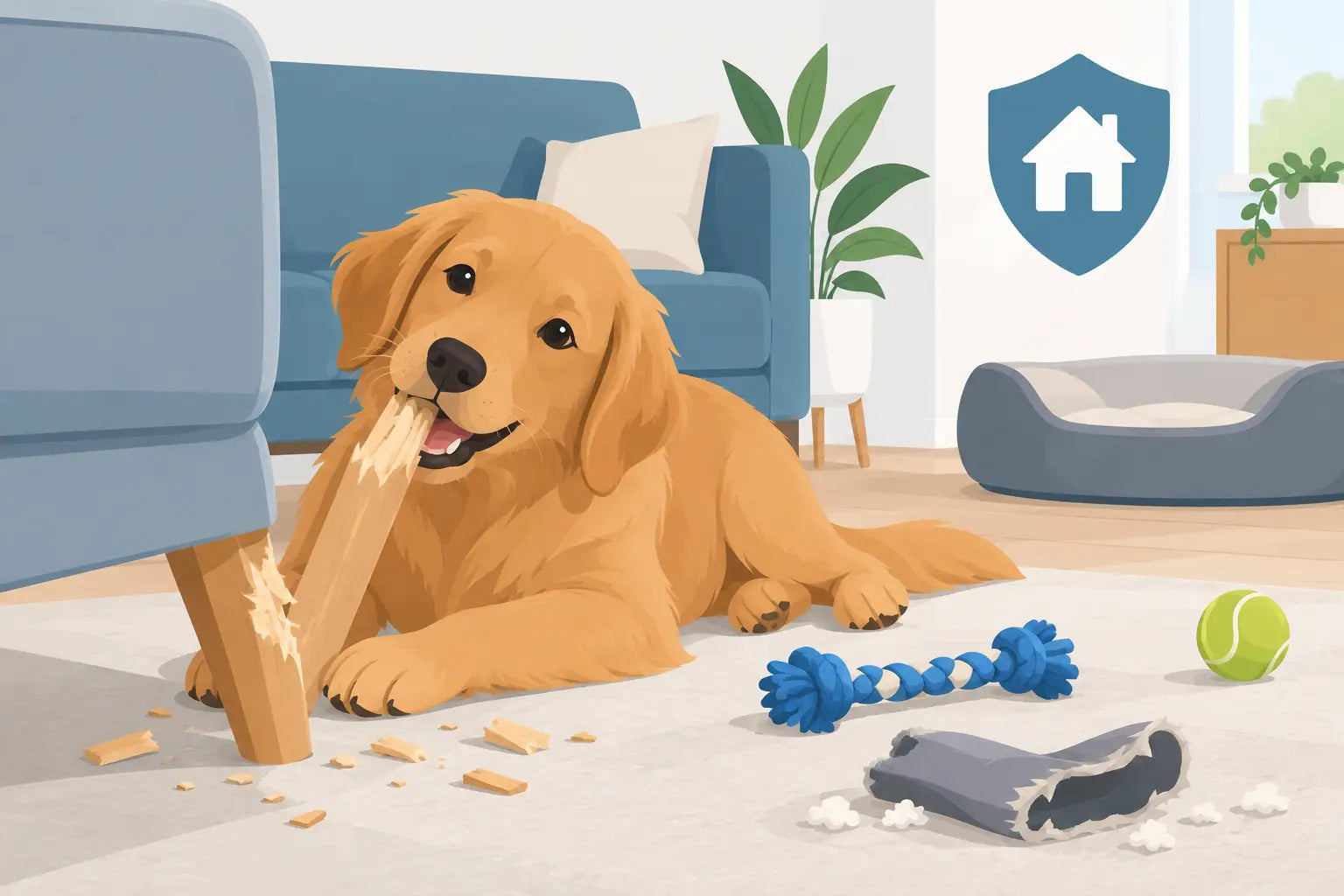
A chewed sneaker can feel personal, especially when it was the one pair your dog somehow found at the back of the closet. But before you label your pup a tiny home wrecker, take a breath. Why dogs chew usually has far more to do with instinct, comfort, boredom, or stress than with “bad” behavior.
Chewing is a normal part of being a dog. The real goal is not to stop chewing altogether. It is to help your dog learn what belongs in their mouth and what belongs safely on the shelf.
Why Dogs Chew in the First Place
Dogs experience the world through their noses and mouths. Chewing can be fun, calming, rewarding, and physically satisfying. A good chew gives a dog something to do with their jaw, brain, and natural curiosity all at once.
The reason matters because a teething puppy needs something different from an adult dog who shreds cushions after you leave for work. Once you can spot the pattern behind the behavior, choosing the right response gets much easier.
Puppies chew because their mouths hurt
Puppies are famous for chewing, and teething is a big reason why. As baby teeth fall out and adult teeth come in, chewing can ease gum discomfort. Puppies also have not yet learned the household rules. To them, a table leg, slipper, remote control, and chew toy may all look equally interesting.
Offer puppy-safe chew toys in a few textures, then keep tempting items out of reach while your pup is learning. This is not spoiling them. It is setting them up to make a good choice.
Adult dogs may need an outlet for energy
A dog with extra energy will find a job, and that job may be rearranging your throw pillows with their teeth. Many dogs need more than a quick bathroom break. They benefit from walks that allow time for sniffing, play sessions, short training games, and toys that make them think.
High-energy breeds and young adult dogs often need more activity, but any dog can become restless when every day feels the same. A tired dog is not automatically a well-behaved dog, yet meeting their exercise and enrichment needs can greatly reduce unwanted chewing.
Boredom makes household items look exciting
Dogs do not understand that your favorite shoes cost more than their toy. They do understand that shoes smell strongly like you, are easy to pick up, and may be very satisfying to chew.
If your dog tends to chew when they are alone, look closely at their daily routine. Long stretches with nothing to do can turn ordinary objects into entertainment. Rotating toys every few days, providing a food-stuffable toy, or offering a fresh chew before you head out can make alone time feel more rewarding.
Stress and separation can show up as chewing
Some dogs chew to soothe themselves. It may happen during thunderstorms, after a household change, when guests visit, or when they are left alone. In these cases, chewing is not defiance. It is often a coping behavior.
Look for other clues, such as pacing, whining, heavy drooling, scratching at doors, accidents indoors, or frantic behavior when you prepare to leave. A dog that occasionally chews a slipper needs a different plan than a dog who panics every time they are alone.
Some dogs simply enjoy chewing
For many dogs, chewing is a favorite pastime. It keeps their jaws busy and can provide a calming routine. That is why even a well-exercised, happy dog may settle down with a chew after dinner.
This is good news. You do not need to take chewing away from your dog. You just need to make the approved options more appealing and more available than the forbidden ones.
How to Redirect a Dog That Chews Everything
The most effective approach combines management, practice, and plenty of appropriate choices. Scolding after you discover damage usually does not help. Your dog will not connect a lecture with something they did an hour ago, and they may only learn to hide when they chew.
Instead, make the right choice easy in the moment. If you catch your dog chewing something off-limits, calmly remove it and offer an appropriate toy. When they take the toy, praise them warmly. A simple “good dog” and a little attention can make the swap feel worthwhile.
Start by keeping a selection of dog-safe toys and chews where your dog spends time. Variety helps because some dogs prefer rubbery toys, while others like plush toys, ropes, or durable chew options. Choose products suited to your dog’s size and chewing style. A tiny toy can become a choking risk for a larger dog, while a soft toy may not last long with a powerful chewer.
Puppy-proofing and dog-proofing are just as useful for adult dogs who are still learning. Put shoes in a closed closet, keep children’s toys off the floor, secure trash, and protect electrical cords. Use a gate, crate, or pet-safe room when you cannot supervise - but only if your dog is comfortable in that space. A crate should feel like a cozy resting spot, never a punishment for chewing.
Give Chewing a Better Purpose
The best chewing plan includes more than one toy tossed on the floor. Dogs love novelty, and a few simple changes can keep approved items interesting.
Use toys during the times your dog is most likely to get into trouble. If they chew while you answer emails, offer a chew before sitting down. If they become destructive after dinner, plan a short walk, a training session, or a puzzle-style feeding activity before settling in for the evening.
Food-based enrichment can be especially helpful for dogs who rush through meals or struggle with boredom. Slow-feeder accessories, treat-dispensing toys, and lickable enrichment options turn part of a meal into a calming activity. Always supervise new products at first, especially if your dog is determined to tear apart toys or swallow pieces.
It also helps to teach a reliable “drop it” cue. Practice with a low-value toy and a treat, rather than waiting until your dog has grabbed something important. Say the cue once, reward the release, and give the item back when appropriate. Over time, your dog learns that letting go does not mean fun disappears.
When Chewing May Be a Health Concern
Most chewing is normal, but sudden or intense chewing deserves attention. If an adult dog who never chewed household items suddenly starts, consider whether something has changed. Dental pain, an upset stomach, aging-related confusion, medication changes, or anxiety can all affect behavior.
Contact your veterinarian if your dog has bad breath, bleeding gums, trouble eating, pawing at their mouth, broken teeth, vomiting, diarrhea, or seems to have swallowed part of an object. Chewing rocks, fabric, plastic, wood, or other non-food items can be dangerous and may lead to a blockage.
You should also ask for help if chewing appears tied to severe separation distress. A veterinarian, qualified trainer, or veterinary behavior professional can help you build a plan that supports your dog without making their anxiety worse.
A Home That Works for Dogs and People
Living with a dog means accepting a little joyful mess, but it does not have to mean replacing your belongings every month. Think of chew toys, comfortable beds, enrichment activities, and safe spaces as part of your dog’s everyday care - right alongside food, walks, and affection.
At My Pet Your Pet Our Pet, we believe pets deserve choices that keep them comfortable, engaged, and happily busy. Keep a few approved chew options within reach, notice when your dog is most likely to chew, and celebrate each good decision. With patience and the right outlet, your dog can keep doing what dogs do best without turning your home into their next chew project.

