

Cart
0
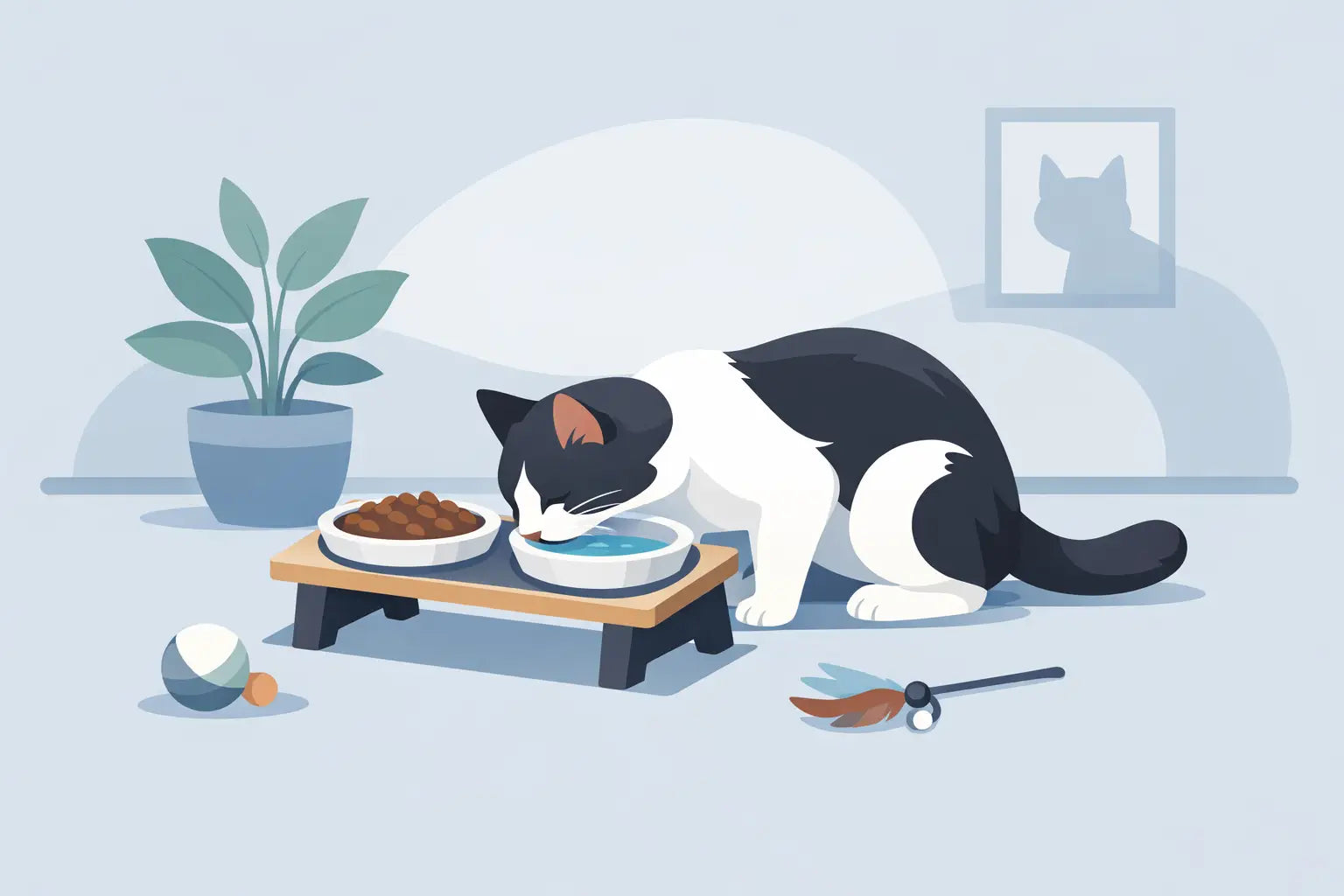
A cat’s food bowl may be small, but it plays a big role in a daily routine your pet truly cares about. Elevated cat feeding bowls bring food and water closer to your cat’s natural eating position while adding a neat, intentional look to the feeding area. For many households, they can also mean fewer pushed-around bowls, less scattered kibble, and a more comfortable mealtime setup for a beloved companion.
Still, a raised bowl is not automatically the best pick for every cat. The right choice comes down to your cat’s size, age, habits, and the way they like to eat. Here is how to choose a feeding station that feels good for your cat and works beautifully in your home.
Why Cat Parents Choose Elevated Cat Feeding Bowls
The biggest appeal of elevated bowls is simple: they lift food or water off the floor. Instead of bending all the way down, a cat can eat from a slightly higher position. This can be especially appealing for senior cats, cats with mobility concerns, or pets who seem stiff when lowering their heads to eat.
Many cat parents also like the practical side. A sturdy raised stand can keep lightweight dishes from sliding across tile, hardwood, or laminate flooring. If your cat is an enthusiastic eater, that little bit of stability can make cleanup easier. Some designs include a tray or a raised frame that helps define the feeding zone, keeping crumbs and splashes in one easy-to-wipe spot.
There is also the everyday style factor. A feeding space does not have to look like an afterthought. Elevated bowl sets come in clean, modern shapes, cozy natural finishes, playful colors, and simple designs that fit naturally beside your pet’s bed, toys, and favorite sunny window.
Comfort matters, but every cat is different
A gentle lift may feel more comfortable for some cats, particularly as they age. But higher is not always better. Cats are generally smaller than dogs, and an overly tall feeder can make a cat stretch upward or hold an awkward posture. The goal is a modest, comfortable raise, not a dramatic countertop-level dining experience.
If your cat is healthy, young, and happily eating from a regular bowl, there may be no urgent reason to change the setup. An elevated option can still be a lovely choice for tidiness and stability, but it is best viewed as a comfort and convenience accessory rather than a cure-all.
How High Should an Elevated Cat Bowl Be?
For most cats, low-rise elevated cat feeding bowls are the sweet spot. Look for a stand that raises the dish just a few inches from the floor, rather than placing it near chest height. Your cat should be able to approach the bowl naturally, with their head and neck in a relaxed position.
Watch your pet during the first few meals. A good height looks easy: your cat walks up, eats calmly, and does not need to stretch, crouch strangely, or back away from the bowl. If the feeding station seems too tall, switching to a lower stand or a shallow raised dish is usually the better move.
Kittens need extra consideration because they grow quickly. A small elevated bowl may work well now but become too low later, while a tall feeder intended for an adult cat may feel intimidating or uncomfortable at first. Adjustable or low-profile options can make the transition easier as your kitten grows.
For cats recovering from an injury or living with arthritis, ask your veterinarian for feeding-height guidance. Your vet understands your cat’s specific condition and can help you avoid a setup that accidentally creates more strain.
Choosing the Right Bowl Shape and Size
Height gets most of the attention, but bowl shape is just as important. Many cats dislike having their sensitive whiskers constantly brush against deep, narrow bowl walls. This is often called whisker stress or whisker fatigue, although not every cat reacts the same way. If your cat pulls food out of the dish, eats only from the center, or seems fussy around a full bowl, a wider, shallower shape may be worth trying.
A shallow dish is especially useful for wet food, while a slightly deeper bowl can work well for dry food or water. Consider your cat’s actual portion size, too. An oversized bowl can make a small serving look lost, while a dish that is too small may crowd food against the sides.
For homes with multiple cats, individual stations can reduce mealtime tension. Some cats prefer space and privacy, even when they happily share the rest of the house. Separate bowls placed a few feet apart give each pet room to eat at their own pace.
Materials That Make Everyday Care Easier
The best material is one you can keep clean consistently. Stainless steel, ceramic, and quality food-safe plastic all have a place, depending on your cat and your household routine.
Stainless steel bowls are lightweight, durable, and simple to wash. They are a smart everyday choice for cats who tend to knock dishes around, especially when paired with a stable non-slip stand. Ceramic bowls have a pleasing weight and can bring more color and personality to a feeding corner. Choose bowls with a smooth, intact glaze, and replace any that become chipped or cracked.
Plastic bowls can be affordable, colorful, and convenient, but they should be cleaned thoroughly and inspected often for scratches. Deep scratches can hold residue over time. If your cat has recurring chin irritation or seems sensitive around the mouth, talk with your veterinarian and consider trying stainless steel or ceramic instead.
Whatever material you choose, wash food dishes regularly with warm, soapy water and refresh water daily. A beautiful feeding station only stays inviting when it is clean.
Look for Stability, Not Just a Cute Design
A charming raised feeder is fun to shop for, but the details are what make it work day after day. A broad base, non-slip feet, and bowls that sit securely in their openings can prevent frustrating spills. If your cat likes to hook a paw around the bowl or push it away mid-meal, a loose dish on a narrow stand will not stay put for long.
Also think about where the feeder will live. A compact setup suits apartments, smaller kitchens, and quiet corners. A larger double-bowl stand can be convenient for food and water, but some cats prefer their water away from their food. There is no single rule here. If your cat drinks more readily from a separate water bowl or fountain across the room, keep that routine.
For wet-food meals, removable bowls are especially helpful. You can lift the dish out, wash it quickly, and return it without needing to carry the whole stand to the sink. A wipeable tray beneath the bowls is another small feature that pays off when dinner gets enthusiastic.
Helping Your Cat Adjust to a New Feeding Station
Most curious cats adapt quickly, but some are loyal to their familiar dish. Make the change feel low-pressure. Place the new elevated bowl in the same location as the old one and use the same food your cat already enjoys. Let them investigate it before expecting a full meal.
If your cat hesitates, start by placing the familiar bowl beside the new feeder for a day or two. You can then move the usual food into the elevated dish once your cat seems comfortable. Avoid forcing the transition or repeatedly relocating the station. Cats tend to appreciate predictable routines, especially around food.
Pay attention to behavior after the switch. Comfortable eating, normal appetite, and relaxed body language are all encouraging signs. If your cat suddenly eats less, vomits more often, paws at their mouth, or seems uncomfortable while eating, do not assume the bowl is the only issue. Return to the setup they tolerated and contact your veterinarian if the behavior continues.
A Small Upgrade for a Well-Loved Cat
The right feeding accessories support the little moments that make up your cat’s day: breakfast before the house wakes up, a midday snack, fresh water after a nap, and dinner served right on time. Elevated cat feeding bowls can bring more order, comfort, and style to those routines when the height and bowl shape suit your pet.
Choose a low, stable design that is easy to clean, give your cat time to decide how they feel about it, and let their habits guide the final choice. After all, the best feeding setup is the one that helps your favorite feline eat happily while making daily care feel a little easier for you, too.

