

Cart
0
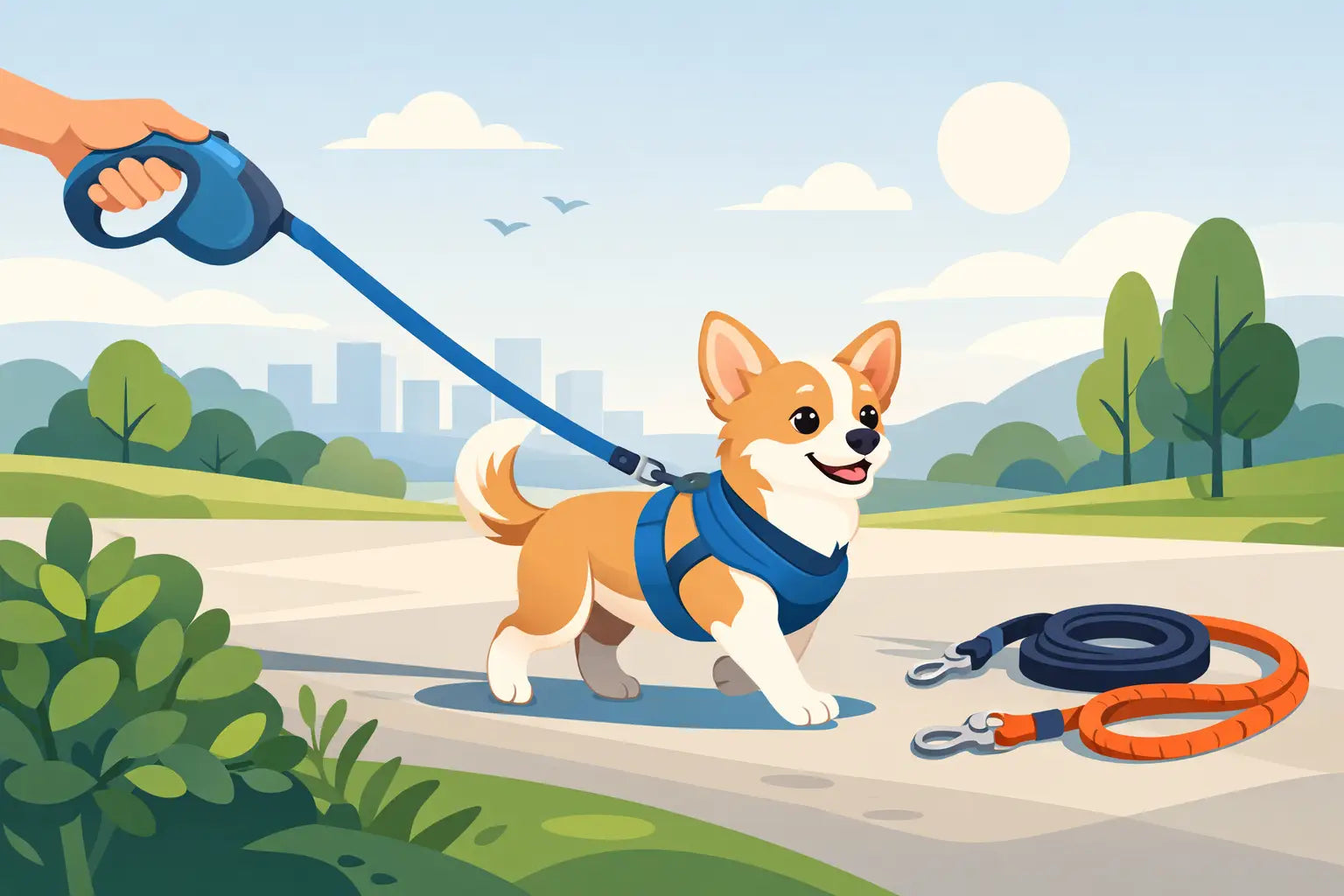
A tiny dog can have a big personality, which is exactly why a leash should never be an afterthought. The best leash for small dogs is one that feels light in your hand, gentle on your pup, and dependable when a squirrel, skateboard, or exciting new friend suddenly appears. It should support the happy little routines that make life with your pet so special: morning potty breaks, neighborhood strolls, park visits, and travel days.
For every pet, with love, the right choice starts with your dog’s size, walking habits, and comfort level. A leash that works beautifully for a calm 12-pound Shih Tzu may not be the right fit for a speedy, curious 7-pound Chihuahua. Here is how to choose a leash that helps your small companion feel safe, secure, and ready to explore.
What Makes the Best Leash for Small Dogs?
Small dogs need a leash with a different balance than larger breeds. Strength still matters, but a heavy clip, thick rope, or bulky handle can feel awkward and unnecessary for a little pup. The ideal leash is lightweight without feeling flimsy, easy to control, and properly matched to the collar or harness your dog wears.
Start by checking the leash hardware. The clip should fasten smoothly and stay closed securely, but it should not be oversized. Large metal clips can add unwanted weight to a small dog’s collar or harness connection. A smaller, sturdy clip is usually more comfortable for toy and small breeds.
Next, think about the leash’s width. Narrow leashes are often a practical choice for small dogs because they are lighter and easier to manage. That said, the thinnest option is not always best. If your dog pulls, lunges toward birds, or gets excited around other pets, choose a leash with enough width and strength to stay comfortable in your hand while offering reliable control.
Comfort goes both ways. Your pup needs a leash that does not drag or tug, and you need a handle that feels good during everyday walks. A padded or soft-grip handle can make a real difference, especially if your dog is energetic or you take several walks each day.
Choose a Length That Fits Your Walking Routine
Leash length shapes the entire walk. For most small dogs, a standard 4- to 6-foot leash is the most useful all-around option. It gives your pup room to sniff and move while keeping them close enough for you to guide them around traffic, other dogs, and busy sidewalks.
A 4-foot leash can be a smart choice for city walks, crowded parks, training, or dogs that tend to zigzag. It keeps your little companion nearby and reduces the chance of the leash wrapping around benches, bicycle racks, or your own legs.
A 6-foot leash offers a bit more freedom and works well for relaxed neighborhood walks. It is often the sweet spot for pet parents who want their dog to enjoy the walk without giving up control.
Long lines can be fun for supervised training in open spaces, but they are not the best everyday choice near roads or distractions. If you use one, save it for a safe, wide-open area and keep a close eye on your dog. Small dogs can move surprisingly fast when something catches their attention.
Nylon, Rope, Leather, or Retractable?
Leash material affects weight, feel, durability, and care. There is no single perfect material for every dog, but understanding the trade-offs makes shopping much easier.
Nylon leashes are popular because they are lightweight, colorful, affordable, and easy to clean. They are a wonderful everyday pick for many small dogs. Look for smooth stitching and a strong connection where the leash meets the clip. If your dog likes to chew, inspect nylon regularly, since frayed fibers can weaken over time.
Rope leashes can offer a comfortable grip and a sturdy feel without being overly heavy. They are especially nice for pet parents who want a leash that feels secure in the hand on longer walks. For very tiny dogs, choose a slimmer rope style rather than a thick, oversized design.
Leather leashes have a classic look and can soften beautifully with use. A quality leather leash may be long-lasting, but it generally costs more and needs occasional care to stay in good condition. It is a lovely option for a well-trained small dog, though it may not be ideal for a puppy who is still in a chewing phase.
Retractable leashes give dogs more distance, which can sound appealing. However, they can make it harder to react quickly around cars, other animals, and unexpected hazards. The thin cord may also be difficult to see, and the handle can feel bulky for quick control. For most daily small-dog walks, a standard fixed-length leash is the simpler, safer choice.
Pair the Leash With the Right Harness or Collar
A good leash can only do its job when paired with the right walking gear. Many small dogs do best with a properly fitted harness, particularly puppies, brachycephalic breeds with short noses, and dogs that pull. A harness spreads pressure across the chest and shoulders instead of concentrating it around the neck.
For a collar, use the two-finger check: you should be able to comfortably fit two fingers between the collar and your dog’s neck. It should not slide over the head or hang loosely. Your dog’s identification tag should be attached and easy to read before every outing.
If you use a harness, check that it fits snugly around the chest without rubbing behind the front legs. Small dogs can be excellent escape artists, especially when startled. A harness that is too loose can allow a scared pup to back out and run free, while one that is too tight can limit natural movement.
Never attach a leash to a harness or collar with a broken ring, bent clip, or worn strap. A fast inspection before heading out takes seconds and can prevent a stressful situation.
Features That Make Walks Easier
The little details can turn a basic leash into a favorite daily essential. Reflective stitching or a reflective strip is especially helpful for early mornings and evening walks. It adds visibility when you and your dog are near driveways, crossings, or low-light paths.
A swivel clip is another helpful feature. Small dogs love to circle, sniff, and change direction, and a swivel helps reduce annoying leash twists. If you walk with treats, waste bags, keys, or a phone, a comfortable loop handle gives you a steadier hold while keeping the experience pleasant.
Style matters, too. Your dog’s leash is part of their everyday look, so enjoy choosing a color, pattern, or design that suits their personality. A cheerful leash can make routine walks feel a little more fun, but safety and fit should always come first.
A Quick Fit Check Before You Leave
Before your next walk, hold the leash while your dog stands beside you. The clip should rest naturally without pulling down on the collar or harness. There should be no sharp edges, loose threads, cracked material, or stiff spots that could irritate your hand or your pet’s skin.
Walk a few steps indoors or in a calm area. If your dog seems to scratch at the harness, freeze, cough, or pull away, pause and check the fit. Those reactions do not always mean the leash is wrong, but they are worth paying attention to. Some dogs simply need time and positive encouragement to get comfortable with new gear.
For puppies, lightweight is especially important. They are still learning what a walk feels like, and heavy or restrictive equipment can make the experience less enjoyable. Keep early walks short, reward calm behavior, and let your pup build confidence at their own pace.
Give Your Little Dog a Walk They Love
The best leash is not necessarily the flashiest or the most expensive. It is the one that gives you confident control while allowing your small dog to walk comfortably, sniff happily, and stay close to the person they trust most.
Choose a lightweight fixed-length leash, match it carefully to a secure harness or collar, and replace it when signs of wear appear. At My Pet Your Pet Our Pet, every leash, harness, toy, and everyday essential can be part of a happier routine for the pet who makes your house feel like home. A comfortable walk is a small act of care, and your little companion will feel it with every step.

