

Cart
0
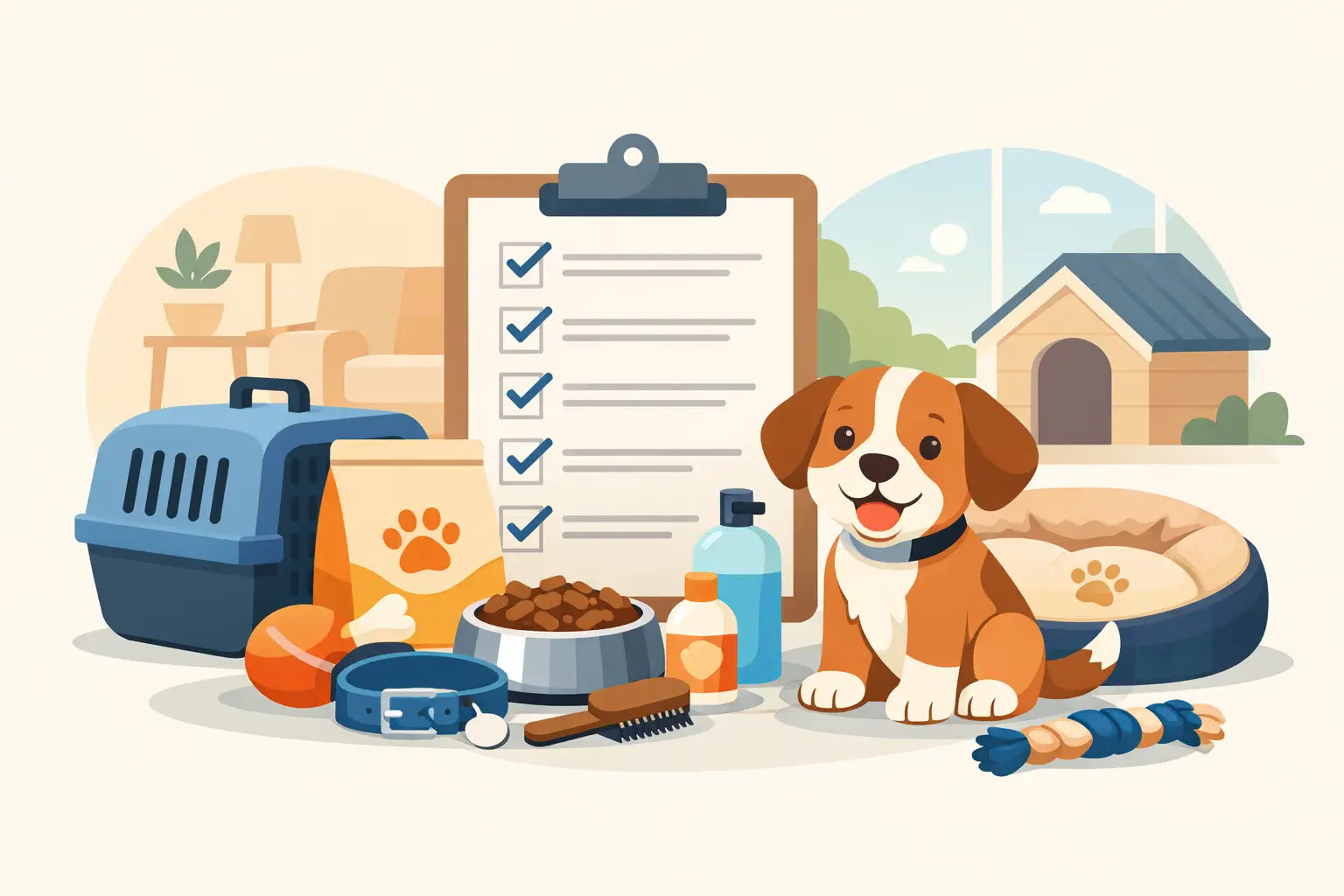
That tiny puppy belly, oversized paws, and excited first ride home can make it tempting to buy every adorable item in sight. A better first puppy shopping checklist focuses on what helps your new family member feel safe, settled, clean, fed, and ready to learn. Start with the everyday basics, then let your puppy’s personality guide the fun extras.
Start With a Safe, Cozy Space
Your puppy needs a spot that feels like their own from day one. A crate or kennel can be a helpful sleeping and training space when it is sized correctly. Your puppy should be able to stand, turn around, and lie down comfortably, but too much extra room may make house-training more difficult. If you expect your pup to grow quickly, a crate with a divider can be a smart choice.
Add a washable bed or crate pad that provides comfort without creating a chewing hazard. Some puppies are gentle sleepers; others see bedding as their first project to shred. If your puppy is an enthusiastic chewer, begin with simple, durable bedding and supervise them around anything soft or stuffed.
A baby gate is also worth considering, especially in homes with stairs, open rooms, or areas that need to stay puppy-free. It gives your new companion room to be part of the household without giving them access to every tempting shoe, cord, and snack crumb.
Puppy-proof before the shopping bags arrive
Shopping is only half the preparation. Pick up small objects, secure electrical cords, close trash cans, and move medications, cleaning supplies, and human food out of reach. Houseplants deserve a second look too, since some common varieties are not pet-safe. A safe home lets you spend less time saying “drop it” and more time getting to know each other.
First Puppy Shopping Checklist: Feeding Basics
Mealtime will quickly become one of your puppy’s favorite parts of the day. Choose sturdy food and water bowls that are easy to wash and hard to tip. Stainless steel and quality ceramic bowls are popular for their durability, while non-slip bases help keep eager eaters from sending dinner across the kitchen.
Your breeder, rescue, or veterinarian can help you choose an age-appropriate puppy food and advise you on portions. Avoid changing foods abruptly during an already big transition. If you plan to switch formulas, do it gradually once your puppy is settled, unless your vet recommends otherwise.
Keep a container for food storage if you buy a larger bag. It helps preserve freshness and keeps curious noses out. Training treats are another must-have, but choose small, soft options that are easy to chew and quick to eat. During early training, the reward should not distract from the lesson.
It also helps to have a portable water solution for car rides, walks, and warm days. Puppies can become thirsty fast while exploring their new world.
Choose Walking Gear That Fits Right Now
A collar, identification tag, leash, and harness belong near the top of every first puppy shopping checklist. Even if your puppy is not ready for long neighborhood walks, these items help them practice wearing gear and prepare for safe outings.
Fit matters more than fancy details. Your puppy’s collar should allow room for two fingers underneath, and it should be checked often as they grow. Include an ID tag with your phone number, and ask your veterinarian about microchipping for an added layer of protection.
Many families prefer a harness for puppies because it can reduce pressure on the neck when a little learner pulls. The right option depends on your puppy’s body shape, size, and comfort. Look for adjustable straps and watch for rubbing around the chest and underarms.
A standard leash is best for building early walking habits. Retractable leashes can have a place later for certain dogs and settings, but they are not always ideal for a puppy still learning boundaries, recall, and polite greetings. Bring waste bags along from the beginning. It is a small routine that makes outings better for everyone.
Build a Toy Basket With Purpose
Puppies play to explore, burn energy, soothe teething gums, and learn what they are allowed to chew. That means toys are not just cute extras. They are part of a calmer, happier home.
Choose a mix rather than a mountain of identical toys. A few well-chosen options give your pup different ways to play:
- Soft plush toys for gentle carrying and cuddling
- Durable chew toys for teething and redirection
- Toss-and-fetch toys for active play together
- Puzzle or treat-dispensing toys for mental enrichment
Prepare for House-Training and Everyday Cleanup
Accidents happen, even with the brightest puppy and the most consistent schedule. The goal is not perfection during the first week. The goal is to make good habits easy and cleanup manageable.
Stock up on pet-safe enzymatic cleaner designed for urine and other messes. Regular household cleaners may remove the visible stain but leave behind scent traces that invite repeat accidents. Keep paper towels or washable cleaning cloths handy, along with a small covered bin for used pads or waste.
Puppy pads can be useful for apartment living, overnight emergencies, or puppies who cannot safely go outdoors yet. However, they can create an extra transition if your long-term goal is outdoor potty training. It depends on your routine, your puppy’s vaccination status, and how easily you can get outside. A consistent schedule matters more than any single product.
Take your puppy out after waking, eating, drinking, playing, and napping. Celebrate successful potty trips with a cheerful voice and a tiny treat right away. No scolding after an accident. Puppies learn faster when they understand what earns praise.
Keep Grooming Gentle and Simple
Early grooming supplies help your puppy get comfortable with being handled long before they need a full bath or professional appointment. Start with a brush suited to their coat, a gentle puppy shampoo, nail clippers or a nail file, and pet-safe wipes for muddy paws and small cleanups.
Short, positive practice sessions are more valuable than trying to do everything at once. Touch your puppy’s paws, ears, tail, and mouth gently, then offer praise or a treat. This builds trust and can make future grooming, vet visits, and at-home care much less stressful.
Do not bathe your puppy too often unless they truly need it. Frequent bathing can dry out the skin, and many puppy messes can be handled with a damp cloth or pet wipe. For fluffy breeds or puppies with special skin needs, your veterinarian or groomer can offer more tailored guidance.
Do Not Forget the Car and Health Essentials
Your puppy will need safe transportation for vet visits, family adventures, and maybe a trip to pick out their next favorite toy. A secure travel crate, carrier, or dog car seat helps prevent distractions and keeps your puppy protected in the vehicle. Never plan on holding a puppy in your lap while driving.
Set aside a folder or organizer for vaccination records, adoption paperwork, microchip details, and vet information. It is also useful to keep a pet first-aid kit with basics such as gauze, bandage material, saline rinse, and your veterinarian’s phone number. Ask your vet what should be included for your puppy and when to call rather than treating an issue at home.
Before introducing busy dog parks, public water bowls, or high-traffic pet areas, check with your veterinarian about your puppy’s vaccine schedule. Socialization is valuable, but safe socialization is the priority.
Make Room for the Joyful Extras
Once the essentials are covered, the sweet extras can make daily life even more fun. A cozy blanket for supervised snuggles, a cute bandana, a personalized bowl mat, or a new toy for milestone days can help your puppy feel wonderfully at home. Your puppy does not need everything at once, though. They need patient care, predictable routines, and people who are happy to learn alongside them.
At My Pet Your Pet Our Pet, we believe every new companion deserves comfort, play, and plenty of love. Begin with the basics, watch what makes your puppy’s tail wag, and add to your collection as their needs and personality grow. The best item on your shopping list is not a product at all: it is time together.

