

Cart
0
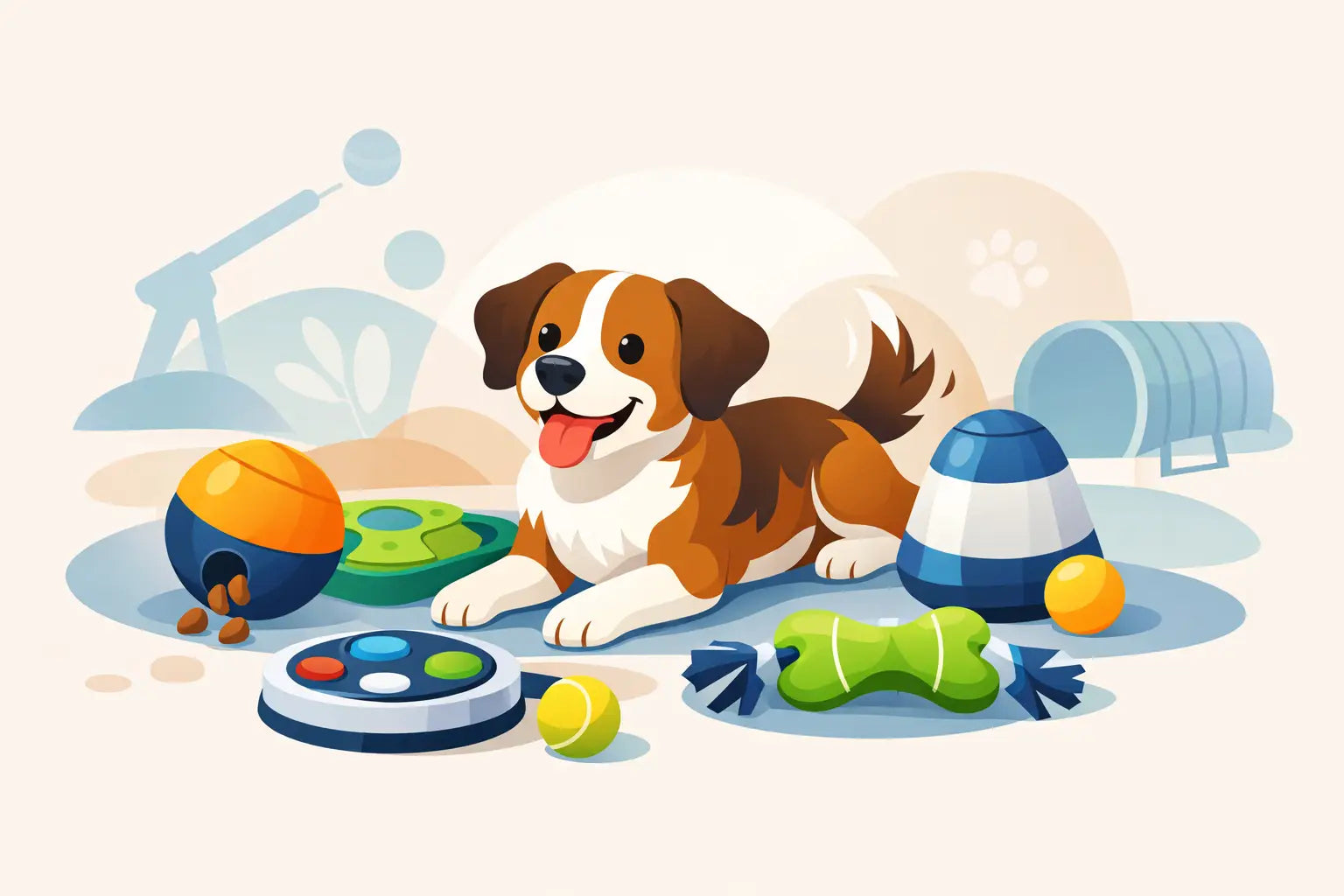
A bored dog can turn a quiet afternoon into a missing-sock mystery fast. If you are wondering what toys keep dogs busy, the best answer is not one magic toy. It is finding the kind of play that fits your dog’s natural habits: sniffing, chewing, chasing, tugging, or working for a tasty reward.
The right toy gives your dog something happy and appropriate to do while you cook dinner, answer emails, or simply enjoy a little quiet time. For every pet, with love, that can mean a bouncy ball for one pup and a treat puzzle for another.
What Toys Keep Dogs Busy at Home?
Busy toys work because they ask a dog to do more than carry something around. They make your pet think, move, chew safely, or use their nose. The most engaging choices tend to fall into four categories: food-dispensing toys, puzzle toys, chew toys, and interactive play toys.
Your dog’s age, size, chewing power, and energy level all matter. A tiny senior dog may be happiest with a soft snuffle mat and easy-to-reach treats. A young, athletic dog may need a durable fetch toy plus a tougher puzzle that takes longer to solve. The goal is not to make play difficult for the sake of it. It is to make it satisfying.
Treat-dispensing toys for focused fun
Treat-dispensing toys are a favorite for a reason: they turn snack time into an activity. Fill a rubber toy, rolling treat ball, or slow-feeding toy with kibble, small training treats, or a dog-safe spread. As your dog nudges, rolls, licks, and paws at it, they are rewarded a little at a time.
These toys can be especially helpful for dogs that eat too quickly or get restless when the house is busy. For a longer-lasting challenge, use part of your dog’s normal meal instead of adding extra calories. You can also freeze a filled toy for warm days or for dogs that finish easy puzzles in minutes.
Start simple. If the opening is too small or the food is packed too tightly, a dog may give up before the fun begins. Once your pet understands the game, you can make it more challenging.
Puzzle toys that put noses and brains to work
Puzzle toys usually hide treats behind sliding panels, cups, flaps, or compartments. They give curious dogs a job to do and can make a short indoor play session feel more meaningful. Dogs are natural problem-solvers when food is involved, and even a few minutes of successful searching can be wonderfully rewarding.
Choose an easy puzzle for a beginner, then move up as your dog learns how it works. A puzzle that is too advanced can lead to barking, frustration, or a determined attempt to chew the whole thing apart. Stay nearby the first few times, both to encourage your dog and to make sure they are using the toy safely.
For dogs that love sniffing on walks, a snuffle mat is another lovely option. Scatter kibble or treats among the fabric folds and let them search. It is a calm, nose-led activity that works well for rainy-day mornings, apartment living, and dogs who need a quieter kind of enrichment.
Chew toys for dogs who need an outlet
Chewing is normal dog behavior, not bad behavior. The trouble starts when your dog decides that table legs, shoes, or couch cushions are the best choices. A quality chew toy gives that urge a better direction while offering comfort and a little stress relief.
Look for a chew toy that suits your dog’s bite. Soft rubber or plush options can be great for gentle chewers, puppies, and older dogs with sensitive mouths. Stronger chewers often need firmer rubber or durable nylon-style toys made for their size. No toy is completely indestructible, so check it often for cracks, loose pieces, or damage.
Texture matters too. Some dogs love ridges and nubs they can work their teeth around, while others prefer a smoother toy they can hold between their paws. Trying two different textures is often more useful than buying several toys that all feel the same.
Fetch, tug, and chase toys for active pups
Some dogs do not want to solve a puzzle. They want to move. Balls, flying discs, rope toys, and squeaky plush toys can help active dogs burn off extra energy through short bursts of play with their favorite person.
Fetch toys are ideal for dogs that light up when something rolls or flies. Tug toys are wonderful for dogs that enjoy a little friendly competition and can also strengthen the bond between you and your pet. Let your dog win sometimes - it keeps the game exciting and builds confidence.
Squeaky toys can be a big hit with dogs that love the surprise of sound. Just remember that an excited dog may focus on getting to the squeaker, especially if they are a strong chewer. Choose a size that cannot be swallowed, supervise play, and retire damaged plush toys before loose stuffing becomes a problem.
Match the Toy to Your Dog’s Play Style
The best busy toy is the one your dog actually chooses. Watching how they play gives you useful clues. Does your dog carry toys gently, pull at blankets, chase every rolling object, or spend ages sniffing around the yard? Their favorite habits can point you toward a better match.
A food-motivated dog will often stay with a treat toy longer than a ball. A dog with lots of physical energy may need a game of fetch before settling down with a chew. Puppies usually benefit from softer, age-appropriate toys that soothe teething gums, while senior dogs may prefer lighter toys that are easier to pick up and gentler on teeth.
Size is not a small detail. A toy that is too tiny can become a choking risk, while an oversized toy may be awkward and discouraging. Check manufacturer sizing guidance, then consider your dog’s actual mouth and chewing style. A compact, powerful chewer may need a different choice than a larger dog who plays gently.
Rotate Toys to Keep Play Feeling New
You do not need a house full of toys on the floor to keep your dog interested. In fact, too many choices at once can make every toy feel ordinary. Keep a small selection out, then swap toys every few days. When an old favorite returns after a short break, it can feel brand new again.
A simple rotation might include:
- one chew toy for quiet downtime
- one treat or puzzle toy for mental work
- one ball, rope, or chase toy for active play
- one soft comfort toy for carrying or cuddling
Make Busy Toys Part of the Day
Timing can make a toy more effective. Offer a puzzle toy before you leave for a short errand, give a chew after a walk, or use a snuffle mat while visitors arrive. These moments give your dog a positive activity when they might otherwise feel restless or overstimulated.
Busy toys are not a replacement for walks, training, attention, or playtime together. They are one helpful piece of a happy routine. A dog who gets movement, affection, and a chance to use their brain is usually more content at home.
A Few Safety Checks Before Playtime
Always supervise a new toy until you know how your dog handles it. Remove tags, packaging, strings, and any pieces that could come loose. If your dog is able to bite off chunks, choose a tougher option or switch to a different style of enrichment.
Wash food toys regularly, especially after using spreads or wet food, and clean plush and rubber toys according to their care instructions. Fresh, well-kept toys are safer and more appealing for the pet you love.
A thoughtful mix of chew, puzzle, and active toys gives your dog more ways to feel happy, busy, and included in everyday life. Start with the play style they already love, add a little variety, and let those tail-wagging preferences guide the next toy you bring home.

