

Cart
0
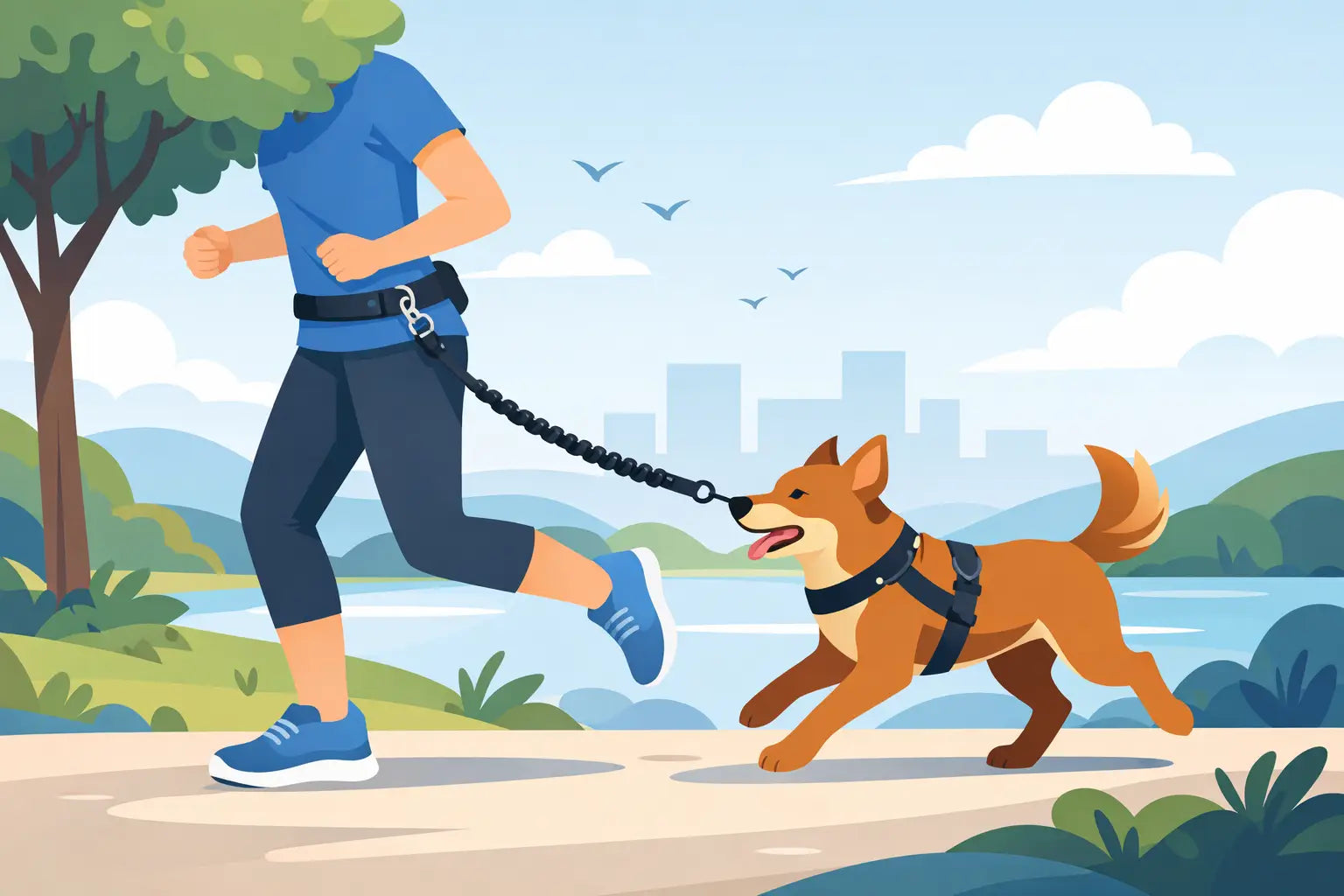
Your coffee is in one hand, your dog is ready to sniff every leaf on the block, and you still need to grab the stroller, phone, or treat pouch. That is exactly where a hands free dog leash can make everyday outings feel easier. Worn around your waist or across your body, it keeps your pup connected while giving your hands room for the rest of real life.
For many pet parents, this style of leash is a simple comfort upgrade. It can make neighborhood walks, weekend trails, jogging sessions, and errands with your four-legged sidekick more manageable. But the best choice depends on your dog’s size, pulling habits, training, and the places you walk together.
What Is a Hands Free Dog Leash?
A hands free dog leash is designed to attach to a belt, waist strap, or crossbody strap instead of staying in your hand. Most include an adjustable section that fits different body sizes, plus a clip that connects to your dog’s harness or collar. Some models have bungee sections to soften sudden tugs, while others feature handles, reflective stitching, storage pockets, or multiple attachment points.
The appeal is wonderfully straightforward: you stay connected to your dog without having to grip a leash every second. That extra freedom can be helpful when you are pushing a stroller, carrying groceries from the car, walking two well-matched dogs, or simply trying to enjoy a more natural stride on a run.
It is not a replacement for attention, though. You are still your dog’s guide, and a leash attached at the waist can make a surprise squirrel chase feel much stronger than one held loosely in your hand. A good setup combines the right gear with a dog that understands basic walking cues.
When a Hands Free Dog Leash Makes Sense
This leash style shines for dogs that can walk with reasonable manners and pet parents who want more flexibility. If your dog usually stays near you, responds when called, and does not launch toward every exciting smell, a waist leash may quickly become a favorite part of your daily routine.
Runners often appreciate the consistent pace a hands-free setup provides. Instead of switching the leash between hands or managing a loop while moving, you can focus on your footing and your breathing. Walkers may enjoy it for the same reason, especially on familiar routes where their dog has a calm, predictable rhythm.
It can also be a practical choice for family life. A parent taking a dog and child outside has plenty to manage. Keeping one hand available for a stroller, little hand, water bottle, or treat can make the outing feel less chaotic. That said, a hands-free leash should not be used as the only control point around busy roads, crowded parks, or unfamiliar dogs.
Choosing the Right Fit for Your Dog
The best leash is not automatically the longest, stretchiest, or most feature-packed one. Start with your dog’s body and behavior. A small, easygoing dog may be comfortable with a lighter leash and a shorter bungee section. A larger dog needs durable hardware, strong webbing, and a secure waist belt that will not slide or loosen when they change direction.
Match the leash to your dog’s pulling power
If your dog pulls hard, lunges, or reacts to other dogs, people, bikes, or wildlife, focus on training before relying on a hands-free design. Sudden force at your waist or hips can throw off your balance and may cause discomfort for both of you. A standard leash with a close-grip handle can offer more immediate control while you work on calm walking skills.
For a dog with mild pulling habits, a bungee section may help reduce the jolt of an unexpected tug. It should soften movement, not encourage pulling. The leash still needs a sturdy fixed section and a length that keeps your dog close enough for safe guidance.
Check the waist belt and hardware
An adjustable belt should sit securely around your waist or hips without pinching, rolling, or creeping upward as you walk. Test the buckle, clips, and adjustment points before every outing, particularly if your dog is strong or energetic. Metal clips and reinforced stitching are helpful signs of a leash built for regular use.
Pay attention to the attachment point, too. A swivel clip can help prevent twisting when your dog circles or changes sides. If you like to keep treats, keys, or waste bags nearby, a small built-in pouch can be convenient, but it should not make the belt bulky or uncomfortable.
Choose a length for where you walk
Longer leashes give dogs more room to explore, which can be lovely on open trails or quiet paths. In a neighborhood with driveways, cyclists, traffic, or lots of people, a shorter leash offers clearer control. Some hands-free designs include multiple length settings, making it easier to adjust from a relaxed park walk to a closer city stroll.
Reflective details are worth considering for early mornings and evenings. They are not a substitute for visibility lights or careful route choices, but they add a little extra notice when daylight is low.
Harness or Collar? A Comfort-First Choice
For most dogs, attaching a hands-free leash to a well-fitted harness is the more comfortable option. When a dog pulls against a collar, pressure lands around the neck. A properly fitted harness spreads that force across the chest and body, which can make walks gentler and easier to manage.
Look for a harness that sits snugly but allows full shoulder movement. You should be able to fit two fingers beneath the straps, and the chest piece should not rub under the front legs. Every dog is shaped differently, so take time to check the fit after a few minutes of walking, not only while your pup is standing still.
A front-clip harness may be useful for dogs learning not to pull, while a back-clip harness can work well for relaxed walkers and runners. The right option depends on your dog’s movement and training needs. If your pup has a medical condition, breathing concern, or history of neck or back pain, ask your veterinarian which walking setup is best.
How to Introduce a Hands Free Dog Leash
The first walk should not be a five-mile adventure. Begin in a quiet, familiar spot such as your yard, driveway, or a low-traffic sidewalk. Let your dog wear their harness, attach the leash, and practice a few short steps beside you. Use cheerful praise and a treat when they stay near your preferred side.
Keep the leash short enough that your dog cannot build speed before reaching the end. If they pull, stop moving rather than letting them drag you forward. When the leash softens, continue walking. This teaches a simple lesson: calm, connected walking gets them where they want to go.
Practice your turning cue, stop cue, and “leave it” cue before heading into more distracting places. A hands-free leash works best when your dog already understands that checking in with you is rewarding. Their curiosity does not need to disappear. It just needs to stay manageable.
Smart Safety Habits for Every Outing
A hands free dog leash gives you convenience, but it also means your body is part of the restraint system. Keep your center of balance in mind. Avoid wrapping extra leash around your hand, attaching the leash to a belt loop, or using it in situations where you may need to separate quickly from your dog.
Use extra caution near roads, water, steep terrain, and crowded events. Even the sweetest dog can be startled by a skateboard, a siren, or another animal. In those moments, a backup traffic handle or a leash with a close-control grip can be especially helpful.
Before leaving home, do a quick check: is the harness fitted correctly, is the clip fully closed, and is the waist belt secure? Bring water in warm weather, waste bags, and a few treats for positive reinforcement. Small preparations help keep walks happy, comfortable, and full of the good smells your dog has been waiting to investigate.
Make Every Walk Feel More Like Together Time
The right leash should support the kind of life you share with your dog, whether that means a fast morning jog, a slow sniff around the block, or a family walk after dinner. At My Pet Your Pet Our Pet, we believe everyday essentials should help pets feel cared for and help their people enjoy the moments right beside them.
Choose comfort, prioritize control, and give your dog time to learn the routine. Soon, those ordinary walks can become the part of the day when both of you get to breathe, move, and enjoy being together.

