

Cart
0
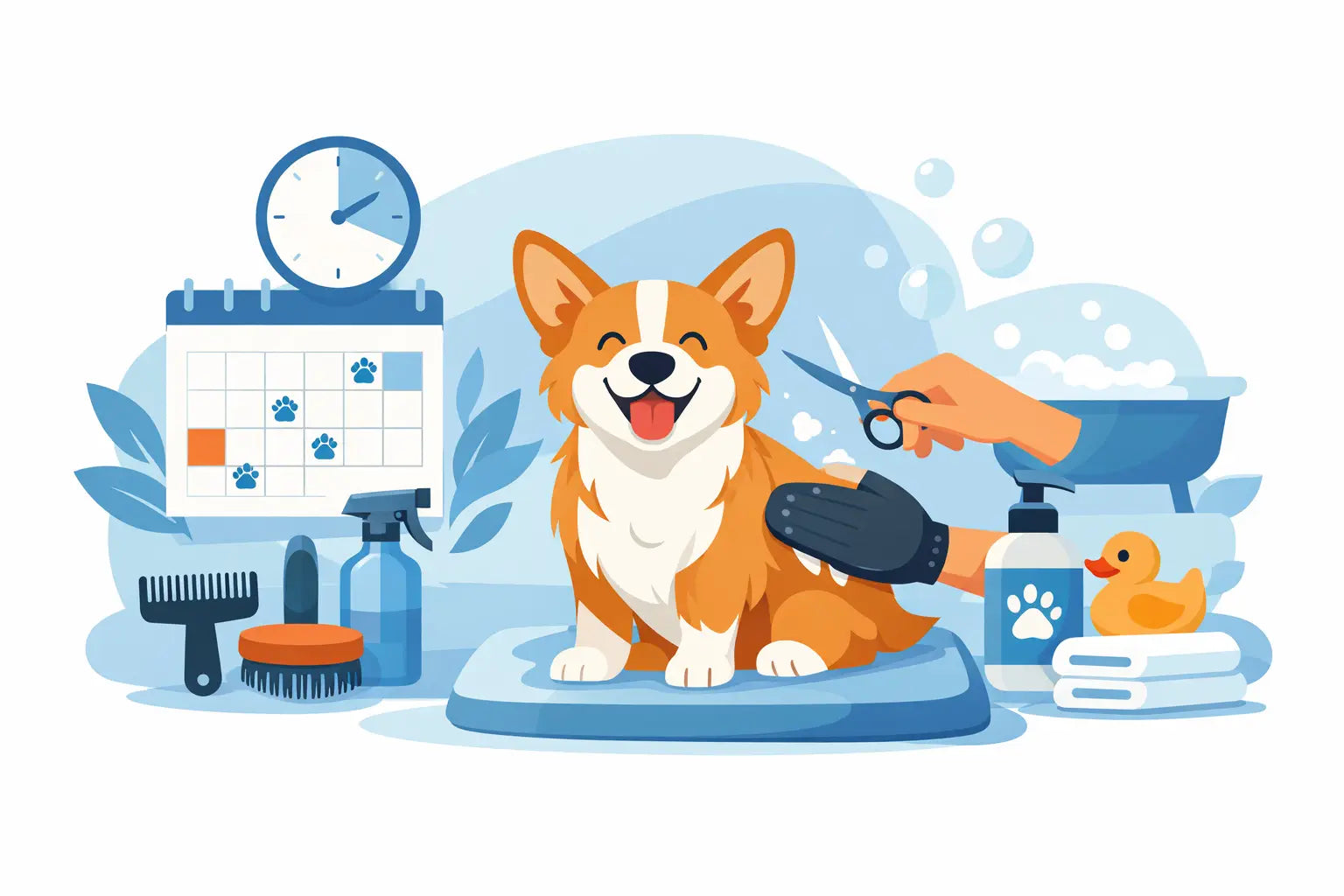
That fresh, fluffy feeling after a good brush is more than a cute bonus. Regular grooming helps your dog stay comfortable, keeps shedding under control, and gives you a chance to spot little changes in their skin, coat, ears, or paws. So, how often should you groom a dog? The honest answer depends on their coat, daily adventures, and individual needs - but a simple routine makes a big difference.
At My Pet Your Pet Our Pet, we believe everyday care is one more way to show your best friend they are loved. You do not need a complicated salon-level setup to get started. A few dependable grooming essentials, a calm approach, and the right schedule can keep your pup looking and feeling their best.
How Often Should You Groom a Dog Based on Coat Type?
Your dog's coat is the biggest factor in deciding how often to brush, bathe, and book professional grooming. A smooth-coated Beagle and a curly-coated Poodle may both be wonderful family dogs, but their grooming needs are very different.
Short, smooth coats
Dogs with short coats, such as Boxers, Pugs, Beagles, and many mixed breeds, usually do well with brushing once a week. A soft bristle brush or grooming glove can lift loose hair, spread natural oils, and turn shedding season into less of a fur-filled surprise on the couch.
These dogs generally need a bath about every four to eight weeks, unless they get into mud, roll in something questionable, or have a veterinarian-recommended skin-care routine. Bathing too often can dry out skin, so use a gentle dog shampoo rather than human products.
Medium and double coats
Golden Retrievers, German Shepherds, Huskies, Corgis, and other double-coated dogs benefit from brushing two to three times a week. During spring and fall shedding seasons, daily brushing may be the kindest choice for both your dog and your floors.
Their outer coat helps protect them from weather, while the undercoat sheds heavily at certain times of year. A slicker brush, undercoat rake, or deshedding tool can help remove loose fur carefully. Avoid shaving a double-coated dog unless your veterinarian recommends it for a medical reason. Their coat plays a role in temperature regulation and skin protection.
Long, silky, curly, or continually growing coats
Dogs with long or curly hair need the most frequent attention. Breeds such as Shih Tzus, Yorkies, Maltese, Poodles, Doodles, and Bichons often need brushing every day or at least every other day. Mats can form quickly behind the ears, under the collar, in the armpits, around the tail, and between the legs.
Most dogs in this group also need professional grooming every four to eight weeks, depending on the haircut you prefer and how quickly their coat grows. A shorter clip can make home maintenance easier, while a longer style usually requires more frequent brushing and detangling. Neither option is wrong - choose the routine you can comfortably keep up with.
A Dog Grooming Schedule for More Than Fur
Grooming is not only about the coat. Nails, ears, teeth, and paws need regular attention, too. Think of these as small check-ins that help prevent discomfort before it becomes a bigger problem.
Nails should usually be trimmed every three to four weeks. If you hear clicking as your dog walks across a hard floor, their nails may be due for a trim. Some active dogs naturally wear their nails down more than others, but dewclaws often still need attention. If nail trimming makes either of you nervous, start with one nail at a time and reward generously, or ask a professional groomer or veterinarian for help.
Check ears once a week, especially for floppy-eared dogs, swimmers, or pups with lots of hair around the ear canal. Healthy ears should not have a strong odor, excessive wax, redness, or discharge. Clean only the visible outer area with a pet-safe ear cleaner when needed. Never push cotton swabs deep into the ear.
Dental care works best as a routine rather than a once-in-a-while fix. Brushing your dog's teeth several times a week is a great goal, and daily is even better when your dog accepts it. Use toothpaste made for dogs, not human toothpaste. Dental chews and toys can support a care routine, but they do not replace brushing or veterinary dental exams.
Paws deserve a quick look after walks, hikes, rainy-day adventures, or time on hot pavement. Check between the toes for burrs, small cuts, cracked pads, or packed snow and ice. Keeping hair around the paws neatly trimmed can also help long-haired dogs move comfortably and reduce slipping indoors.
When Does Your Dog Need a Bath?
A dirty dog is not always a dog that needs a full bath. If your pup has a little dust on their coat or smells faintly like the great outdoors, brushing them first may be enough. Spot cleaning muddy paws, wiping around the mouth after meals, and washing bedding regularly can stretch the time between baths.
Most healthy dogs need a bath every one to three months, with exceptions for coat type, lifestyle, allergies, and skin conditions. A city pup who mostly naps on the sofa may need fewer baths than a trail-loving dog who finds every puddle. Dogs with medical skin concerns should follow the schedule and products recommended by their veterinarian.
Use lukewarm water, dog shampoo, and a non-slip surface. Rinse thoroughly, because leftover shampoo can irritate the skin. Then towel dry well and keep your dog warm until their coat is fully dry. For thick or long coats, a pet-safe dryer can be helpful, but introduce the sound slowly so bath time stays positive.
Signs Your Grooming Routine Needs to Change
Your dog's routine should flex as their coat, age, and lifestyle change. A puppy may need short, cheerful practice sessions before they need much actual grooming. A senior dog may need gentler brushing and more frequent help keeping their rear, paws, and nails clean.
Watch for tangles that return quickly, a coat that looks dull or oily, constant scratching, scooting, head shaking, or a strong odor from the ears or skin. These signs do not always mean your dog simply needs more grooming. They can point to allergies, parasites, infection, or another health concern that deserves a veterinarian's guidance.
Mats are especially worth taking seriously. They pull on the skin and can hide irritation, moisture, or sores underneath. Do not try to cut tight mats out with household scissors, since skin can easily be caught in the blades. A professional groomer can safely assess the situation and recommend the gentlest next step.
Make Grooming Feel Like Quality Time
The best schedule is one your dog can learn to enjoy. Start with a few minutes of brushing after a walk or before bedtime. Keep treats nearby, speak softly, and stop before your dog gets overwhelmed. With time, many dogs begin to see the brush, nail trimmer, or towel as a sign that good things are coming.
Set up a simple grooming basket with the tools you use most: a brush suited to your dog's coat, dog shampoo, nail clippers or a grinder, ear cleaner, towels, and a few favorite treats. Having everything in one place makes routine care faster on busy days and helps you notice when supplies need replacing.
Your dog does not need perfection to feel cared for. A few calm minutes of brushing, a regular nail check, and a bath when it is truly needed can add up to a happier, more comfortable companion - and more cozy moments together, yours, mine, and ours.

