

Cart
0
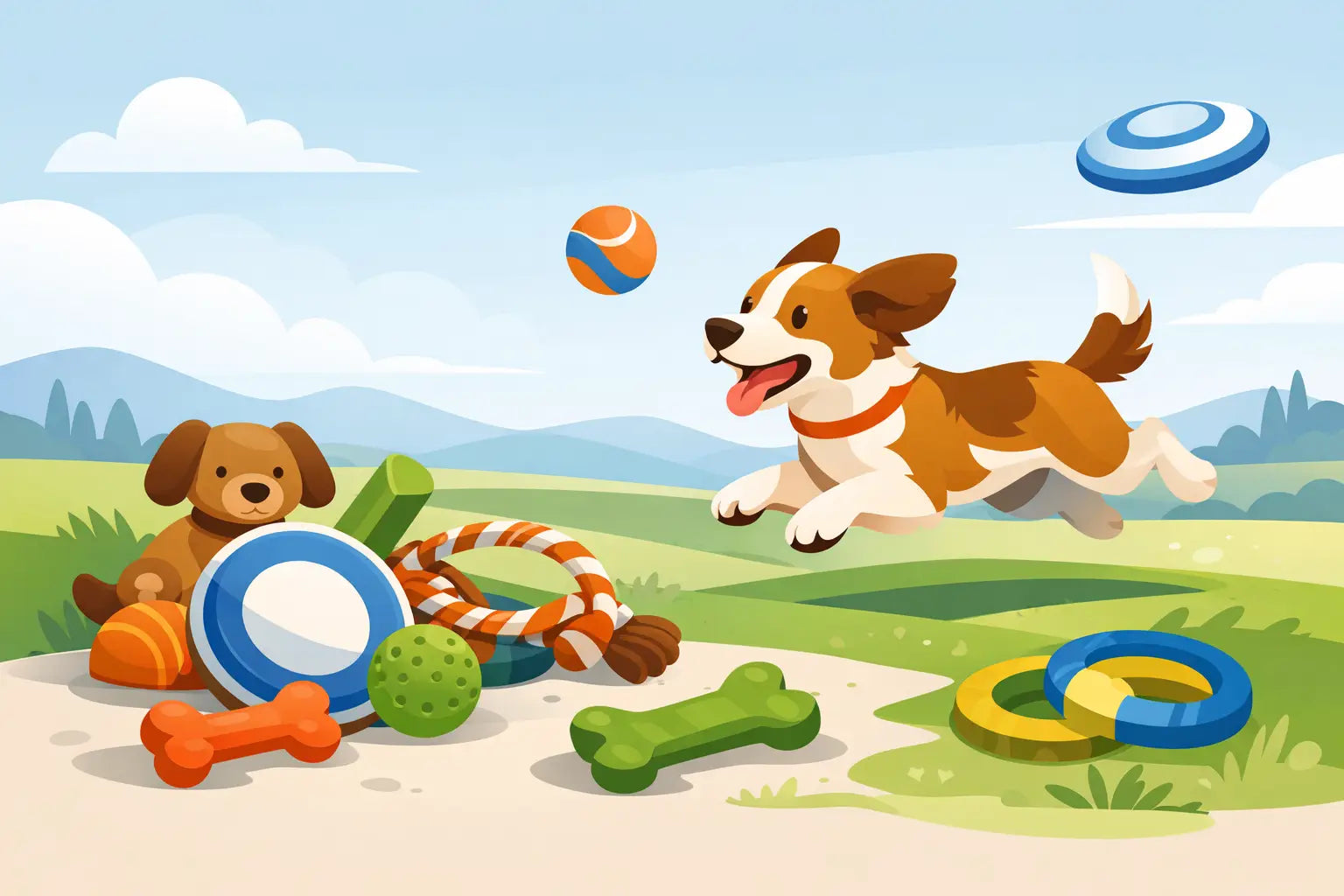
A great game of fetch is more than tossing the nearest ball across the yard. The best dog toys for fetch give your pup a reason to run, focus, return, and play again with that whole-body happy wiggle. Whether your dog is a backyard sprinter, a beach-loving retriever, or an apartment pup with energy to spare, the right toy can turn an ordinary break into their favorite part of the day.
Fetch also looks different from dog to dog. Some pups want a bouncy ball they can chase at top speed. Others prefer a soft disc, a squeaky plush, or a toy that is easy to spot in tall grass. Choosing with your dog's size, play style, and chewing habits in mind helps keep every toss safer and more fun.
What Makes the Best Dog Toys for Fetch?
The best fetch toy is one your dog can see, chase, carry, and comfortably bring back. That sounds simple, but the little details make a big difference. A toy that is too small can be unsafe for a large dog, while an oversized or heavy toy may be frustrating for a tiny pup to pick up. Look for a size that your dog can hold securely without trying to swallow it.
Material matters, too. Rubber toys often offer bounce and durability, making them a favorite for enthusiastic players. Soft fabric toys are gentler for indoor games and dogs with sensitive mouths, but they may not stand up to serious chewing. Floating materials are a smart choice for water-loving dogs, while bright colors can make a toy much easier to find at the park or in the backyard.
The best choice is not always the toughest toy on the shelf. If your dog loves to chase but rarely chews, a lightweight flyer or plush fetch toy may bring far more joy than a dense rubber ball. Match the toy to the game your dog actually likes to play.
10 Fetch Toy Styles Dogs Love
1. Classic rubber balls
A rubber ball is a fetch-day staple for good reason. It bounces unpredictably, travels well, and fits easily into a game at the park, in the yard, or down a hallway. Choose a dog-specific ball in an appropriate size rather than relying on household sports balls, which may split, become slippery, or be too small for larger dogs.
For pups who chew while they wait for the next throw, a thicker rubber ball may last longer. Softer rubber can be kinder to teeth and gums, especially for gentle players or senior dogs.
2. Tennis-style dog balls
Dogs recognize the familiar shape, fuzzy texture, and lively bounce of a tennis-style ball. These are especially fun for dogs that enjoy fast, repetitive chases. Look for options made for dogs, with sturdy materials and pet-safe construction.
Keep an eye on the fuzzy covering as the toy ages. Once it becomes badly worn or starts peeling, it is time to swap it for a fresh one. A favorite fetch toy should feel exciting, not worn out.
3. Flying discs and soft flyers
For dogs that love a challenge, a flying disc adds airtime to the game. It encourages jumping, tracking, and impressive midair catches. Soft, flexible flyers can be a gentler starting point for dogs that are new to disc play or have sensitive mouths.
Hard plastic discs may fly farther, but they are not the best fit for every dog. If your pup catches with lots of enthusiasm, a softer design can be easier on their mouth. Start with low, easy tosses and save high leaps for dogs that have the coordination and conditioning for them.
4. Rope balls and toss toys
Rope toys with a ball or knot at the end are easy to grab and can travel farther than a ball alone. They are a fun pick for dogs who like a little tug mixed into their fetch routine. Toss it, let your dog bring it back, then enjoy a quick, gentle game of tug before the next throw.
Rope fibers can fray over time, so inspect these toys regularly. Remove a rope toy when loose strands become excessive or your dog starts pulling off and swallowing pieces.
5. Squeaky fetch toys
Some dogs need a little extra encouragement to bring the toy back. A squeak can make the return trip much more rewarding, especially for dogs with a strong interest in sounds and movement. Squeaky balls, soft toys, and rubber shapes add an extra layer of excitement to short play sessions.
The trade-off is that squeakers can wear out, and determined chewers may try to get to the noise inside. Supervise play and choose a toy built for your dog's level of enthusiasm.
6. Floating water toys
A lake, pool, or beach day calls for a toy that stays on the surface. Floating fetch toys are usually bright, lightweight, and easy for a wet dog to spot. Some are shaped like bumpers or rings, which give dogs a comfortable grip after a swim.
Skip heavy toys that sink or become difficult to carry when wet. Even confident swimmers benefit from shorter throws at first, particularly in moving water. Fresh drinking water and rest breaks are always part of a happy water-play plan.
7. Treat-dispensing fetch toys
A toy that rewards your dog with a small treat can make fetch especially appealing for beginners. These toys combine the excitement of a chase with a little extra motivation to pick up and return the prize. They can also help hold the attention of dogs that lose interest after a few throws.
Use treats thoughtfully. A few small pieces are plenty for a training session, and the toy should still be easy for your dog to carry. If a treat toy is too heavy or awkward, it may work better as a quiet enrichment activity than a fetch toy.
8. Plush toss toys
Not every game of fetch needs a hard bounce. Plush toys are wonderful for gentle indoor play, puppy fetch, and dogs that prefer to carry something soft. A long plush toy can be especially easy for a small dog to grab, while a lightweight stuffed animal can make a cozy living-room toss feel special.
Plush is not usually the first choice for powerful chewers. If your dog likes to tear seams or remove stuffing, reserve soft toys for supervised fetch sessions and choose more durable options for independent play.
9. Fetch sticks made for dogs
Real sticks can splinter, lodge in a dog's mouth, or cause painful injuries. A purpose-made fetch stick gives your dog that satisfying stick shape without the same risks. Many are easier to spot outdoors and more comfortable to hold than a rough branch.
This style is a natural winner for dogs that head straight for a fallen branch on every walk. It gives them the familiar fun of a stick chase while helping you make a safer choice.
10. Ball launchers
A launcher is not a toy your dog carries, but it can completely change the fetch experience. It helps you throw farther with less effort and keeps your hands cleaner after a muddy, slobbery return. For high-energy dogs with a secure outdoor space, that extra distance can help burn off some serious zoomies.
Choose balls that fit the launcher correctly, and do not push your dog to sprint until exhausted. A few joyful rounds with breaks for water and sniffing are often better than one marathon session.
Pick the Right Size and Strength Level
Your dog's mouth is the best guide. Small dogs usually need a toy they can lift easily, while large dogs need a size that cannot disappear too far into the mouth. Puppies may do best with softer, lighter options as they learn to retrieve. Adult dogs with powerful jaws may need thicker rubber or reinforced designs, but even durable toys are not indestructible.
Pay attention to how your dog plays. A dog that gently carries a ball back needs something different from a dog that chews it intensely between every throw. If your pup loves fetch but destroys most toys, use the toy specifically for active, supervised games and put it away afterward. This can make a favorite toy last longer while keeping it special.
Make Fetch Safer and More Fun
Before play, check the toy for cracks, missing pieces, loose seams, and sharp edges. Replace damaged toys rather than hoping they will survive one more session. Also consider the surface under your dog's paws. Grass, packed dirt, and open indoor space are generally kinder than slick floors, busy streets, or hard pavement in hot weather.
Keep sessions upbeat and short enough that your dog wants more. Calling your dog back with praise, using a cheerful voice, and occasionally trading the toy for a treat can build a stronger return habit. Avoid chasing your dog if they run off with the toy. Turn it into a fun invitation to come back instead.
A quick rinse after muddy park trips and regular cleaning after drooly indoor games will help keep fetch toys fresh. Having a small rotation also helps: one toy for the yard, one for the water, and one for indoor play gives your dog something new to get excited about without filling every corner of the house.
The right fetch toy is the one that makes your dog light up when you reach for it. Choose a safe size, follow your pup's lead, and make room for those simple, joyful moments of run, return, and one more throw.

