

Cart
0
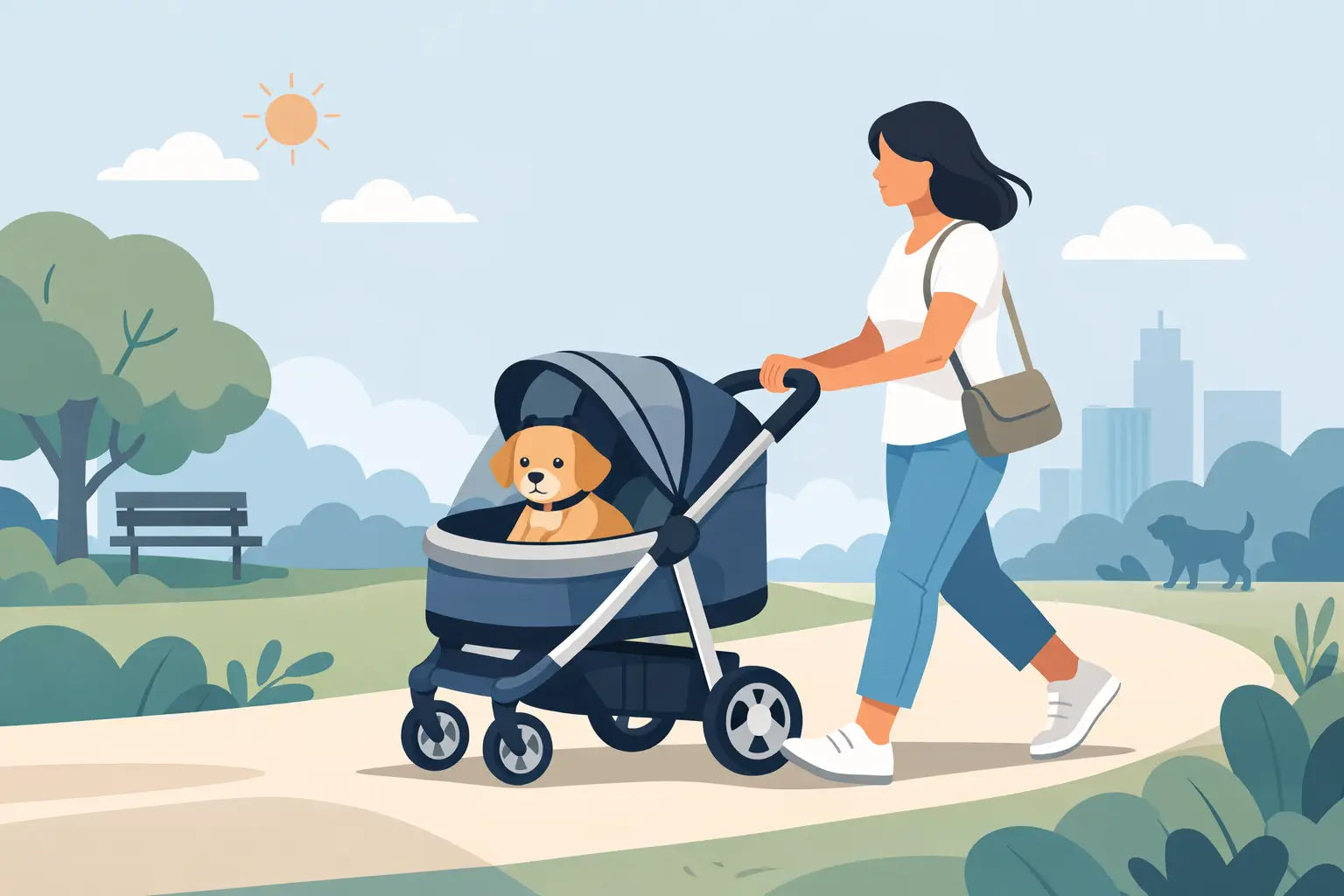
A walk does not have to end when your dog slows down. Dog strollers help beloved pups stay part of the neighborhood loop, the farmers market visit, or a family afternoon at the park, even when their legs need a little extra care. For many pet parents, that means fewer sad puppy eyes at the door and more happy time together.
A stroller is not about treating your dog like a baby. It is about meeting them where they are. A tiny dog may struggle with long distances, a senior dog may tire halfway through a usual route, and a recovering pup may need fresh air without the strain of a full walk. The right stroller gives them a cozy, secure seat while keeping everyday adventures possible.
When Dog Strollers Make Sense
Dog strollers can be a wonderful choice for pets at many life stages. Senior dogs with arthritis, joint stiffness, weaker vision, or reduced stamina often still love the smells, sounds, and social moments of an outing. A stroller lets them walk at their own pace, then rest when they have had enough.
They are also useful for small breeds whose short legs cannot comfortably keep up on long routes. A Chihuahua, Yorkie, or Maltese may be energetic at home but become exhausted on a busy day out. For puppies, a stroller can provide a safer way to experience new places before they are ready for long walks or fully protected through their vet-recommended vaccination schedule.
Recovery is another common reason. If your veterinarian has advised limited activity after an injury or procedure, a stroller can help your dog enjoy a change of scenery while you follow those instructions. Always check with your vet first, especially after surgery or when your dog has a heart, breathing, or mobility condition.
There is a practical side, too. Crowded festivals, hot pavement, rough trails, and long shopping areas are not ideal for every dog. A stroller can give your pup a break from heat, foot traffic, and overstimulation. It does not replace regular exercise for healthy dogs who need it, but it can make a long day more manageable.
Choosing a Dog Stroller That Fits Your Pup
The cutest color or sleekest frame should come after fit and safety. Start with your dog’s current weight, then compare it with the stroller’s stated weight limit. Give yourself some room rather than choosing a model that only just supports your dog. A stroller designed for a 20-pound dog should not be carrying a 20-pound dog plus a blanket, water bottle, and favorite toy every weekend.
Interior space matters just as much. Your dog should be able to sit upright, turn around, and lie down comfortably. Measure your pup while standing from the ground to the top of their head and while lying down from chest to hindquarters. A roomy carriage may be especially helpful for dogs that like to stretch out or need to change positions often.
Think about where you will roll
A lightweight stroller with smaller wheels can be a smart pick for smooth sidewalks, indoor events, and quick errands. It is easy to fold, lift into the car, and store near the entryway. If your outings include gravel paths, uneven sidewalks, or park trails, look for larger wheels and sturdy suspension. Those features can create a gentler ride, but they often make the stroller heavier and take up more trunk space.
Maneuverability deserves attention. Swivel front wheels make corners and crowded walkways easier to handle, while a locking front wheel can add stability on straighter routes. A comfortable handle height is helpful if more than one person in the household will use the stroller. Brakes are a must, particularly on hills, near curbs, or whenever you stop to chat.
Look closely at the cabin
Mesh windows let your dog see the world and encourage airflow. A canopy gives welcome shade, while zippered openings make it easier for your pup to climb in and out. A removable, padded liner is a bonus because muddy paws and shed fur are part of life with dogs.
Many strollers include storage underneath or behind the handle. That space is handy for a water bowl, treats, waste bags, a leash, and a light blanket. Keep the heaviest items low in the storage basket so the stroller remains balanced. Hanging a loaded tote bag from the handle can cause tipping, even with a well-made frame.
Safety Comes Before the Scenic Route
A secure stroller should have a fully enclosed compartment and built-in tethers that attach to your dog’s harness. Use a harness rather than a collar. If your dog jumps or pulls unexpectedly, a collar attachment can put pressure on their neck. The tether should be short enough to prevent a leap out but long enough for your dog to sit and lie down without feeling restricted.
Before the first real outing, test the stroller at home. Check the brakes, zippers, wheel locks, and frame. Take note of how the stroller feels when your dog shifts their weight. Then practice rolling it slowly over a smooth surface. Your dog may be calm inside but react differently when wheels start moving, so a little preparation goes a long way.
Watch the weather, too. Mesh helps with ventilation, but a stroller can still get warm quickly in direct sun. Bring water, seek shade, and keep outings short during hot or humid weather. In cold conditions, use a soft blanket if your dog enjoys it, but make sure they still have plenty of airflow. Never leave your dog in a parked stroller unattended.
Not every public space allows strollers or pets, and rules vary. Check ahead before visiting a store, event, restaurant patio, or attraction. Even in pet-friendly places, give other people and dogs room to pass. A stroller keeps your pup contained, but good manners still make the outing more enjoyable for everyone.
Help Your Dog Love the Ride
Some dogs hop right in. Others need time to decide that this strange wheeled bed is safe. Start by leaving the stroller open in a familiar room with a favorite blanket or toy inside. Let your dog investigate without pressure. A few treats placed inside can build a positive association.
Once your dog is comfortable entering, close the canopy or mesh for a few seconds, then open it again and reward calm behavior. Move on to a short push around the house or driveway. Keep your voice relaxed and your first sessions brief. If your dog pants heavily, whines, freezes, or repeatedly tries to escape, slow down and return to an easier step.
For the first neighborhood outing, pair stroller time with short walking breaks if your dog can walk safely. This helps active dogs understand that the stroller is part of the adventure, not a punishment or a trip to the vet. Bring a familiar toy and offer praise when your pup settles in.
Make Every Outing More Comfortable
A few small habits can make dog stroller outings feel easy. Pack water on every longer trip, especially in warm weather. Add a washable pad or blanket for comfort, and keep waste bags within reach. If your dog is nervous around crowds, choose quieter times of day and gradually build up to busier settings.
Remember that a stroller is a support tool, not a reason to skip your dog’s needs. Healthy pups still benefit from sniffing, walking, play, training, and time to explore at their own pace. The balance depends on your individual dog. A senior pup may need frequent rides with gentle sniff breaks, while a young small-breed dog may only need the stroller for the final mile.
After each outing, brush off dirt, wipe the wheels, and check the cabin for crumbs or damp spots. Regular care keeps the ride fresh for your dog and ready for the next spontaneous adventure.
Your dog does not need to retire from the fun just because they need a little help getting there. With thoughtful sizing, safe setup, and plenty of love, a stroller can turn ordinary errands and fresh-air breaks into shared moments worth wagging about. At My Pet Your Pet Our Pet, we believe those moments belong to yours, mine, and ours.

