

Cart
0
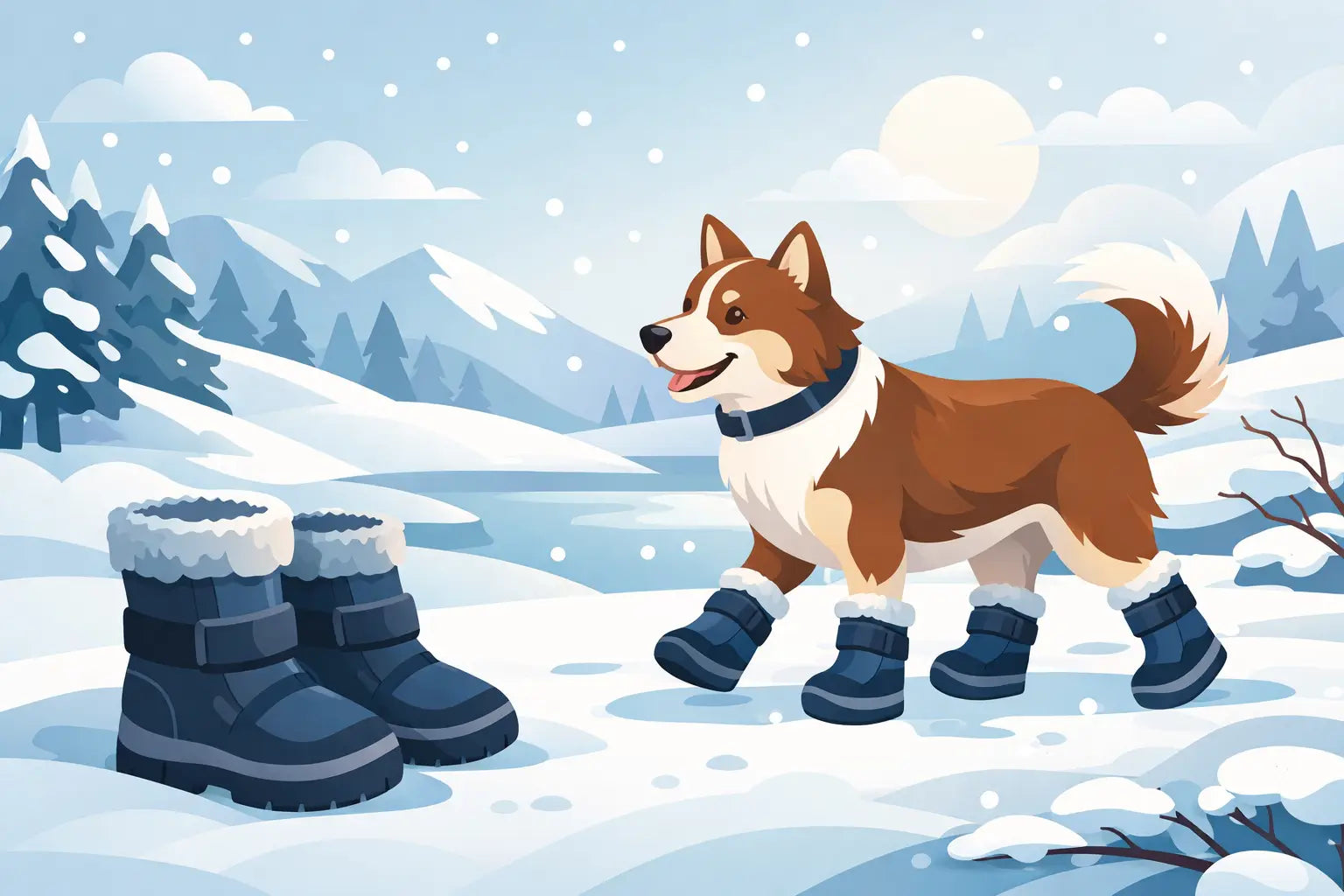
A frosty sidewalk can feel much harsher on your dog’s paws than it does through your own winter shoes. The best dog winter boots help protect those hardworking paws from icy surfaces, packed snow, road salt, and winter grime, so your pup can keep enjoying the walks, playtime, and fresh air they love.
Not every dog needs boots for every chilly day. A quick backyard break on dry grass is different from a long walk over salted city sidewalks, for example. But when conditions are rough, a well-fitting pair can make a real difference in your dog’s comfort. The secret is choosing boots that suit your dog’s paws, routine, and local weather - then giving them a little time to get used to their new gear.
What Makes the Best Dog Winter Boots?
The best dog winter boots are not simply the thickest or cutest pair. They stay on, allow your dog to walk naturally, and create a protective barrier between their paws and the ground. For most families, a flexible boot with a grippy sole, adjustable closure, and comfortable upper is a smart place to start.
Look first at the outsole. Rubber or textured soles help give dogs traction on slick sidewalks, frozen grass, and light snow. A sole that is too stiff may feel awkward, especially for smaller dogs or seniors, while a sole with no grip can slide around when the ground is wet. Your dog should be able to bend their paws and move comfortably without skidding.
The upper material should match the weather you actually face. Water-resistant fabric works well for damp sidewalks and short snowy walks. For deeper snow or slushy conditions, a more waterproof design helps keep paws drier. Soft fleece or a light lining can add warmth, but a bulky insulated boot is not always better. Active dogs can warm up quickly, and overly thick boots may make it harder for them to move with confidence.
A secure closure matters just as much as warmth. Adjustable straps around the ankle or lower leg help prevent boots from twisting or flying off halfway through the walk. Avoid closures that rub against the dewclaw or pinch the leg. The right boot should feel snug enough to stay in place, never tight enough to leave marks.
Choose Winter Boots for Your Dog’s Everyday Adventures
A small dog going out for ten minutes in a quiet neighborhood has different needs than a large, energetic dog who joins the family on snowy trails. Think about where your dog spends time before choosing a style.
For salted sidewalks and neighborhood walks
Road salt and de-icing chemicals can irritate paw pads, particularly when dogs lick their feet after coming inside. A lightweight, water-resistant boot with a durable sole is usually a great match for daily walks. It protects against salt while staying flexible enough for a natural stride.
If your dog is new to boots, this is often the easiest style to introduce. It does not need to be extremely thick, but it should cover the paw securely and have straps you can adjust as needed.
For snow, slush, and wet conditions
When snow is deep or melting into slush, look for boots with a taller upper and a closure that sits above the paw. This can help keep snow from working its way inside. A water-resistant or waterproof outer layer is especially helpful here, although no boot will stay perfectly dry after extended time in deep, wet snow.
Long-haired dogs may need a little extra attention. Trim any fur that hangs over the paw pads if it collects snowballs, and make sure hair is not caught in the straps. A smooth, comfortable fit is more likely to stay put.
For hiking, running, and energetic dogs
Dogs who move fast need traction and dependable security. Choose a boot with a sturdy sole and more than one adjustable point if possible. Check the fit after a few minutes of movement, because a boot that seems secure while standing can loosen when your dog starts running.
For serious outdoor adventures, consider carrying a spare boot in your pocket or pack. Even a quality boot can get snagged on brush, buried in soft snow, or kicked loose during an enthusiastic zoomie session.
For senior dogs and sensitive paws
Older dogs may benefit from boots that provide a little more grip on slick surfaces, but their comfort comes first. Choose lightweight options with flexible soles and easy closures. If your senior dog has arthritis, moves cautiously, or dislikes anything touching their legs, begin with short indoor practice sessions and keep outdoor wear brief at first.
Dogs with cracked, tender, or recently injured paw pads may also need extra protection from cold pavement. Boots can help, but ongoing soreness, limping, redness, or excessive licking deserves a call to your veterinarian.
How to Measure for Dog Winter Boots
Sizing is where many boot purchases succeed or fail. Do not guess based only on breed or weight. A stocky French Bulldog, a long-legged Whippet, and a mixed-breed rescue of the same weight can have very different paw shapes.
Measure your dog while they are standing on a piece of paper. Gently place weight on the paw, mark the widest points, then measure the width. Check the product’s size chart and follow its directions, since some brands size by width while others use both width and length. Measure all four paws when possible. Front paws are often slightly wider than back paws, and some dogs need two different sizes.
Before heading out, do a simple fit check:
- The paw sits flat in the boot without toes curling or pressing forward.
- The closure feels secure, but you can still slide a finger beneath the strap.
- The boot does not twist, slip down, or rub against the dewclaw.
- Your dog can take normal steps and bend their legs freely.
Help Your Dog Learn to Love Their Boots
The famous high-stepping boot walk is funny for about ten seconds. It is also normal. Most dogs need a little practice before boots feel ordinary, especially if they have never worn clothing or paw protection before.
Start indoors with one boot for a minute or two. Offer praise, a favorite treat, or a short game so your dog connects the boot with something positive. Add the other boots gradually, then encourage a few relaxed steps across a familiar floor. Keep your voice cheerful and your sessions short.
Once your dog can walk indoors comfortably, try a brief outdoor trip on a dry, calm day. Increase the time slowly. If your dog freezes, chews at the boots, or looks uncomfortable, do not force a long walk. Check for a twisted boot, a too-tight strap, or a size issue, then return to shorter practice sessions.
Some dogs will accept boots after one outing. Others need several days. Patience pays off, and the goal is not a fashion moment - it is a comfortable dog who can move safely through winter weather.
Winter Paw Care Still Matters
Boots are wonderful helpers, but they are only one part of cold-weather care. After every winter outing, remove the boots and check between your dog’s toes for packed snow, ice, salt, or dampness. Wipe paws with a soft towel and dry them thoroughly, especially around the pads.
Inspect the boots, too. Rinse off salt and mud when needed, let them air-dry fully, and check straps and soles for wear. A clean, dry pair is more comfortable on the next walk and lasts longer through the season.
Watch how your dog responds to the cold. Shivering, lifting paws repeatedly, slowing down, or trying to head home can mean the weather is too uncomfortable, even with boots on. Shorter, more frequent potty breaks and indoor play can be the kinder choice during a cold snap.
Winter should not put a pause on the little moments your dog looks forward to: sniffing the neighborhood, bounding through fresh snow, and walking beside their favorite people. Choose boots that fit their life, introduce them with patience, and keep those paws clean after every adventure. At My Pet Your Pet Our Pet, we believe every outing deserves comfort, care, and a little extra love.

