

Cart
0
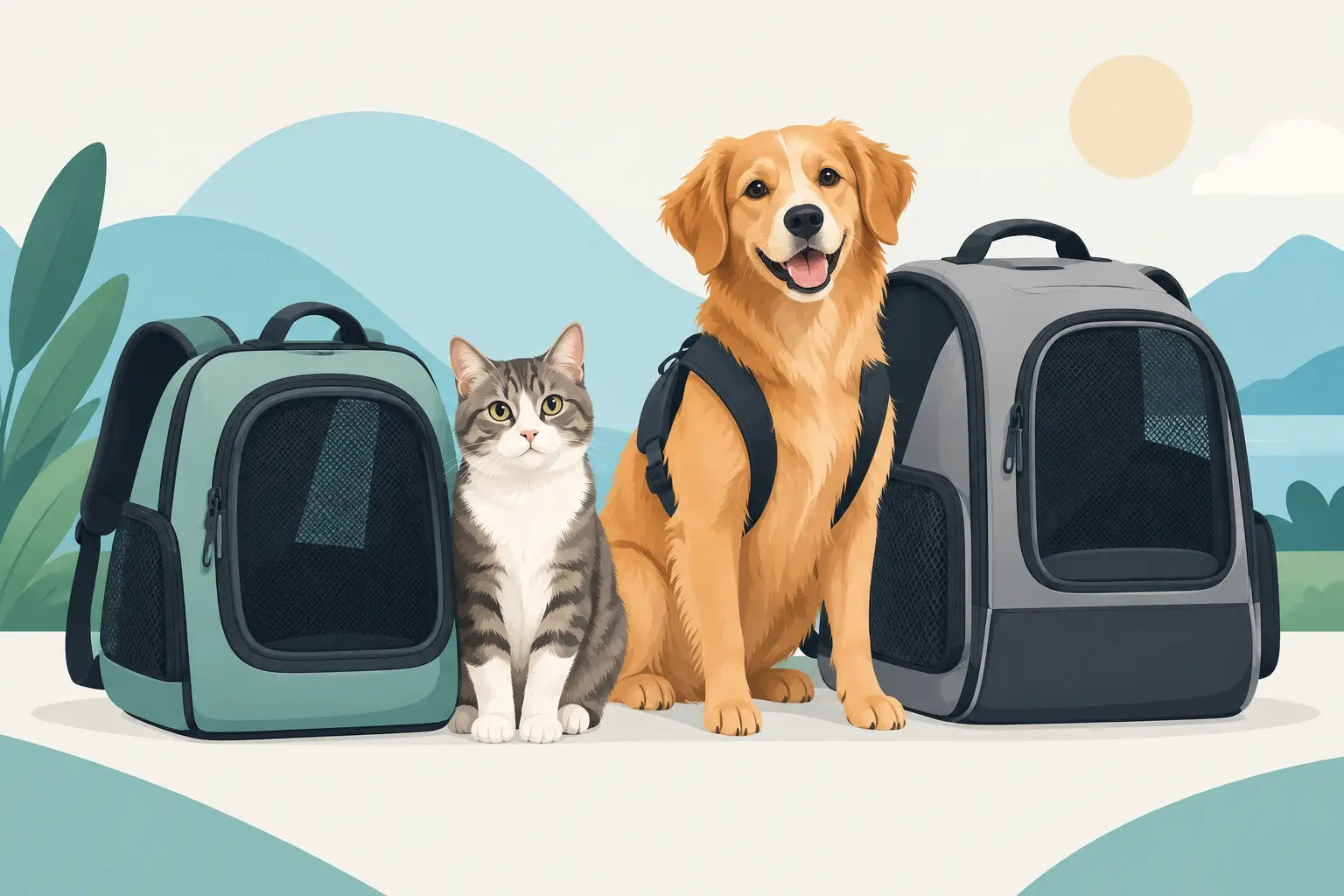
A carrier backpack can turn a wiggly walk from the car, a busy errand, or a weekend outing into a calmer moment for both of you. The best pet carrier backpacks give cats and small dogs a cozy, secure place to ride while keeping your hands free for doors, bags, and all the little things pet parents carry.
But a cute backpack is not automatically a comfortable one. Your pet's size, personality, travel needs, and comfort level matter far more than a trendy shape or bright color. A shy cat may prefer a covered, structured design, while a curious small dog may enjoy a roomy backpack with a clear viewing panel. The right pick should feel like a safe little home away from home.
What Makes the Best Pet Carrier Backpacks?
Start with fit. Your pet should be able to sit up naturally, turn around, and lie down without being squeezed into an awkward position. Measure from the floor to the top of your pet's head while sitting, then compare that number with the carrier's interior height. Also measure their length from chest to rump and check the interior depth.
Weight limits matter, but they are only one part of the decision. A carrier may technically hold your pet's weight yet still feel cramped if your pet is long-bodied, broad-chested, or simply likes extra personal space. When in doubt, choose comfort over a tight fit.
Ventilation is another must-have. Look for multiple mesh panels, airflow openings, or breathable sides that let fresh air circulate. Clear bubble-style windows can be fun for pets that like to look around, but they should never replace proper ventilation. For warm-weather outings, airflow should be your first priority.
A secure closure keeps an adventurous pet safely inside. Quality zippers, locking zipper clips, and a built-in safety tether are all helpful features. The tether should attach to a harness, not a collar, so a sudden pull does not put pressure on your pet's neck.
Choose a Backpack Style for Your Pet's Personality
There is no single best style for every cat or dog. Think about where you are going and how your pet responds to new sights, sounds, and people.
Structured backpacks for steady support
A structured pet backpack holds its shape and gives your companion more reliable room to settle. This is often a smart choice for cats and small dogs who need a stable base during walks, public transportation, or longer trips. Look for a firm bottom panel and soft, removable padding that is easy to clean after everyday adventures.
Structured options can weigh a little more than soft-sided carriers. Still, the extra support can be worth it for pets who get uneasy when a carrier shifts around.
Mesh backpacks for airflow and easy visibility
Mesh-sided backpacks are a lovely fit for pets that enjoy watching the world pass by. They offer ventilation and can help your pet see and hear you, which may be reassuring in a new environment. Choose durable mesh that will hold up to claws, especially for cats who may paw at the sides when they are unsure.
These carriers are great for mild days, but a very exposed design may not suit a nervous pet. If your cat hides whenever the doorbell rings, a carrier with a privacy flap or more covered sides may help them feel more secure.
Expandable backpacks for rest breaks
Expandable designs include a zip-open section that creates more floor space once you stop moving. They can be especially useful for road trips, airport waiting areas where permitted, or visits with family. Your pet gets a little extra room to stretch without needing a separate travel crate.
The trade-off is bulk. Check that the expansion panel closes securely and that the backpack still fits comfortably against your body when it is packed up.
Front-facing carriers for close comfort
Some smaller carriers are designed to be worn on the front of your body. These can be sweet for very small, calm pets who like staying close to their person. They also make it easier to keep an eye on your companion.
For longer walks, though, a back-worn carrier usually distributes weight more comfortably. A front carrier can also feel restrictive if your pet is tall or if you need room to move freely.
Comfort Details That Make a Real Difference
Your comfort matters too. Padded shoulder straps, an adjustable chest strap, and a supportive back panel can prevent the carrier from bouncing or pulling as you walk. The backpack should sit close to your body, not hang low against your hips. A balanced fit helps your pet feel steadier and helps you avoid sore shoulders.
Inside, a washable cushion or padded base gives your pet a softer place to rest. Add a familiar small blanket if there is room, especially for a cat who finds comfort in familiar scents. Avoid overstuffing the carrier, since extra items can reduce airflow and usable space.
For quick outings, a built-in pocket can be wonderfully practical. It gives you a place for waste bags, a collapsible water bowl, treats, or a small toy. Keep treats modest if your pet tends to get motion sick, and offer water during breaks rather than trying to manage a bowl while walking.
How to Help Your Pet Love Their New Backpack
Even the coziest carrier can feel suspicious on day one. Introduce it at home, where your pet already feels safe. Set it on the floor with the door open, add a favorite blanket, and let your pet investigate at their own pace.
Use treats, praise, or a favorite toy to create a happy association. Do not zip your pet inside immediately or force them through an opening. Once they are comfortable stepping in, close the carrier for a few seconds, then open it before they become stressed. Build up gradually to short indoor carries, then quiet outdoor walks.
Watch your pet's signals. Heavy panting, drooling, frantic scratching, repeated attempts to escape, or a frozen posture can mean they need a break or a slower introduction. Cats and dogs do not all travel the same way, and patience makes a big difference.
Safety Checks Before Every Outing
Before you head out, inspect the carrier like you would inspect a leash or harness. Make sure zippers are fully closed, mesh is intact, straps are adjusted, and the tether is attached correctly if you use one. Place your pet inside before putting the backpack on, then lift carefully with both hands.
Avoid leaving a pet unattended in a carrier backpack, especially outdoors or in a parked car. A backpack is made for supervised transport, not for long-term confinement. Be mindful of heat, crowded sidewalks, and sudden noise. If your pet seems overwhelmed, find a quiet spot and give them a chance to settle.
For airline travel, always check the specific airline's current carrier dimensions and pet rules before you buy. Many backpack carriers are ideal for local outings but may not meet under-seat requirements. Soft-sided, airline-approved designs are often the better choice for flights, but exact rules can vary.
Find a Carrier That Fits Your Shared Adventures
The best choice is the one that makes getting out together feel easier, safer, and more enjoyable. Whether your pet is a window-watching explorer, a cuddle-loving companion, or a cautious first-time traveler, the right carrier backpack gives them a comfortable place to stay close.
At My Pet Your Pet Our Pet, we believe every outing deserves a little more comfort and a lot more love. Choose a carrier with the space, support, and security your pet needs, then start small. A calm trip around the block can be the beginning of many happy adventures together.

