

Cart
0
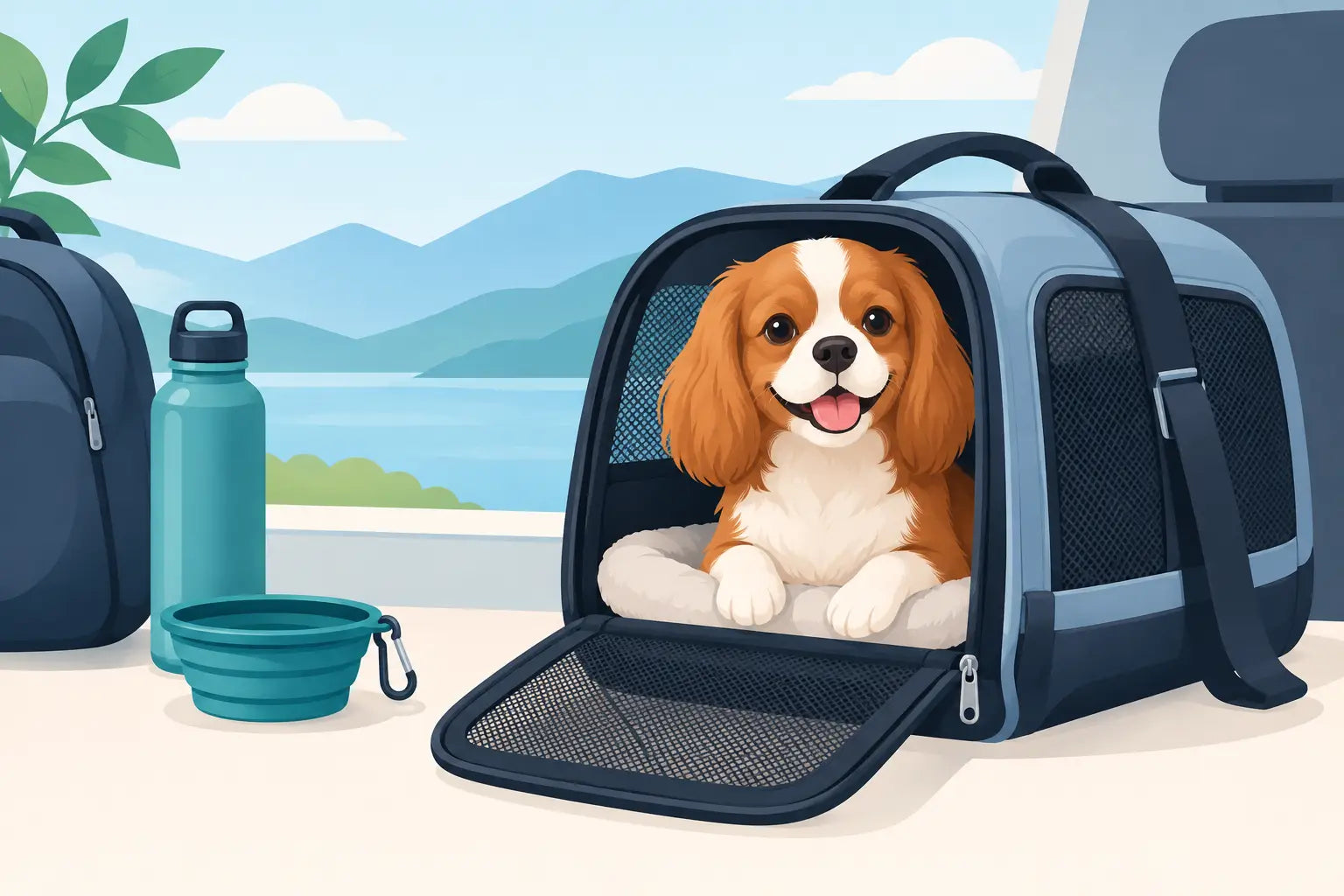
A dog carrier should make getting out of the house feel easier, not turn a quick errand into a juggling act. In this dog carrier review, we’re looking beyond cute colors and clever pockets to focus on what your pup really needs: enough room to settle in, reliable security, airflow, and comfort from the driveway to the destination.
For small dogs, a carrier can be a cozy way to join family outings, visit the vet, or take a break when little legs get tired. For nervous dogs, it can offer a familiar, protected spot in a busy place. The right choice depends on your dog’s size, personality, and the way your family plans to use it.
Dog Carrier Review: What Makes One Worth Buying?
A good carrier balances your convenience with your dog’s well-being. It should be easy for you to carry, but it also needs to feel stable and roomy enough for your pet. A carrier that looks perfect in a product photo can still be a poor match if the base sags, the opening is too narrow, or the sides trap too much heat.
Start with the basics. Your dog should be able to stand up, turn around, and lie down naturally inside. They do not need a huge amount of extra space, especially in a travel carrier, but they should never look folded, cramped, or unable to shift position. Measure your dog from the floor to the top of the shoulders, then from the chest to the base of the tail. Compare those measurements with the carrier’s interior dimensions, not only its exterior size.
Weight limits matter too. A carrier may physically fit your dog but become uncomfortable to carry if the straps, handles, or bottom are not made for their weight. When you are close to the maximum listed capacity, choose a design with a reinforced base and sturdy handle attachments.
Comfort begins at the bottom
The base is one of the most overlooked details. A soft-sided carrier needs a supportive bottom panel so your dog is not sinking or sliding with every step. Look for a removable pad, washable liner, or room to add a thin familiar blanket. This little layer can make a new carrier feel much less strange.
Padding should be comfortable without being overly bulky. Thick, plush interiors are lovely for a short walk on a chilly day, but they can hold warmth during longer rides. A removable cushion gives you more flexibility across seasons and makes cleanup simpler after muddy paws, shedding, or an unexpected mess.
Ventilation is not optional
Mesh panels help air move through the carrier and allow your dog to see what is happening around them. That visibility reassures some pets, while others relax better with a more covered design. If your dog gets overstimulated by crowds or traffic, a carrier with a privacy flap over a mesh window can be especially useful.
For warm weather, prioritize breathable sides and multiple ventilation panels. Never leave a dog in a carrier inside a parked car, even for a few minutes. A comfortable carrier supports travel, but it does not make heat safe.
Soft, Structured, or Wearable: Which Style Fits Your Life?
There is no single best dog carrier for every household. The best one is the carrier you can use safely and consistently, whether you are heading to a grooming appointment, walking through an airport, or taking your pup to a pet-friendly patio.
Soft-sided carriers are a favorite for everyday use because they are lightweight, cozy, and often easier to store. Many have mesh sides, zippered openings, and shoulder straps. They work well for calm small dogs who enjoy curling up and for families who need something simple for car rides and appointments. Their trade-off is less protection from bumps and less structure for dogs who like to push against the sides.
Structured carriers have firmer walls and a solid shape. They can feel more secure for wiggly pups and are often easier to wipe clean. This style may be a better choice when your dog needs a sturdier travel space, although it can be heavier and more awkward to store between trips.
Backpack carriers leave your hands free, which is helpful on walks, crowded sidewalks, and outings where you are carrying other essentials. A backpack should sit close to your body with padded, adjustable straps. It should also have a flat, supported base. A dog who shifts from side to side can throw off your balance, so this style is best for dogs who are comfortable being carried and fit well within the listed size range.
Sling carriers create a snuggly, close-to-you feel that many tiny dogs enjoy. They are great for very short outings, but they are not the best pick for every dog. An energetic pup can climb, wriggle, or become too warm against your body. Choose a sling with a secure interior attachment and use it only under close supervision.
Safety Details That Deserve a Closer Look
A zipper is only useful if your dog cannot nudge it open. Check for secure closures, smooth zipper tracks, and an interior safety clip that attaches to a harness. The clip is a backup, not a reason to leave your dog unattended, but it can prevent a sudden leap when a door opens or something exciting catches their attention.
Attach the clip to a harness rather than a collar whenever possible. A startled dog can strain their neck if they hit the end of a collar attachment. Make sure the tether is short enough to prevent escape but long enough for your pup to sit and reposition comfortably.
Stability matters just as much as closures. Set the carrier on the floor before your first outing and watch how it holds its shape. Does it tip when your dog steps toward one side? Does the bottom stay level? A carrier that feels secure at home is more likely to feel reassuring in the real world.
It also helps to think about where the carrier will go. For car rides, place it where it can remain stable and follow your vehicle’s safety guidance. For public outings, choose a style that is easy to keep close to your body and out of foot traffic. A carrier is not a substitute for a crash-tested car restraint, so consider the purpose before assuming one bag will handle every type of trip.
Help Your Dog Love the Carrier Before Travel Day
Even the coziest carrier can be intimidating when it appears only before a vet visit. Introduce it at home on an ordinary, low-pressure day. Leave it open on the floor with the familiar pad inside. Drop in a favorite toy or a few treats, and let your dog investigate at their own pace.
Once they are comfortable stepping inside, practice closing the door for a few seconds while you stay nearby. Gradually build up to lifting the carrier, walking around the room, and taking a short car ride. Keep your voice calm and reward relaxed behavior. The goal is not to rush your dog into liking it. The goal is to show them that the carrier can mean comfort, treats, and time with their favorite people.
If your pup pants heavily, scratches frantically, drools, or tries to escape, slow down. Some dogs need more time, while others may be telling you that the carrier is too small, too warm, or not the right style for them. A little patience now can make future travel far more pleasant for everyone.
Small Extras That Make Outings Easier
Pockets are useful for holding waste bags, treats, vaccination paperwork, or a collapsible water bowl, but they should not make the carrier bulky or unbalanced. Adjustable shoulder straps, padded handles, washable materials, and easy-access openings are often more valuable than flashy extras.
For a puppy, choose a carrier with room to grow only if it still supports their body securely right now. For a senior dog, low-entry access and a firmer base can reduce strain. And for families with more than one pet, remember that each dog needs their own comfortable space. Sharing a carrier may look sweet, but it can quickly become stressful, especially during travel.
At My Pet Your Pet Our Pet, we believe everyday adventures should include the comfort and care your dog deserves. Choose a carrier that fits your pup today, take a few practice trips, and soon that familiar little space can become their happy seat for wherever life takes you next.

