

Cart
0
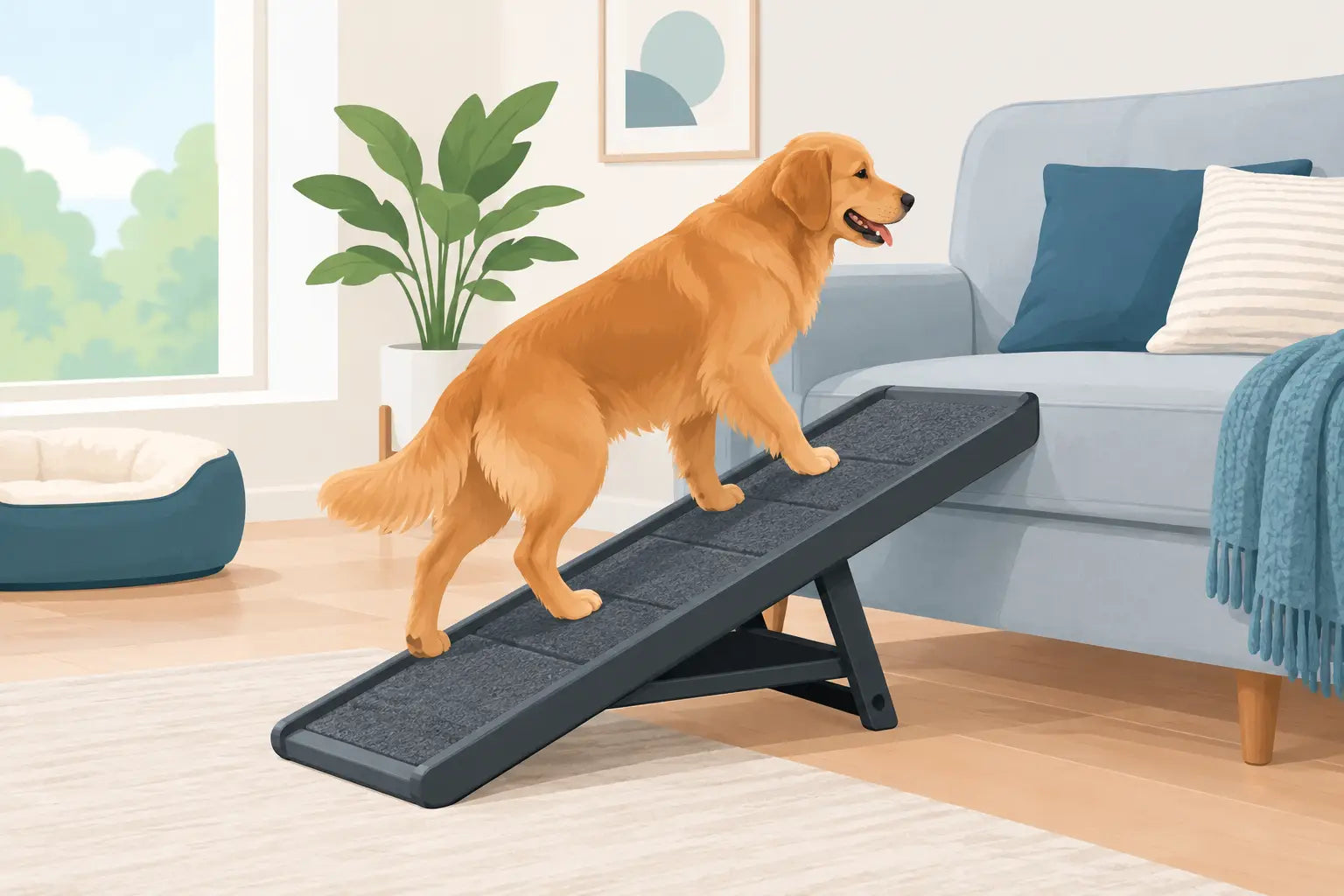
That leap onto the couch may look adorable, until your pet hesitates, slips on the landing, or decides the floor is the only safe place to rest. Pet ramps give cats and dogs a kinder route to the places they love most, from a sunny windowsill to your bed, sofa, or car. For older pets, small breeds, and four-legged friends recovering from an injury, the right ramp can make everyday routines feel much more comfortable.
Why Pet Ramps Can Be a Loving Everyday Upgrade
Jumping is part of life for many healthy pets, but it is not always easy on their bodies. Repeatedly hopping on and off high furniture can put extra strain on joints, hips, knees, and backs. This can be especially challenging for senior dogs, pets with arthritis, short-legged breeds, and cats that are starting to move a little more carefully.
A ramp is not only for pets with mobility concerns. It can be a thoughtful preventive choice for a tiny dog facing a tall bed, a puppy still learning safe habits, or a cat that wants access to a favorite perch without making a dramatic jump. It also helps pet parents who are tired of lifting their companion up and down throughout the day.
The best part is that a ramp supports independence. Your pet can stay close during movie night, curl up in their favorite sleeping spot, or get into the car for an adventure without needing to wait for help. Those small moments matter when home is truly theirs, mine, and ours.
Which Pets Benefit Most From a Ramp?
Pet ramps are useful for a wide range of cats and dogs, but the ideal design depends on your pet's size, confidence, and daily habits. A petite Chihuahua may need a gentle path to a sofa that a larger Labrador can reach with ease. A confident adult cat may take to a ramp quickly, while a cautious senior cat may need a wider surface and extra time to adjust.
Consider a ramp if your pet is getting older, has been advised to limit jumping, struggles to climb into the car, or has started pausing before furniture they once reached easily. Watch for subtle changes, too. A pet that asks to be picked up more often, lands stiffly, avoids stairs, or chooses a floor bed over their usual spot may appreciate easier access.
A ramp does not replace veterinary care when your pet seems sore, weak, or suddenly reluctant to move. New mobility changes deserve a conversation with your veterinarian. Once you understand what your pet needs, a ramp can become a comforting part of the plan at home.
Choosing Pet Ramps for Your Space
The right ramp should fit your pet and your home, not just look good in a product photo. Start with where it will be used. A bedside ramp needs to match the height of your mattress, while a car ramp needs enough length to create a manageable climb from the ground to the vehicle.
Length and slope matter more than you think
A longer ramp creates a gentler incline, which is usually easier for small, senior, or mobility-limited pets. A short ramp may save floor space, but it can feel steep and intimidating. If your pet needs the ramp for regular use, favor comfort over the smallest footprint whenever your room allows it.
Measure from the floor to the surface your pet needs to reach. Then consider how much open space you have in front of that spot. The ramp should sit securely without blocking a major walkway or becoming something people need to step over every day.
Pick a surface with dependable grip
A smooth surface can make even a well-sized ramp feel unsafe. Look for a textured walking area, carpet-like covering, or another non-slip finish that gives paws something to hold onto. This detail is especially important for pets with long nails, furry feet, or less steady balance.
Width is important, too. Your pet should have enough room to walk naturally without balancing at the edge. Cats may prefer a ramp that feels stable and roomy, while a larger dog needs a surface that supports their full body comfortably. Always check the stated weight capacity and choose a model that suits your pet now, with a little extra room for confidence.
Think about storage and everyday style
Some homes need a ramp that stays beside the bed all the time. Others may benefit from a folding or lightweight option that can be tucked away after car rides, travel, or visits. A fixed ramp can feel more stable for a pet who uses it daily, while a portable style offers flexibility for busy families.
Color and material matter in a practical way, too. A neutral ramp can blend into a bedroom or living room, while an easy-to-clean surface is helpful for muddy paws and shedding season. Choose the version that you will be happy to keep out, because consistency helps pets learn faster.
Helping Your Pet Feel Confident Using a Ramp
Even the most comfortable ramp can seem strange at first. Your pet may need a little encouragement before deciding it is a safe route. Start by placing the ramp on a flat surface and letting them sniff, inspect, and walk near it with no pressure.
Next, use a favorite treat, toy, or warm praise to reward small steps onto the ramp. Keep early practice sessions short and cheerful. If your pet only puts two paws on the surface, that is still progress. Avoid pulling them up the ramp or rushing them toward a high destination, since one scary experience can make them more wary.
When they are ready, set the ramp in its permanent place and reward them for walking up and down at their own pace. For a couch or bed ramp, place a familiar blanket or favorite toy at the top. For a vehicle ramp, practice while the car is parked in a quiet, low-distraction area.
Some pets learn in a day. Others need a week or more. It depends on their personality, past experiences, and comfort level. Gentle repetition works better than pressure, and every successful trip is worth celebrating.
Set Up a Safer Route at Home and Away
A ramp should feel secure before your pet takes the first step. Place it on a level surface and check that both the top and bottom are firmly positioned. If it shifts when you press on it, adjust the placement before inviting your pet to use it.
Keep the landing area clear of shoes, cords, toys, and slippery rugs. For ramps leading to furniture, make sure your pet has enough room at the top to step off safely rather than squeezing between pillows or objects. Check the ramp regularly for loose fabric, worn grips, cracks, or hardware that needs tightening.
For car ramps, never use one near traffic or on uneven ground without taking extra care. Stay close during loading and unloading, especially while your pet is still learning. A ramp supports independence, but supervision is still a loving part of safe travel.
When Steps May Be the Better Choice
Ramps are not the perfect fit for every situation. If your room is tight, a set of wide, sturdy pet steps may take up less floor length while still reducing the height of each climb. Some confident pets also prefer steps because the movement feels more familiar.
For pets with significant balance issues or a strong fear of slopes, talk with your veterinarian about the safest option. The goal is not simply to buy an accessory. It is to make movement feel easier, safer, and more enjoyable for the pet you love.
A well-chosen ramp can turn a once-difficult jump into an easy, tail-wagging routine. Give your companion a little extra support, a little more freedom, and more chances to be right where the family is. At My Pet Your Pet Our Pet, that kind of everyday comfort is always worth making room for.

