

Cart
0
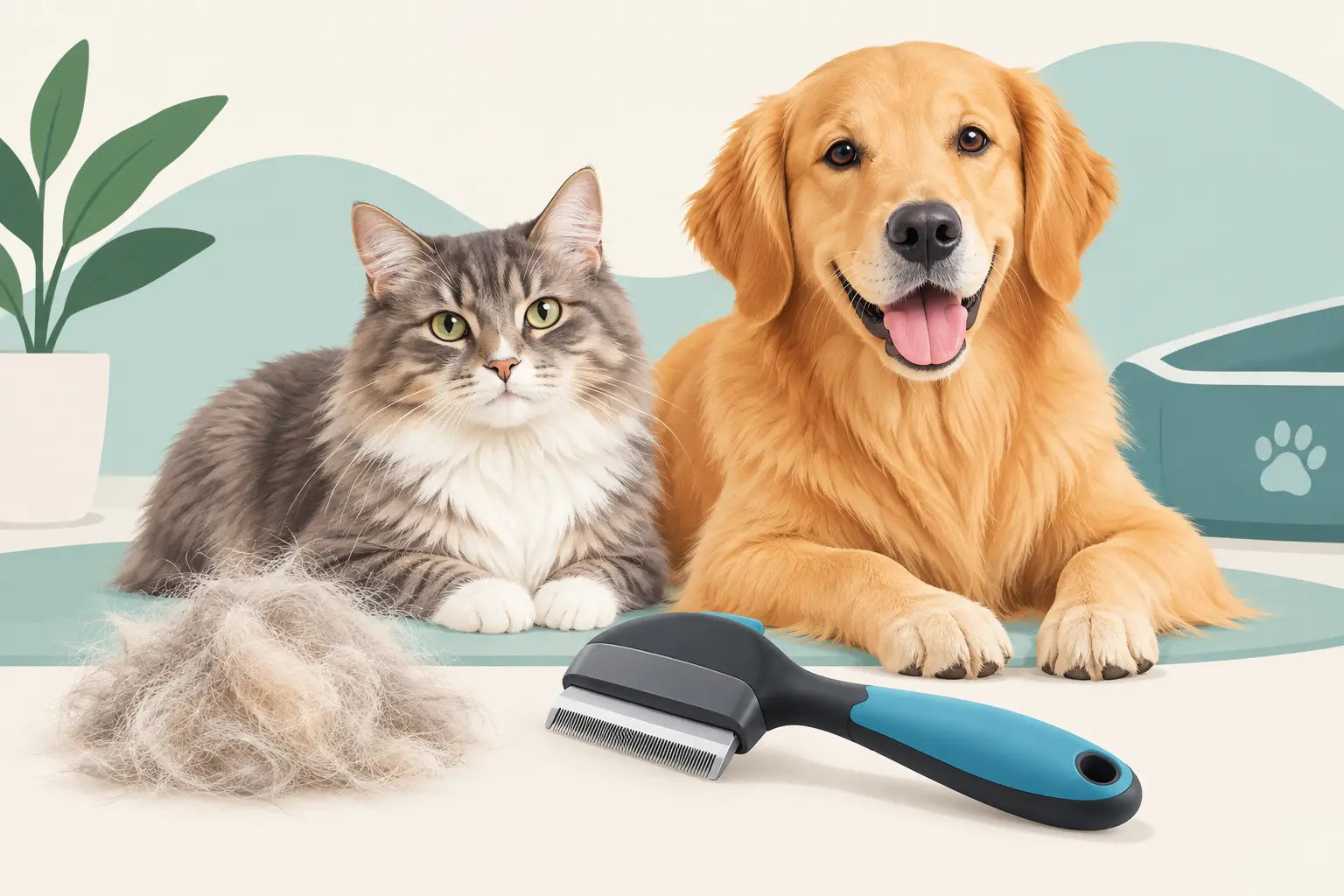
A favorite sweater covered in fur, tumbleweeds under the sofa, and a pet who suddenly has no patience for grooming: that is the real-life test behind any deshedding brush review. A good brush should help lift loose hair before it lands around your home, while still making your cat or dog feel comfortable, cared for, and ready for a little extra attention.
The catch is that “deshedding” is not one-size-fits-all. A brush that works beautifully on a thick-coated dog can tug a short-haired cat’s sensitive skin. The best choice depends on your pet’s coat, size, tolerance for brushing, and how much shedding you are really dealing with. For every pet, with love, that fit matters more than a flashy promise on the package.
What a Deshedding Brush Should Actually Do
A deshedding brush is designed to catch loose undercoat and shed hair that is already on its way out. It is not meant to pull healthy fur, scrape the skin, or force its way through mats. When it is the right tool and used gently, it can reduce the hair that ends up on furniture, bedding, clothes, and car seats.
Most effective options use closely spaced teeth, flexible pins, or a grooming edge that reaches beyond the top layer of fur. The goal is to collect loose hair without taking off more coat than necessary. You should see hair in the brush after a few passes, but your pet should not flinch, scoot away, or show red skin afterward.
This is where many pet owners get disappointed. A deshedding brush can make routine cleanup much easier, but it will not stop a healthy pet from shedding altogether. Seasonal shedding, indoor heating, coat changes, and breed traits all play a part. Think of it as a practical grooming essential, not a miracle cure for pet hair.
Deshedding Brush Review: What Makes One Worth Buying
The best brushes earn their place in the grooming drawer through comfort and control. A handle with a secure, easy-to-grip shape helps you use light pressure instead of pressing hard. That may sound like a small detail, but it makes a real difference when you are brushing a wiggly puppy, a large dog with a dense coat, or a cat who believes grooming should happen only on their terms.
The brush head matters just as much. Rounded tooth tips are generally friendlier for regular use because they glide through loose fur with less poking. A curved head can follow the shape of your pet’s body more naturally than a flat, stiff edge. For pets with thick double coats, a sturdy undercoat tool can be helpful, but only when the teeth are sized for that coat and the tool is used sparingly.
Easy cleanup is another feature that earns high marks. Some brushes release collected fur with a button, while others need to be pulled clean by hand. A release button is convenient during a heavy-shed session, especially for dogs that seem to produce an entire second dog’s worth of fur. Still, simple designs can work just as well if the teeth are smooth, durable, and easy to wipe down.
What does not impress us? Sharp-feeling teeth, handles that slip, and tools that claim to suit every coat type with no exceptions. A brush that leaves your pet uncomfortable is not a bargain, even if it removes a dramatic amount of fur in one pass. Gentle, repeatable grooming is the better value for both your pet and your home.
The trade-off between power and gentleness
More aggressive deshedding tools can collect a lot of fur quickly, particularly on huskies, German shepherds, golden retrievers, and other double-coated dogs. But that power comes with responsibility. Overusing a deep undercoat tool may thin the coat too much or irritate the skin, especially during non-shedding periods.
Gentler pin brushes, rubber curry brushes, and soft grooming gloves may collect less fur per stroke, but they are often better for frequent touch-ups and pets who are nervous about grooming. A short-haired dog may do wonderfully with a rubber brush. A long-haired cat may need a combination of a wide-tooth comb for tangles and a gentler deshedding tool for loose undercoat. It depends on the coat in front of you.
Choose the Brush for Your Pet’s Coat
For short, smooth coats, look for soft rubber nubs, a grooming glove, or short rounded pins. These tools lift loose hair and distribute natural oils without being overly intense. They are especially useful for pets who enjoy a massage-like brushing session but dislike metal teeth.
For medium coats, a pin brush or a brush with rounded metal teeth can be a dependable everyday option. It reaches through the surface fur while staying manageable for regular use. If shedding is heavy, you may add a deshedding tool once a week, but avoid treating every grooming session like a major coat-removal project.
Long-haired pets need patience more than force. Start by checking behind the ears, under the collar, around the legs, and beneath the belly, where tangles tend to form. If you meet resistance, stop and work through the area with a suitable comb rather than dragging a deshedding brush through it. Brushes remove loose fur; they are not a shortcut for painful mats.
Double-coated breeds often benefit the most from a well-chosen deshedding brush during seasonal coat blows. Use slow, short strokes in the direction the fur grows, working one area at a time. Their fluffy coats can hold a surprising amount of loose undercoat, so several calm sessions are kinder and more effective than one long, exhausting grooming marathon.
Cats deserve their own approach. Many cats have delicate skin and little patience for extended handling. Choose a smaller brush head, use very light pressure, and keep sessions brief. A few strokes along the back and sides can be plenty at first. If your cat walks away, let them. Building trust will get you further than trying to finish the whole coat in one sitting.
How to Use a Deshedding Brush Without Overdoing It
Start with a clean, dry coat and a relaxed pet. A post-walk dog or a cat enjoying a sunny nap may be more receptive than a pet who is ready to play. Let your pet sniff the brush, offer praise, and begin in an easy area such as the shoulders or back.
Brush in the direction of hair growth with light, even strokes. Check the brush frequently and remove collected fur so it can keep working. On dense coats, part the fur with your free hand and groom in small sections rather than repeatedly brushing only the top layer.
Pay close attention to your pet’s signals. Tail tucking, flattened ears, licking, turning to mouth the brush, growling, or trying to leave all mean it is time to pause. Also stop if you see redness, dandruff, broken hairs, or bare-looking areas. Grooming should support your pet’s comfort, not become something they dread.
For most pets, one or two short sessions a week are enough. During peak shedding season, you may brush more often with a gentle tool. A powerful undercoat rake or blade usually needs less frequent use. When in doubt, do less and watch how your pet’s coat and skin respond.
When a Brush Is Not the Answer
A deshedding brush is great for normal loose fur, but it cannot solve every coat or skin concern. Persistent itching, greasy fur, bald spots, sores, a sudden increase in shedding, or a strong odor deserve a conversation with your veterinarian. These changes can point to allergies, parasites, stress, nutrition concerns, or other issues that grooming alone cannot fix.
Severe mats are another reason to slow down. Trying to brush out tight mats can hurt and may damage the skin underneath. A professional groomer or veterinarian can help determine the safest next step. Your pet’s comfort always comes before saving a few inches of tangled fur.
A thoughtfully chosen deshedding brush turns a messy chore into a small act of everyday care. Pick the gentlest tool that suits your pet’s coat, keep the sessions positive, and celebrate the little win of more fur in the brush and less on the couch.

