

Cart
0
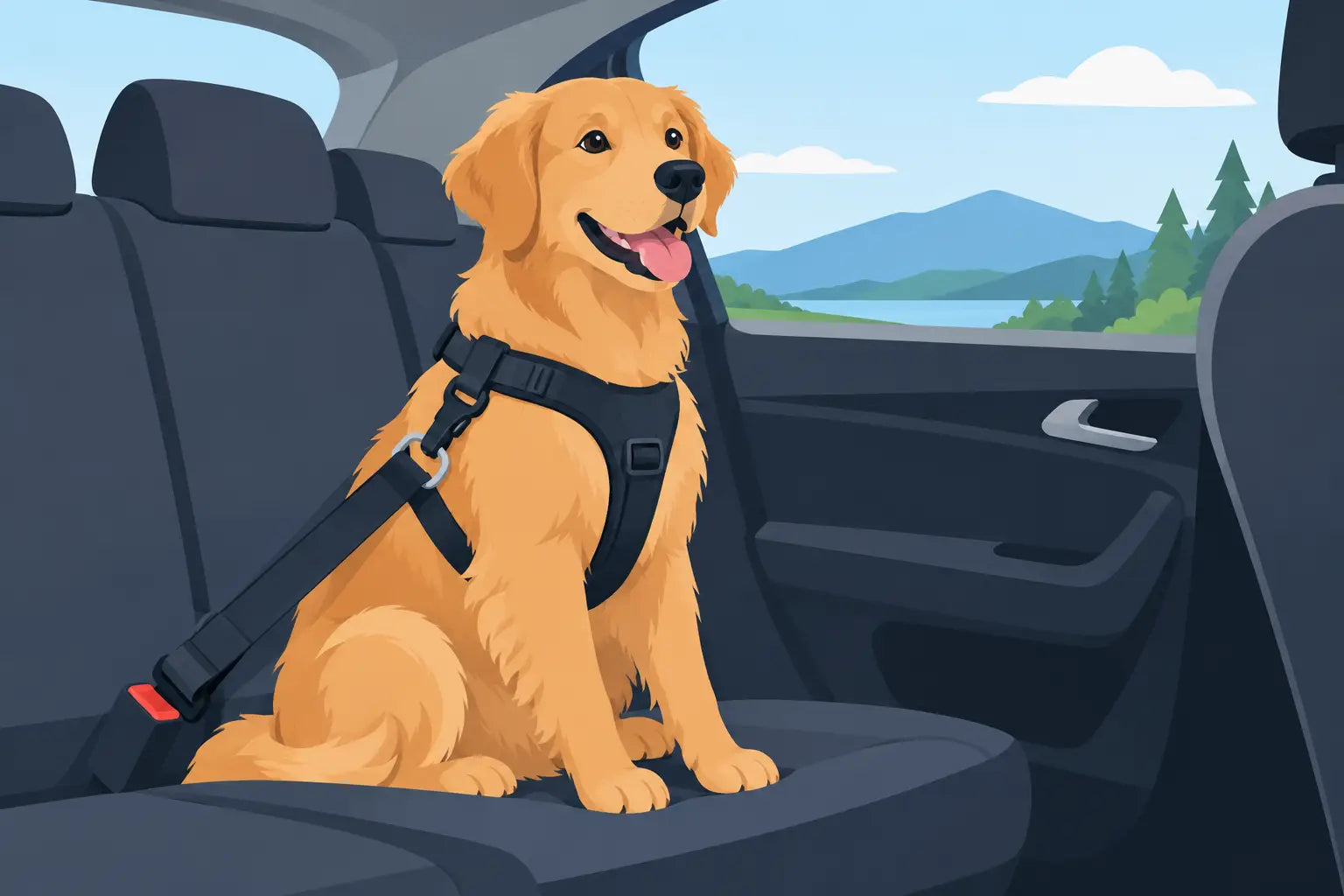
The sound of keys can send a dog racing to the door, tail wagging and ready for an adventure. Before you pull out of the driveway, though, take a moment for dog seat belt safety. A loose dog can be distracted by a squirrel, slide from the seat during a quick stop, or move into the driver’s space at exactly the wrong moment. A proper restraint helps make car rides calmer for everyone - especially the four-legged family member you love.
Why dog seat belt safety belongs in every car ride
Many dogs enjoy a ride to the park, groomer, vet, or family gathering. But excitement is not the same as security. Even a gentle stop can send an unrestrained pet forward, and a sudden turn can leave them scrambling for balance. In a more serious crash, an unrestrained dog can be badly hurt and can also become a danger to people in the vehicle.
A dog seat belt is not about taking the fun out of the ride. It is about giving your pup a defined, comfortable place to settle. When dogs know where to sit or lie down, there is less pacing, climbing, and trying to visit the front seat. That means fewer distractions for the driver and a more peaceful trip for the whole crew.
There is no single setup that suits every dog or every vehicle. Your dog’s size, personality, health, and travel habits all matter. A tiny senior dog may do best in a secured carrier, while a larger dog may be more comfortable in a crash-tested harness connected to the vehicle’s seat belt system.
Choose a restraint made for travel
The most common car safety mistake is clipping a regular walking collar to a seat belt tether. Collars are great for ID tags and neighborhood walks, but they can put pressure on a dog’s neck if the car stops suddenly. For travel, choose a car harness designed to spread force across the chest and body.
Look for a harness with wide, padded straps and sturdy hardware. It should be labeled for vehicle use, not simply sold as a fashion harness or everyday walking accessory. If crash testing information is available from the manufacturer, read it closely. Testing standards and claims can vary, so consider the details rather than assuming every product marketed for cars offers the same level of protection.
A seat belt tether should attach securely to the harness and to the car’s seat belt buckle or another designated anchor point. Avoid using a tether that is so long your dog can reach the front seat, fall into the footwell, or become tangled. A little room to sit, stand, turn around, and lie down is usually enough.
For some dogs, a secured travel crate or carrier is the better choice. This can work especially well for small dogs, puppies, dogs who get carsick, and pups who feel overwhelmed by an open back seat. The carrier itself must be appropriately sized and firmly secured. A carrier that slides across the seat does not provide the stability your pet needs.
Consider your dog’s travel style
An active young dog may need a gradual introduction to the harness before a long drive. A nervous rescue dog may feel safer in a covered carrier with a familiar blanket. Dogs with mobility concerns may need a low-entry setup that does not require jumping onto a high seat. Comfort is part of safety because a dog that is panicking, chewing straps, or constantly trying to escape is not properly settled.
Get the fit right before the engine starts
The best restraint cannot do its job if it is loose, twisted, or connected incorrectly. Start by fitting the harness at home, when there is no destination excitement and no running car. Your dog should be able to breathe, sit, and lie down naturally. You should generally be able to slide two fingers under the straps, but not have enough extra room for the harness to rotate or slip off.
Check the chest area, the straps behind the front legs, and every buckle. Watch for rubbing, pinching, or straps sitting too close to the throat. Thick coats can make a harness appear snug when it is not, so check the fit with your hands. Puppies, growing dogs, and dogs whose weight changes will need regular adjustments.
Once the harness is fitted, connect the tether in the parked car. Keep the first practice session short. Offer calm praise and a favorite treat, then let your dog out. Repeat a few times before taking a brief drive around the block. This slow introduction can turn the restraint from a confusing new object into a familiar part of the routine.
Set up the back seat for comfort and control
The back seat is generally the best place for a restrained dog. It keeps them away from front airbags, which can seriously injure pets when deployed. It also reduces the temptation to climb into the driver’s lap or press against the center console.
A seat cover or hammock-style barrier can help protect upholstery from fur, muddy paws, and everyday spills. More importantly, it can create a cozier space and help prevent a dog from slipping into the gap between seats. It should support your restraint plan, not replace it. A barrier alone does not secure your dog during a sudden stop.
Bring along water for longer rides, but avoid a large meal immediately before travel if your dog gets nauseated. A familiar toy or small blanket can offer reassurance, as long as it does not interfere with the harness or tether. Keep the car at a comfortable temperature, and never leave your dog alone in a parked vehicle, even for a quick errand. Temperatures can rise or fall much faster than they feel from outside.
Common mistakes that make rides less safe
It is easy to assume a calm dog does not need a restraint. But even the best-behaved pup cannot brace for another driver’s sudden move. Car safety should be based on what could happen, not only on how your dog usually behaves.
Avoid holding a small dog in your lap. It may feel comforting, but it puts both of you in a vulnerable position if you brake quickly. Do not let a dog ride in the open bed of a truck, either. Wind, road debris, heat, and the risk of a fall create serious hazards.
Also skip attaching a tether to a standard collar, using a damaged harness, or clipping into a buckle without checking that it is fully locked. Before each trip, give the hardware a quick look. Frayed webbing, cracked plastic, bent clips, and chewed straps are signs it is time to replace the item.
Make safe travel a happy habit
The goal is not to make your dog stay perfectly still. It is to give them a secure place to enjoy the ride while you focus on the road. Start with short, positive trips to fun destinations so the harness does not only predict a vet visit. Keep your voice calm, reward settled behavior, and resist the urge to unclip them before the car is fully parked.
At My Pet Your Pet Our Pet, we believe everyday care includes the moments between home and wherever life takes you. Choose gear that fits your dog, use it consistently, and let every tail-wagging ride begin with a little more care. Your best friend may not understand the seat belt, but they will understand the comfort of traveling safely beside their favorite people.

