

Cart
0
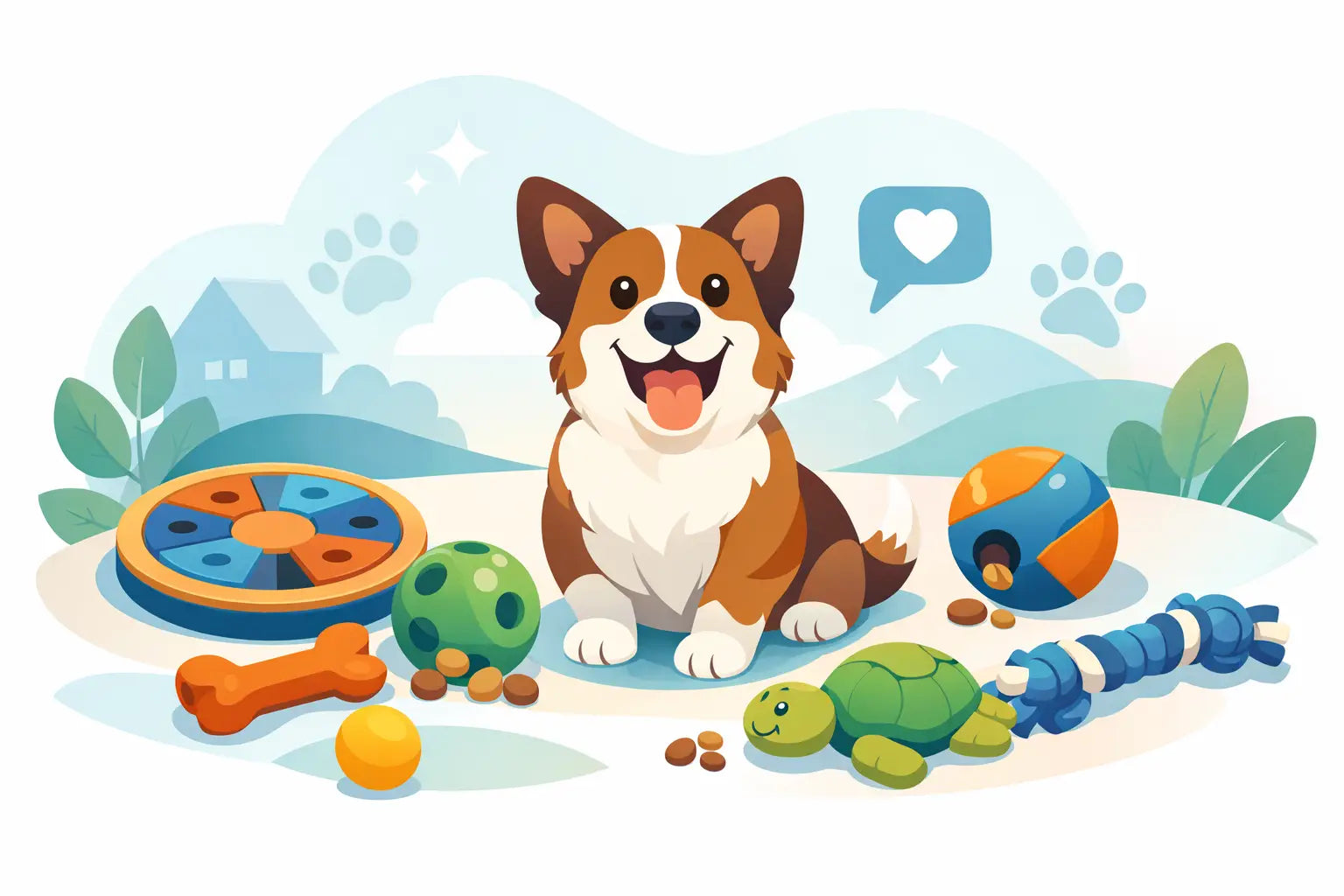
A bored dog can turn a quiet afternoon into a shredded pillow, a barking marathon, or a very determined attempt to redecorate the couch. The good news is that mental exercise can be just as satisfying as a long game of fetch. This interactive dog toys guide helps you choose playthings that give your pup a job to do, a reason to focus, and plenty of tail-wagging fun.
Interactive toys are not just for high-energy dogs. They can make rainy days easier, slow down fast eaters, build confidence in shy pups, and give busy pet parents a simple way to add more enrichment to the day. The best choice depends on your dog's size, chewing style, motivation, and current skill level.
What Makes a Dog Toy Interactive?
An interactive dog toy asks your dog to participate rather than simply chew, carry, or cuddle. It may hide treats, wobble unpredictably, squeak when pressed, roll across the floor, or require your dog to move pieces to find a reward. The point is not to make play complicated. It is to encourage natural behaviors like sniffing, licking, pawing, chasing, and problem-solving.
For many dogs, food is the easiest starting point. A treat-dispensing ball, a stuffed rubber toy, or a simple puzzle feeder gives them a clear reward for trying. Other dogs light up for movement, so a rolling toy or tug-style game may hold their attention longer. Your pup gets to vote with their enthusiasm.
Interactive Dog Toys Guide: Choose by Play Style
A toy that is perfect for one dog can be ignored by another. Before filling your cart, think about what your dog already loves to do.
For treat-motivated pups
Treat-dispensing toys and puzzle feeders are a natural fit for dogs who come running at the sound of a snack bag. Some toys release kibble as they roll, while others have compartments, sliding covers, or hidden pockets that reward careful sniffing and nudging.
Start easy. If the first puzzle is too tricky, your dog may lose interest or become frustrated. Use a few favorite treats or part of their regular meal, then let them see how the toy works. Once they understand the game, you can make it more challenging by using smaller treats, filling more compartments, or choosing a puzzle with extra steps.
Stuffable toys are especially useful for quiet indoor time. Fill one with kibble softened with a little water, dog-safe wet food, or a thin layer of pet-friendly spread. For a longer-lasting challenge, freeze the filled toy before offering it. Keep portions in mind, though. Treat toys are enrichment, not an excuse to accidentally double dinner.
For dogs who love to chase
Dogs with a strong chase instinct often enjoy toys that bounce, wobble, roll, or move in surprising directions. A ball with an unusual shape can create an entertaining bounce pattern, while a rolling treat toy gives chase-focused dogs a reason to keep moving.
These toys work well in an open living room, fenced yard, or hallway with clear space. Avoid using fast-moving toys near stairs, fragile furniture, or slippery floors. A little excitement is wonderful. A full-speed slide into the coffee table is less wonderful.
For clever problem-solvers
Some dogs figure out basic puzzle toys in minutes and look very proud of themselves afterward. For these confident thinkers, look for multi-step puzzles that involve flipping lids, moving sliders, lifting pieces, or choosing between several compartments.
Rotate puzzle toys instead of leaving every option out all week. Bringing back a toy after a few days can make it feel fresh again. You can also change where treats are placed so your dog cannot solve the same pattern on autopilot.
For serious chewers
Chewers need an interactive toy that can stand up to their enthusiasm. Choose durable materials designed for dogs, select an appropriate size, and avoid anything small enough to fit fully behind your dog's back teeth. A tough treat-dispensing toy can provide a safer outlet than household items that were never meant to become chew toys.
No toy is truly indestructible, especially for determined chewers. Check toys regularly for cracks, loose parts, torn fabric, or pieces that could be swallowed. If a toy is damaged, retire it and choose a fresh favorite.
For puppies and gentle seniors
Puppies are still learning how to play, while senior dogs may need activities that are easier on aging teeth and joints. Softer toys, simple treat puzzles, snuffle-style activities, and easy-to-grip options can give both groups rewarding mental exercise without asking too much of them.
For a puppy, keep sessions short and cheerful. For an older dog, choose a quiet spot and let them work at their own pace. The goal is not speed. It is that happy, focused look when they realize there is something worth finding.
How to Introduce a New Interactive Toy
The first few minutes can decide whether a new toy becomes a household favorite. Show your dog that the toy is rewarding before expecting them to solve it independently. Place a treat where it is easy to reach, or let a few pieces of kibble fall out with one gentle roll.
Stay nearby the first time, especially with food toys, toys with removable pieces, or a dog who likes to chew with full commitment. Offer calm encouragement, but do not solve every step for them. A small challenge builds confidence. Too much difficulty can turn playtime into a puzzle your dog would rather avoid.
Most dogs do best with short sessions of 10 to 20 minutes. Stop while they are still engaged, then put the toy away. This helps preserve the novelty and prevents your pup from becoming overstimulated or frustrated.
Safety and Cleaning Matter More Than the Trend
A cute toy is only a good toy if it suits your individual dog. Check the recommended size and choose larger when you are between sizes. Supervise new toys until you know how your dog uses them, particularly if they tear plush toys, swallow loose pieces, or guard treats.
Wash food toys often, especially after using moist fillings. Warm, soapy water is suitable for many toys, while others may be dishwasher-safe. Follow the care instructions for the specific material and make sure the toy is fully dry before storing it. Clean toys are more inviting for your dog and easier on your home.
Be mindful of calorie-heavy fillings, too. If an interactive toy uses treats every day, reduce your dog's meal portion slightly or use part of their regular kibble. Your dog still gets the fun of working for food, and you can support a healthy routine at the same time.
Build a Toy Rotation That Keeps Play Fresh
You do not need a mountain of toys spread across every room. A small rotation often works better. Keep a few options available, then switch them every several days based on your dog's mood and activity needs. One day may call for a frozen treat toy while you answer emails. Another may be perfect for a chase toy in the yard or a puzzle before dinner.
A balanced toy collection can include a durable chew-focused option, a treat-dispensing toy, a simple puzzle, and one toy made for shared play such as tug or fetch. This variety gives your dog different ways to engage while helping you match playtime to the moment.
At My Pet Your Pet Our Pet, we believe everyday play is one more way to say, “You belong here.” Choose toys that fit your pup, use them with a little supervision, and let those small moments of curiosity turn an ordinary day at home into their favorite part of it.

